
The Story of My Life
  • 529
  • 0
  • 37
  • Read 529
  • 0
  • Part 37
Completed, First published Mar 02, 2026

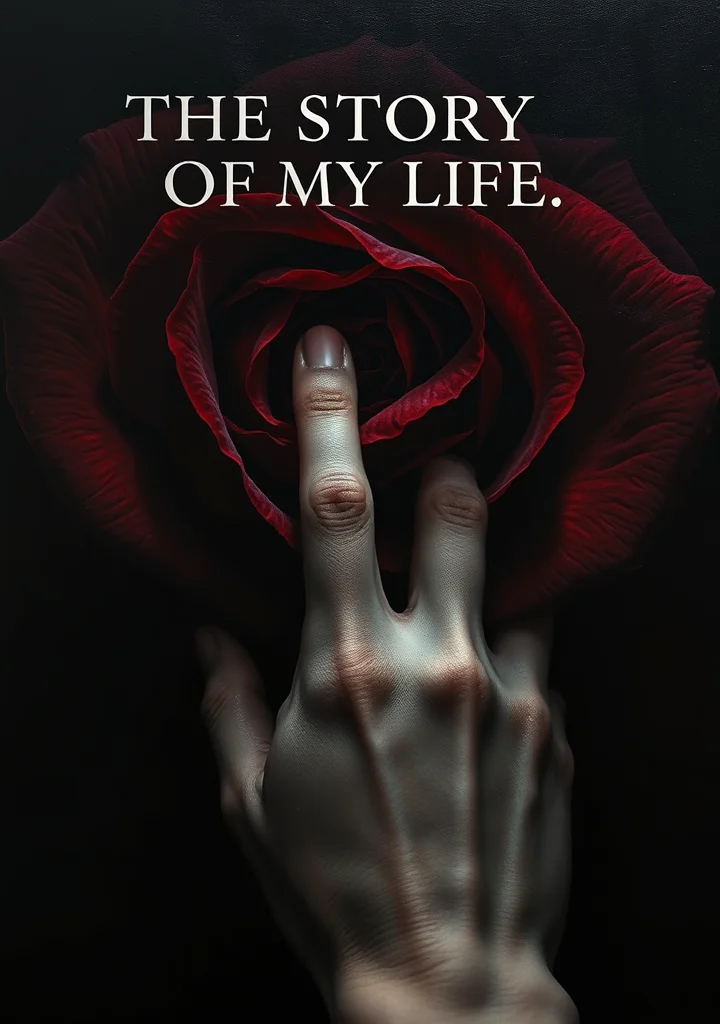
A shadowed existence unfolds within the velvet darkness, not of night, but of perpetual blindness and voicelessness. This is a tale breathed from the heart of a world understood through touch and scent, where sunlight is a remembered warmth and faces are sculpted in trembling fingers. The narrative clings to the chill of isolation, a gothic architecture of absence built from the echoing silences of a life denied its natural voice. It is a haunting of perception, where the smallest blossom felt against the palm becomes a cathedral of sensation, and the absence of sound breeds a deafening chorus of internal ghosts. A fragile, desperate flowering of spirit pushes through the suffocating vines of helplessness, revealing a soul wrestling not with demons, but with the very fabric of being – a world sensed, remembered, and ultimately, *felt* into a terrifying, beautiful existence. The narrative isn’t simply told; it’s *experienced* as a slow, creeping unraveling of light and sound, leaving only the raw, pulsing core of what it means to be human in the face of utter void. A slow-burning tragedy, not of fate, but of perception itself, steeped in the melancholic perfume of loss.
Copyright: Public Domain
This license allows anyone to use your story for any purpose, including printing, selling, or adapting it into a film freely.
Recommended for you

19 Part
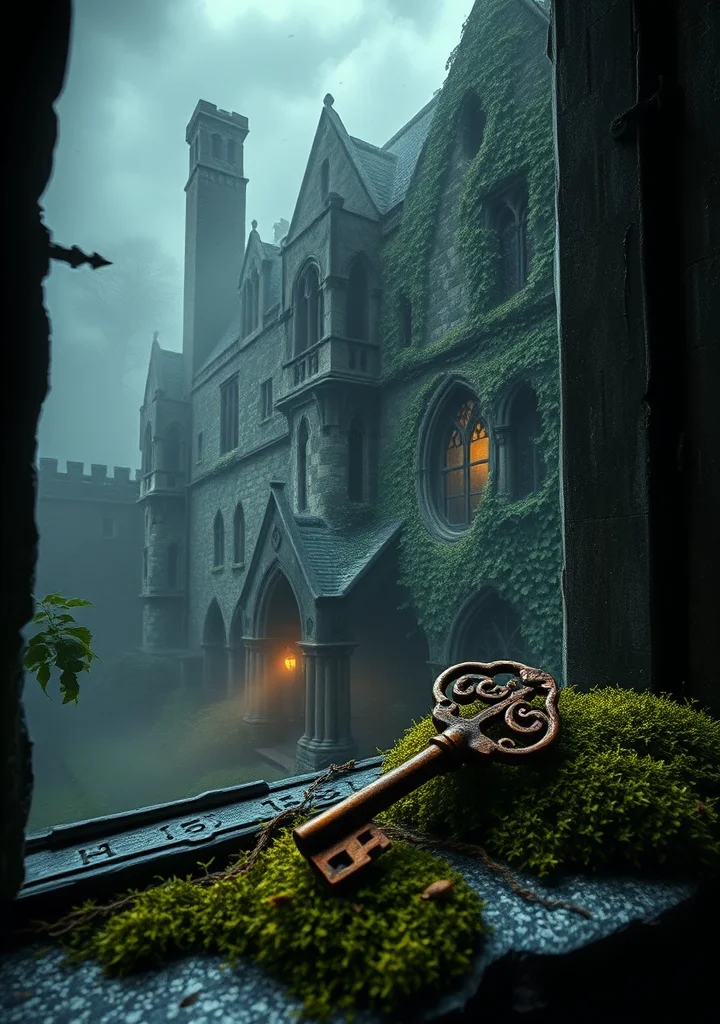
Dust motes dance in the perpetual twilight of Caradoc Hall, a crumbling Welsh manor steeped in forgotten lore. The scent of damp stone and decaying velvet clings to Elara, a woman adrift between worlds, drawn to the estate by a legacy of whispers and shadowed inheritance. Not a ghost hunt, but something colder – a pull from the very stones, a resonance with a history that refuses to stay buried. The Hall breathes with the echoes of its former mistress, a woman named Wynne, who vanished into the hills with a silver key and a secret pact with the land. Each chamber Elara explores is a tightening spiral of unease, mirroring the labyrinthine corridors of her own fractured memory. The estate’s ancient guardian, a taciturn man named Rhys, offers only glimpses of the past, his eyes holding the same grey melancholy as the rain-lashed landscape. But the key isn't merely a relic; it’s a conduit. It unlocks not doors, but seams in time, drawing Elara into a spectral existence where Wynne’s disappearance isn't a tragedy, but a deliberate surrender to something ancient and hungry beneath the hills. The air grows thick with the scent of peat and something else – something floral and cloying, like the perfume of a corpse. Shadows lengthen, not with the setting sun, but with the rising dread of a truth woven into the very foundations of Caradoc Hall. It’s a place where the veil between worlds thins to gossamer, where the living are haunted by the ghosts of those who chose to become something *other* than human, and where Elara must unravel the key’s mystery before she too is claimed by the timeless hunger of the Welsh wilderness.
143 Part
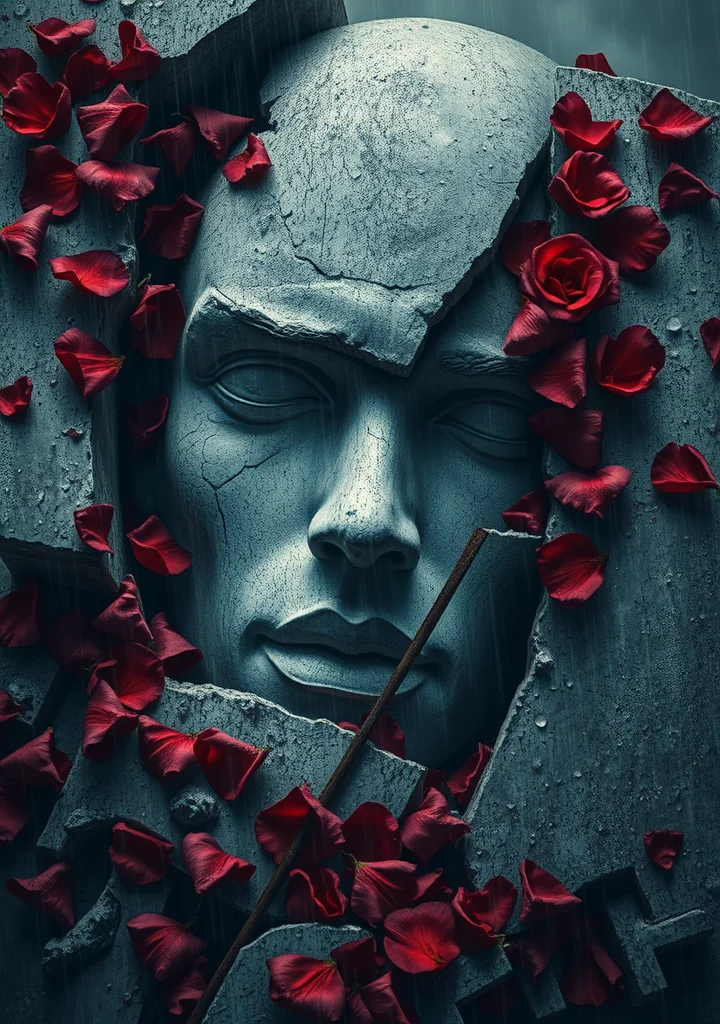
Dust motes dance in the perpetual twilight of a crumbling estate, mirroring the fractured reflections within its master’s mind. A scholar, consumed by the architecture of virtue, meticulously charts the decay of moral fiber as if mapping a labyrinthine crypt. Each carefully reasoned step through his treatise is a descent into the shadowed chambers of the self, where ambition breeds a chilling stillness and the pursuit of happiness echoes with the hollowness of forgotten prayers. The air hangs thick with the scent of aged parchment and the weight of unfulfilled potential, a suffocating perfume of what *ought* to be versus the creeping rot of what *is*. He dissects the human heart with the cold precision of a surgeon’s blade, revealing not gleaming organs but the brittle bones of regret. Every virtue, examined under the pallid light of reason, casts a long, skeletal shadow—a temptation, a weakness, a betrayal. The garden overgrown with thorny logic yields not blooms, but poisonous thorns that bind the soul to its own inevitable unraveling. A stillness permeates the halls, broken only by the scratching of a quill as he attempts to build a fortress against the encroaching darkness, only to find that the foundations of morality are built on shifting sands, haunted by the ghosts of desires left to fester in the shadows. The narrative is not a story of triumph, but of an endless, spiraling fall into the very heart of human imperfection.
31 Part
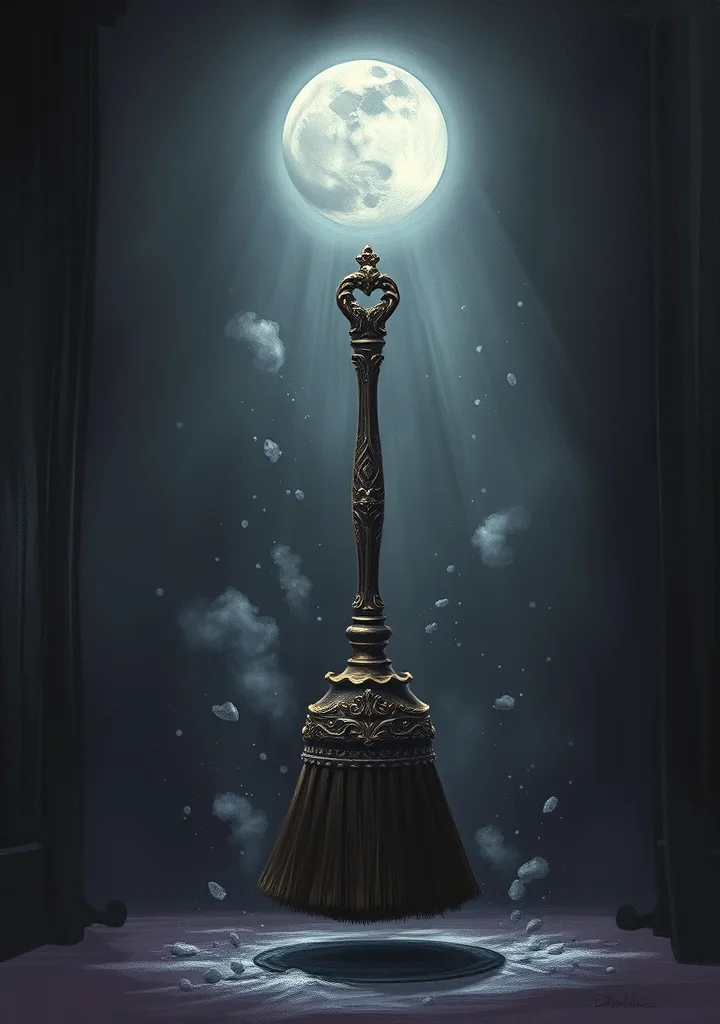
Dust motes dance in perpetual twilight within Blackwood House, a manor steeped in the scent of decay and regret. Old Silas Blackwood, a recluse haunted by spectral debts, has summoned a charwoman – Mrs. Witherly – not for cleaning, but for witnessing. For the shadows in Blackwood House possess a peculiar hunger, a craving for observation, and Mrs. Witherly is to be their silent, unwilling audience. Each scrubbed floorboard, each polished brass knocker, unveils not cleanliness, but glimpses of lives lost to the manor’s suffocating embrace. The air chills with the whispers of forgotten servants, their grievances woven into the very fabric of the walls. Mrs. Witherly’s tasks become rituals of dread, each sweep of her brush revealing fragments of past tragedies – a lover’s stolen kiss reflected in a clouded mirror, a child’s laughter echoing from empty nurseries. The house itself breathes, its timbers groaning with the weight of its secrets, pressing down on Mrs. Witherly until she’s indistinguishable from the shadows she’s meant to observe. But the true horror isn't in what she *sees*, but in what the shadows begin to *show* her – reflections of her own hidden griefs, the slow unraveling of her sanity as Blackwood House claims not just her labor, but her very soul. The charwoman’s shadow doesn’t follow *her*; it *becomes* her, a chilling testament to the manor’s power to consume all light, leaving only an echoing void where a life once was.