
-
Read 320
-
0
-
Part 19
Completed, First published Mar 02, 2026
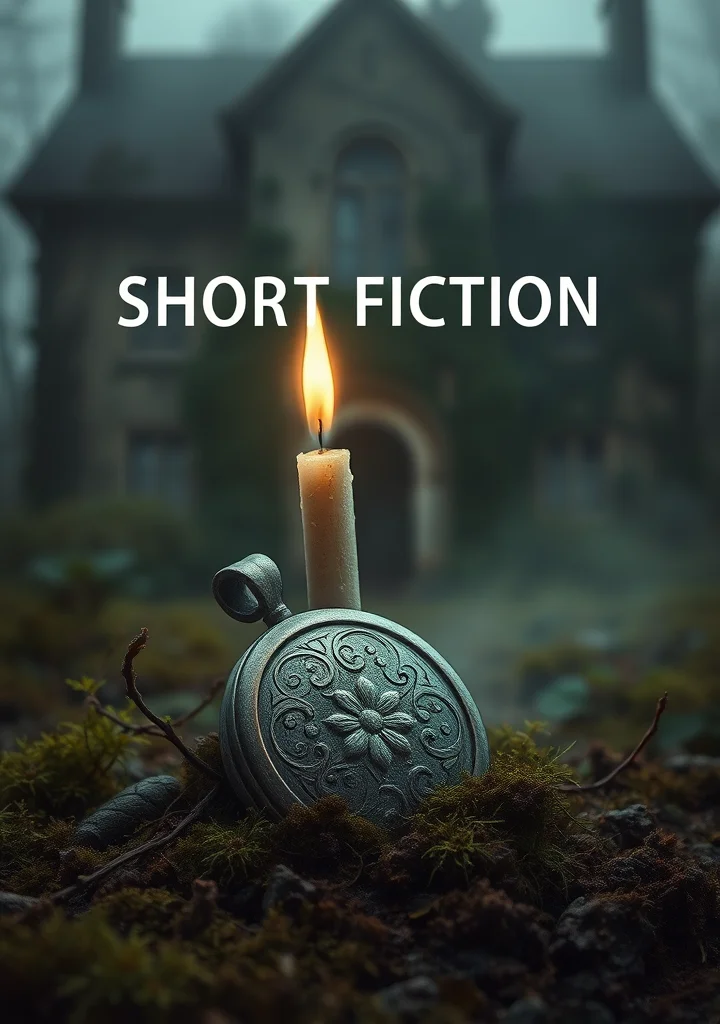
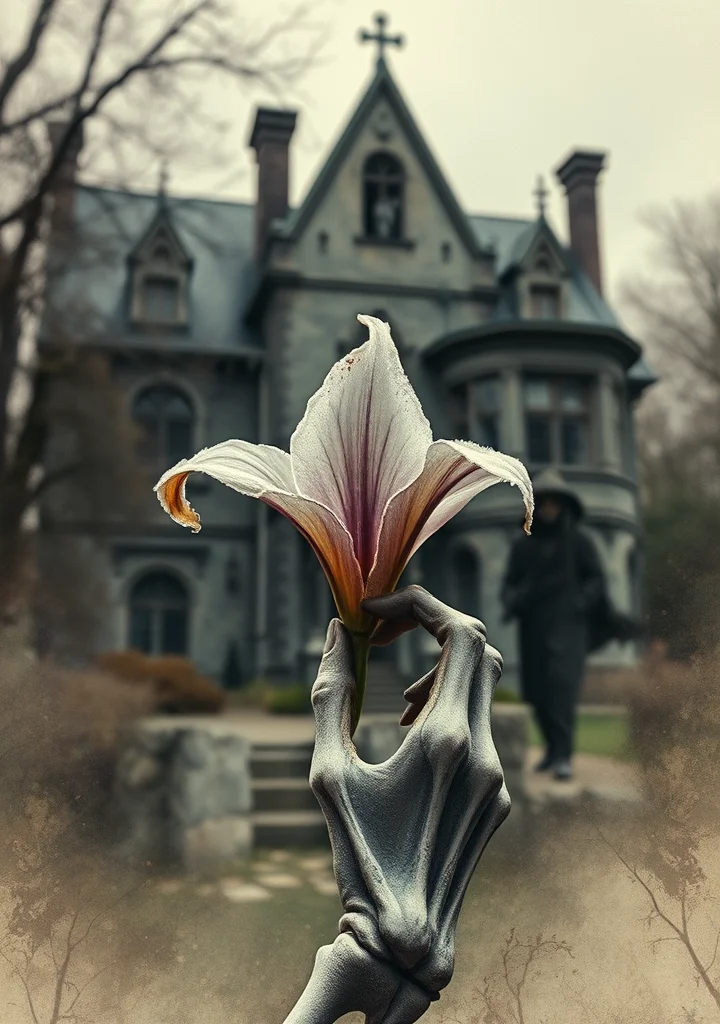
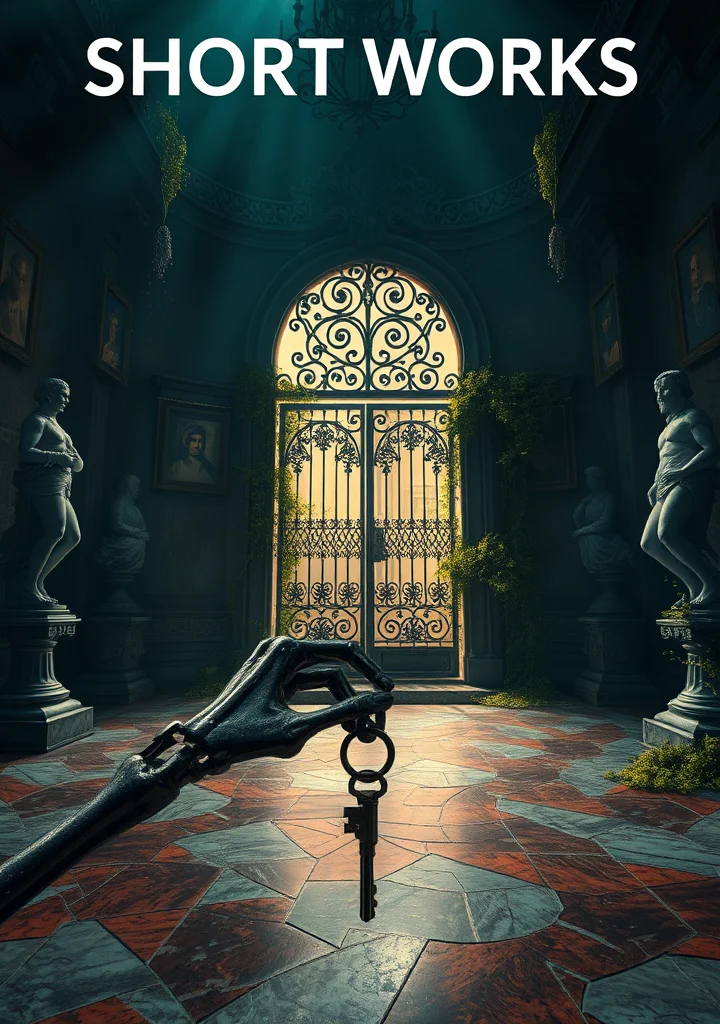
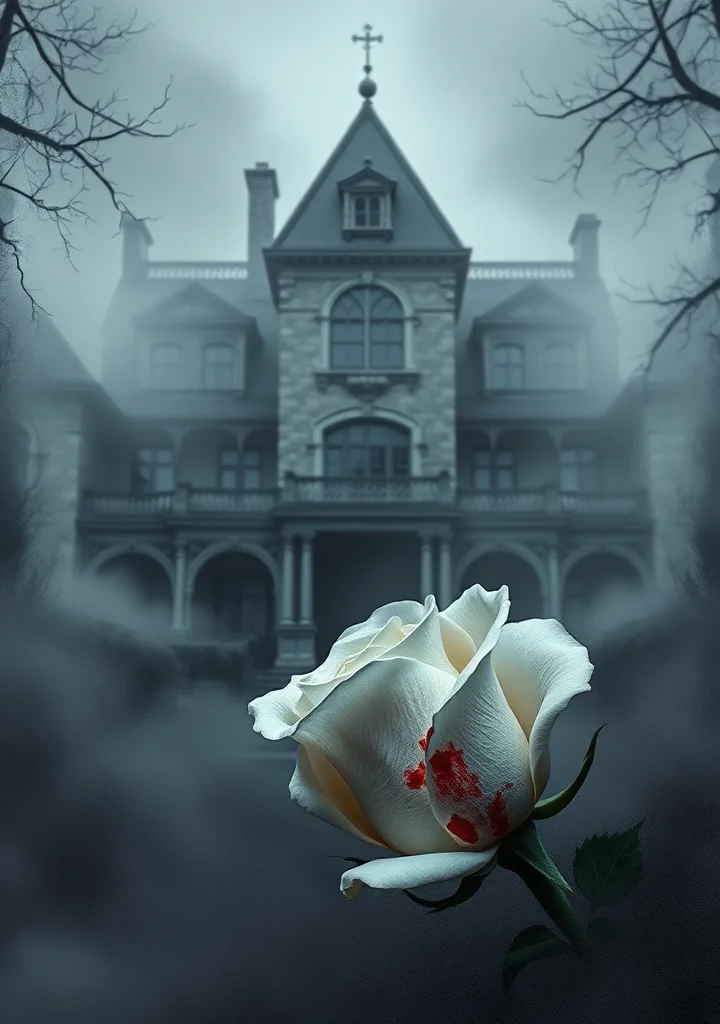
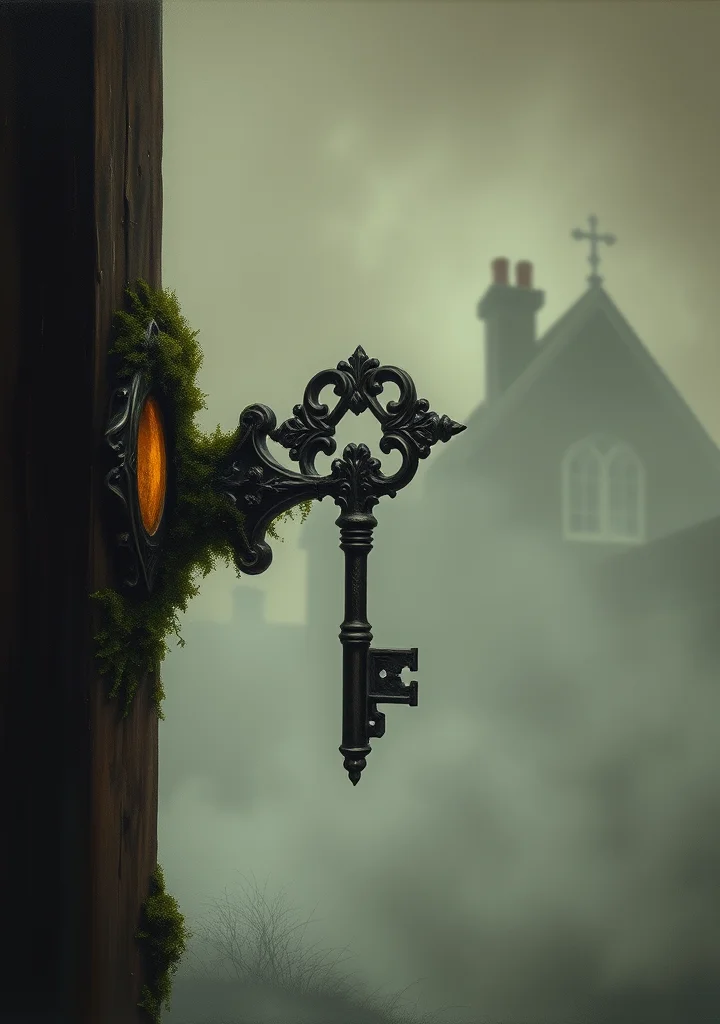
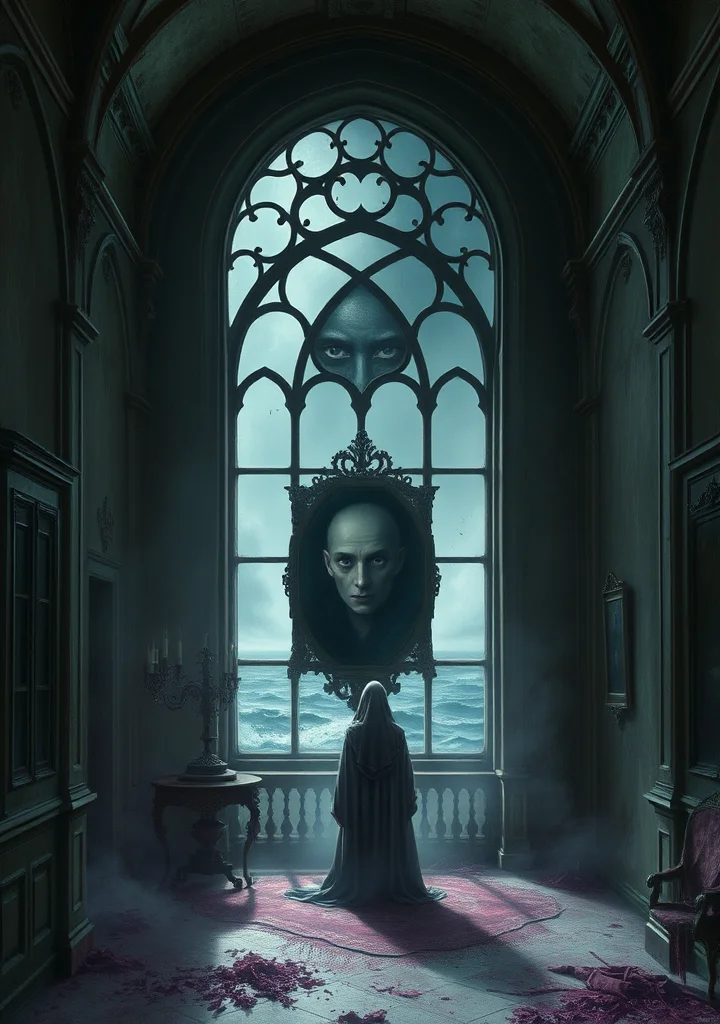
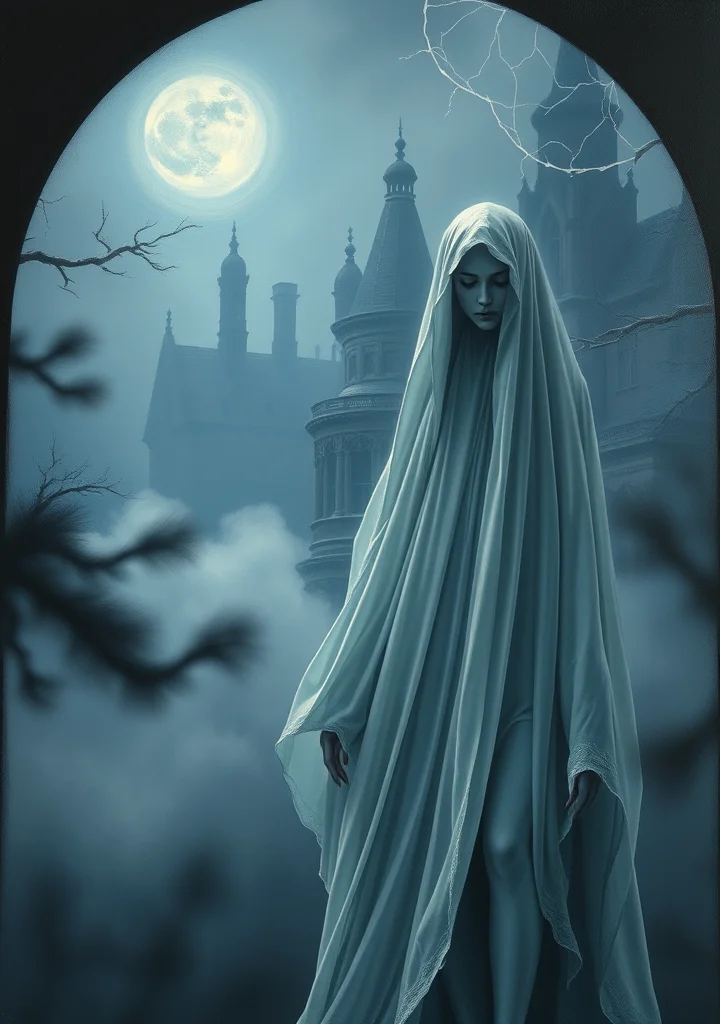
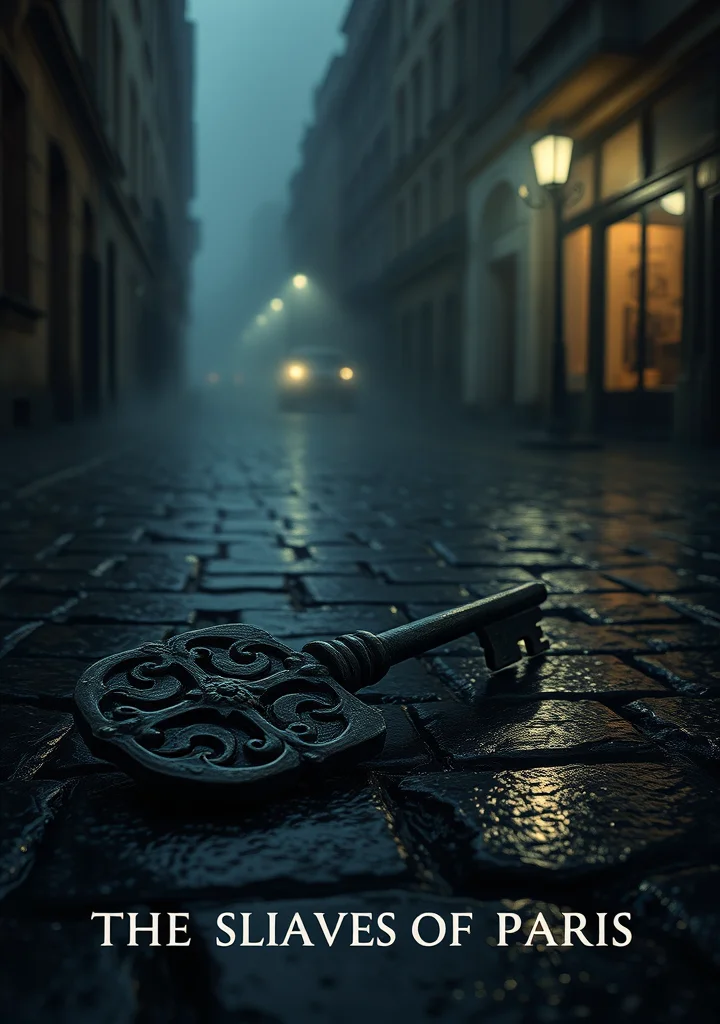
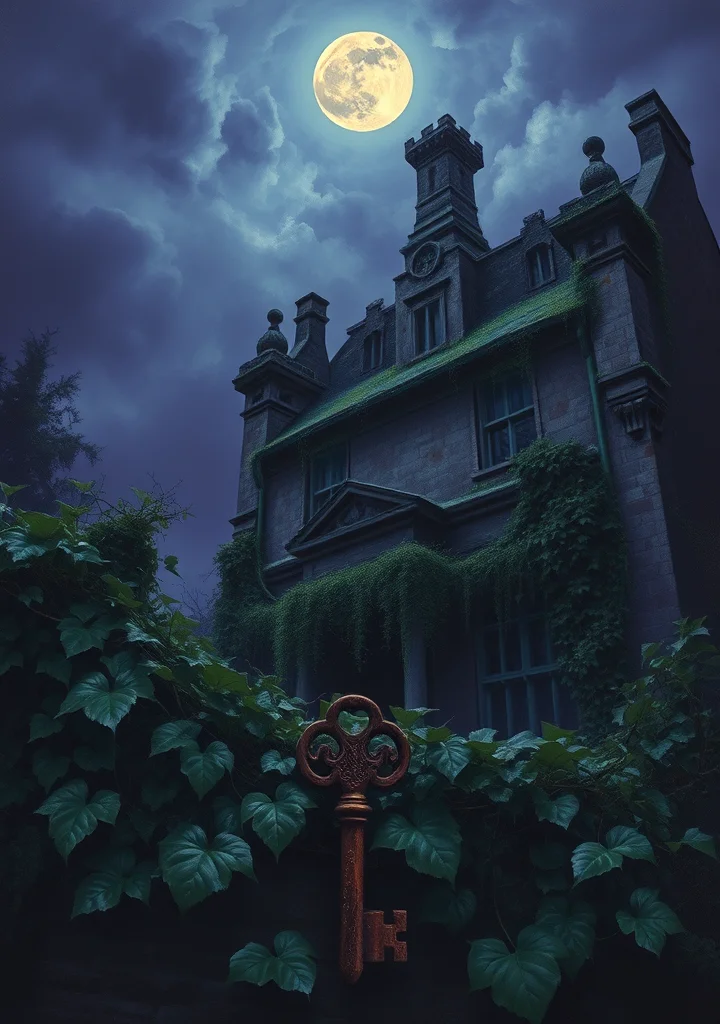
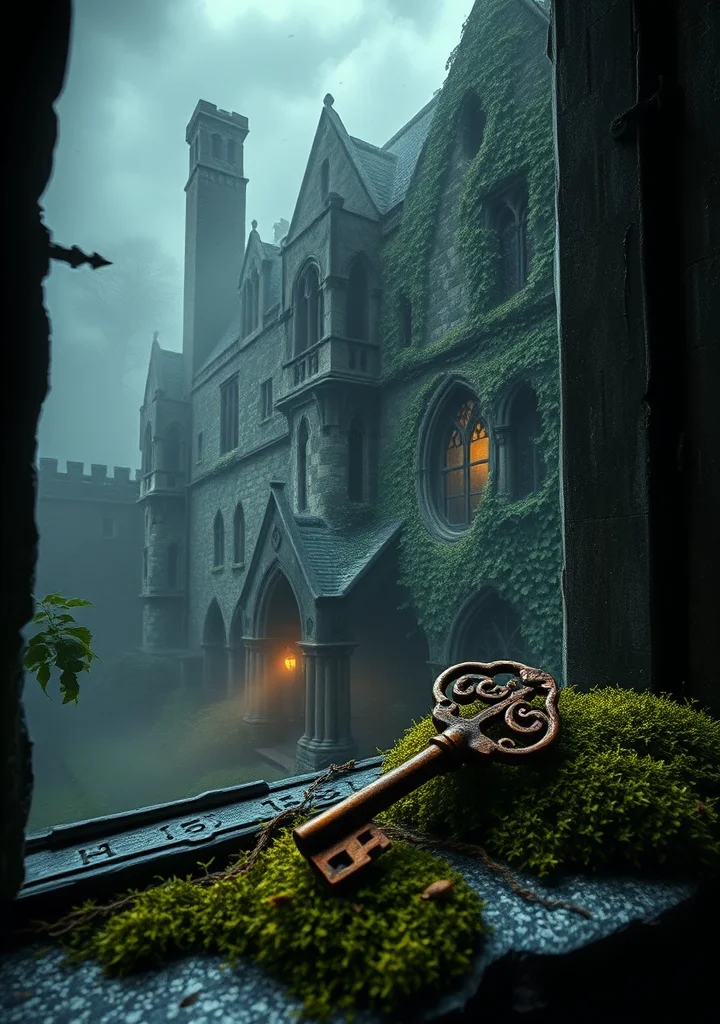
Dust motes dance in the perpetual twilight of Caradoc Hall, a crumbling Welsh manor steeped in forgotten lore. The scent of damp stone and decaying velvet clings to Elara, a woman adrift between worlds, drawn to the estate by a legacy of whispers and shadowed inheritance. Not a ghost hunt, but something colder – a pull from the very stones, a resonance with a history that refuses to stay buried. The Hall breathes with the echoes of its former mistress, a woman named Wynne, who vanished into the hills with a silver key and a secret pact with the land.
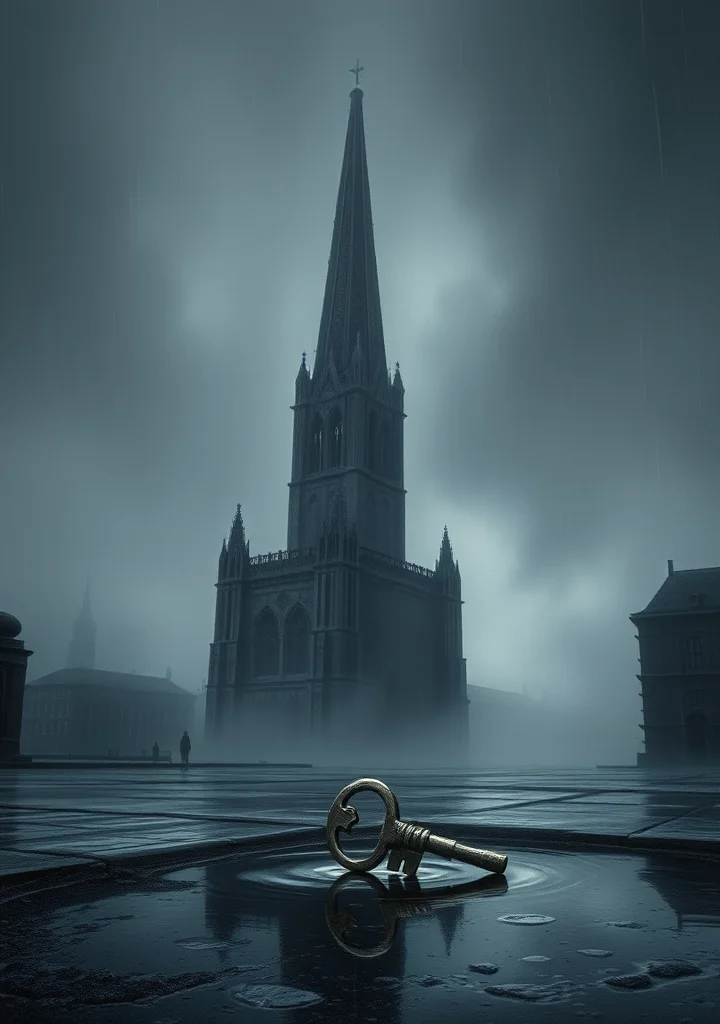
Each chamber Elara explores is a tightening spiral of unease, mirroring the labyrinthine corridors of her own fractured memory. The estate’s ancient guardian, a taciturn man named Rhys, offers only glimpses of the past, his eyes holding the same grey melancholy as the rain-lashed landscape. But the key isn't merely a relic; it’s a conduit. It unlocks not doors, but seams in time, drawing Elara into a spectral existence where Wynne’s disappearance isn't a tragedy, but a deliberate surrender to something ancient and hungry beneath the hills.
The air grows thick with the scent of peat and something else – something floral and cloying, like the perfume of a corpse. Shadows lengthen, not with the setting sun, but with the rising dread of a truth woven into the very foundations of Caradoc Hall. It’s a place where the veil between worlds thins to gossamer, where the living are haunted by the ghosts of those who chose to become something *other* than human, and where Elara must unravel the key’s mystery before she too is claimed by the timeless hunger of the Welsh wilderness.
Copyright: Public Domain
This license allows anyone to use your story for any purpose, including printing, selling, or adapting it into a film freely.
This license allows anyone to use your story for any purpose, including printing, selling, or adapting it into a film freely.
More like this