
-
Read 1.8K
-
0
-
Part 198
Completed, First published Mar 02, 2026
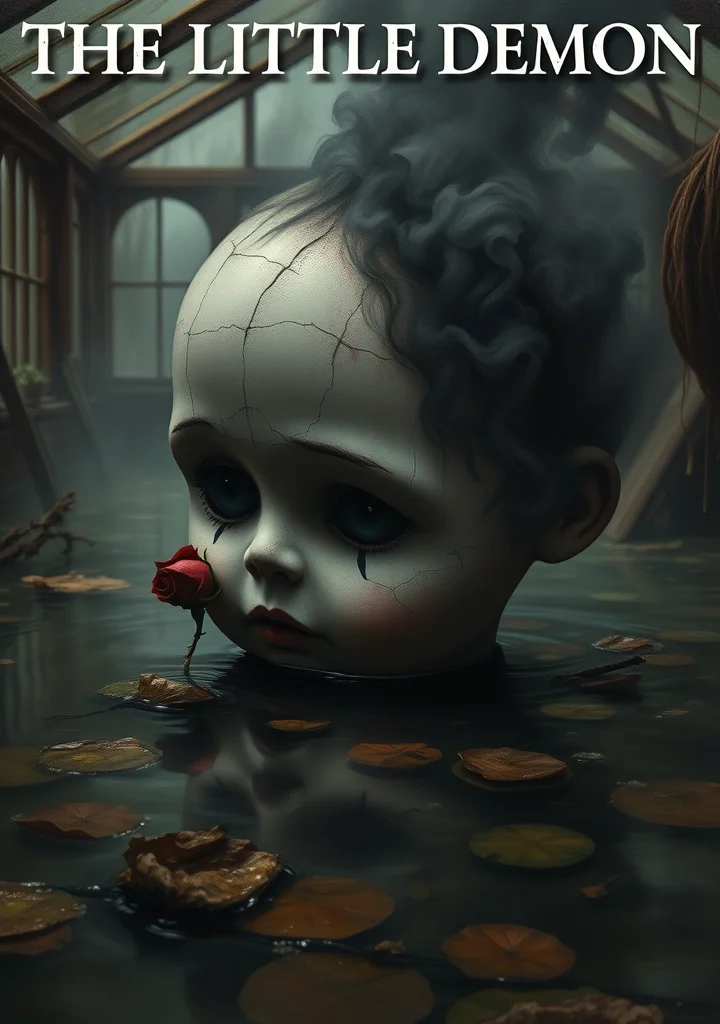
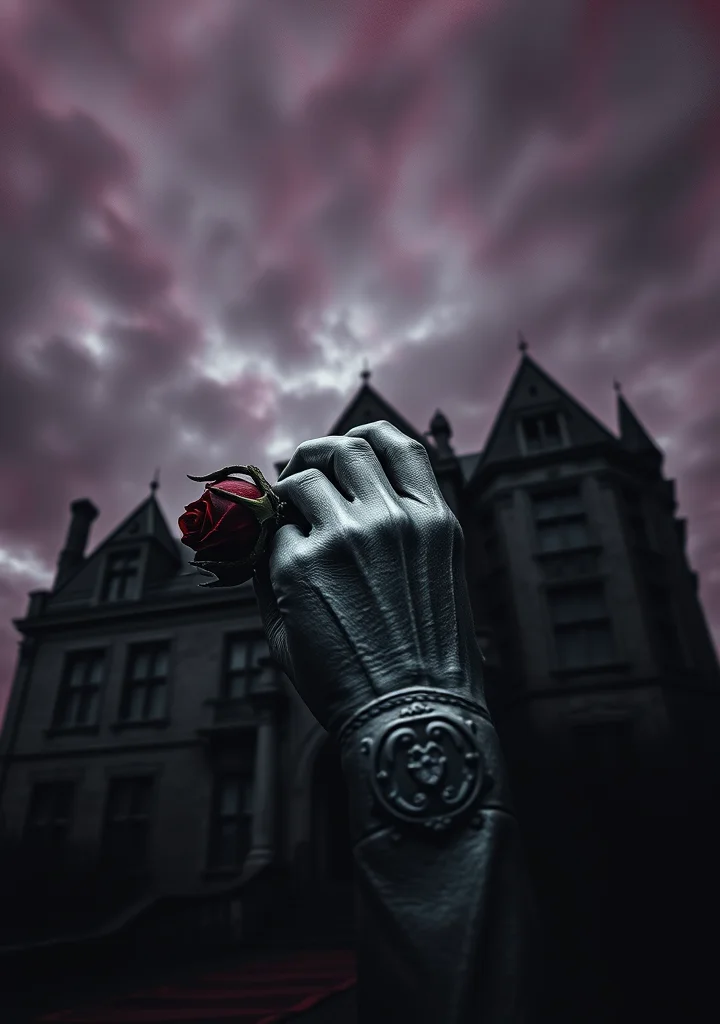
A creeping dread clings to the shadowed corners of this narrative, a suffocating dread born of isolation and inherited darkness. The story unfolds within the decaying grandeur of a remote estate, where whispers of ancestral sin weave through the damp stone walls. It is a tale of a man haunted not by ghosts, but by the chilling echo of his lineage – a lineage steeped in a perverse, predatory hunger. The very air seems thick with the scent of decay, mirroring the rot within the protagonist's soul.
A suffocating claustrophobia descends with each revealed layer of familial transgression. The landscape itself becomes a character, mirroring the barren, desolate reaches of the man’s spirit. Sunlight fails to penetrate the oppressive atmosphere, replaced by a perpetual twilight that mirrors the moral ambiguity at the heart of the story. The narrative doesn’t merely recount events, it *breathes* with them – a slow, agonizing suffocation under the weight of a monstrous heritage. It is a story of possession, not by demons, but by the very blood that runs in Adam’s veins, compelling him toward a monstrous, inevitable fate. The estate, and its secrets, become a living tomb, promising not just death, but the obliteration of all humanity within.
Copyright: Public Domain
This license allows anyone to use your story for any purpose, including printing, selling, or adapting it into a film freely.
This license allows anyone to use your story for any purpose, including printing, selling, or adapting it into a film freely.
Recommended for you