
Laughing Boy
  • 984
  • 0
  • 90
  • Read 984
  • 0
  • Part 90
Completed, First published Mar 02, 2026

The high desert breathes dust and regret. Young Cletus, a boy fractured by the echoes of his father’s ghost, moves through a landscape bleached bone-white under a merciless sun. This is not a tale of cowboys and gold, but of a slow unraveling, a creeping dread that clings to the juniper and the crumbling adobe. The boy’s laughter—a brittle, desperate sound—is both a shield against the desert’s silence and a lure for something ancient and hungry within it. Shadows stretch long from the mesas, mirroring the fissures in Cletus’s own heart. He’s haunted by visions—a phantom rancher, a woman with eyes like obsidian, a wind that whispers names long forgotten. The very air feels thick with the weight of stories buried beneath the sand, stories of betrayal and a violence that lingers in the bleached bones of the land. It’s a story told in the gaps between breaths, in the heat haze that dances on the horizon. A story where the line between living and dead blurs with each sunset, where the boy’s laughter becomes less a joy and more a desperate plea to ward off the darkness gathering at the edges of his world. The desert doesn't offer redemption; it demands a reckoning. And Cletus, laughing or weeping, is already caught in its grip.
Copyright: Public Domain
This license allows anyone to use your story for any purpose, including printing, selling, or adapting it into a film freely.
Recommended for you
72 Part
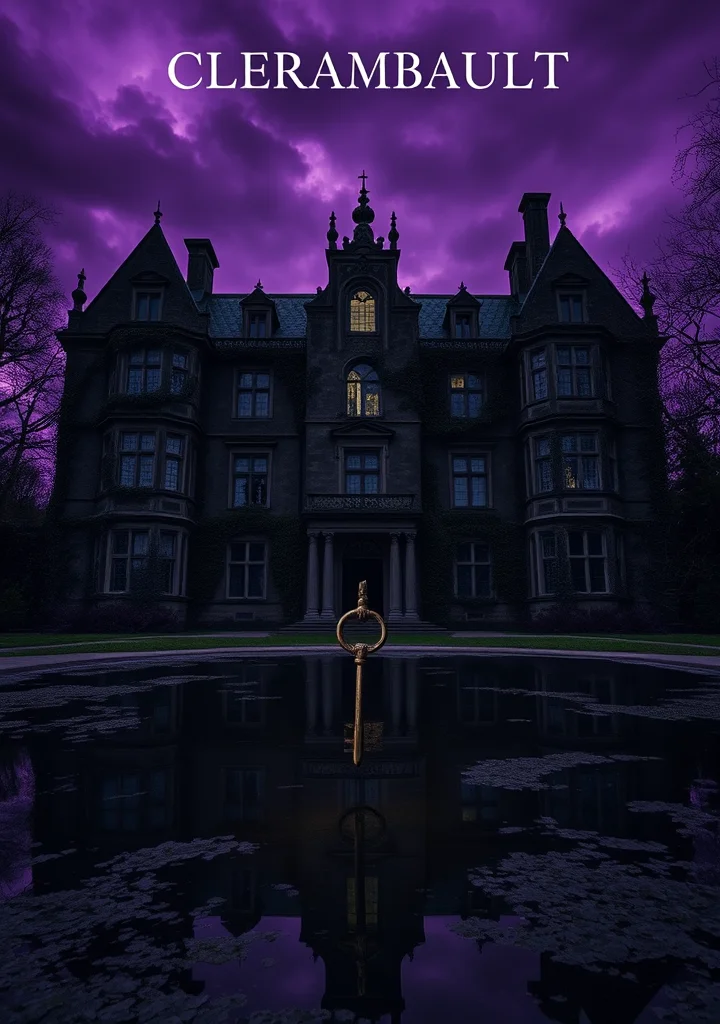
The air hangs thick with the scent of decay and damp earth within the crumbling chateau of Clerambault. Here, amidst shadowed corridors and portraits whose eyes seem to follow your every move, a man named Jean, haunted by a past he cannot escape, wages a silent war against his own fracturing mind. The estate itself is a character—a labyrinthine monument to a noble lineage crumbling under the weight of inherited madness and suffocating isolation. Rolland weaves a suffocating atmosphere of psychological torment, where the boundaries between reality and delusion blur with each echoing footstep. Jean's descent is not marked by dramatic outbursts, but by a creeping, insidious unraveling—a quiet rot consuming him from within. The oppressive weight of family history, the suffocating expectations of his ancestral home, and the insidious whispers of his own internal demons create a sense of dread that clings to the reader like a shroud. Sunlight rarely penetrates the overgrown gardens or the dust-veiled windows, lending the narrative a perpetual twilight. Every creaking floorboard, every rustle of leaves, is imbued with a sinister significance. The true horror isn’t found in specters or ghouls, but in the slow, agonizing disintegration of a man’s sanity, witnessed through the fractured lens of his own unreliable perception. It is a story steeped in the melancholic beauty of ruin, a haunting meditation on the fragility of the self, and the suffocating power of memory.
35 Part
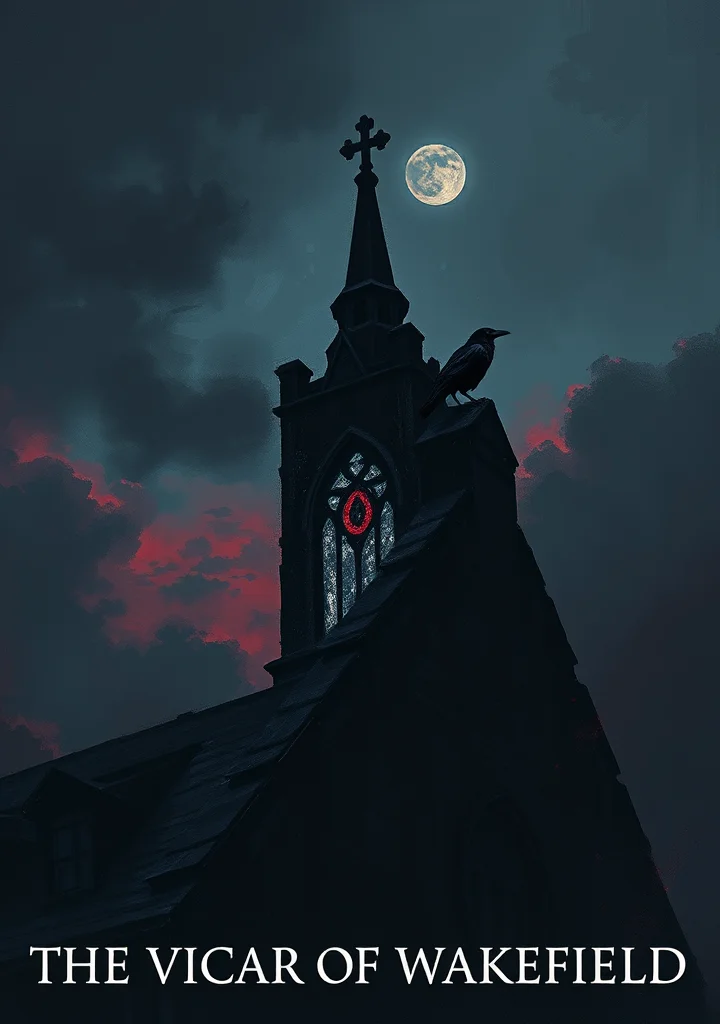
A creeping dread settles upon the reader even before the first page is turned. Wakefield, a village steeped in mist and rumour, becomes a prison of piety and hidden vice. The vicar, a man of gentle intent, finds his world unraveling not through grand tragedy, but through the insidious rot of circumstance and the blossoming sins of those closest to him. Sunlight here is brittle, casting long shadows that cling to the crumbling stone of the church and the shadowed faces of its inhabitants. The narrative breathes with the stifled sighs of daughters seduced by vanity, the desperate gambles of a brother consumed by ambition, and the slow, agonizing decay of a family’s reputation. Each act of kindness, each whispered prayer, is shadowed by the knowledge of impending ruin. A suffocating domesticity, rendered with a cold, precise hand, traps the reader within the suffocating walls of the vicarage. The air is thick with the scent of damp earth and decaying lace, a fragrance of broken promises and fractured faith. The story unfolds less as a sequence of events, and more as a gradual suffocation, the tightening of a noose woven from good intentions and the inevitable unraveling of a life lived in the shadow of expectation. It is a slow poisoning, where the poison is not malice, but the crushing weight of a world too small to contain its desires. Wakefield itself is a character—a silent, watchful entity that feeds on the failings of its inhabitants and buries their secrets in the graveyard’s cold embrace.