
Short Fiction
  • 1.8K
  • 0
  • 185
  • Read 1.8K
  • 0
  • Part 185
Completed, First published Mar 02, 2026

The Wessex countryside breathes a perpetual twilight here, a damp chill clinging to stone farmhouses and winding lanes. These stories aren't tales of grand tragedy, but of quiet rot—the slow decay of lives hemmed in by circumstance and shadowed by ancestral grief. Each narrative unfolds like a fog rolling in, obscuring the edges of morality and revealing the skeletal frame of human ambition. A bruised, bruised earth permeates everything, staining the prose with the color of blood-soaked clay and forgotten promises. The characters drift through their days, haunted by echoes of the past, their desires as brittle as dried leaves. There’s a sense of inevitability woven through each thread, a preordained sorrow that settles in the marrow of the bone. The wind whispers through the gnarled branches of ancient trees, carrying lamentations for loves lost and futures stolen—a relentless, mournful chorus that underscores the aching solitude of these forgotten corners of England. A palpable weight of loneliness clings to every sentence, leaving you gasping in the damp, earthy air long after the final page is turned.
Copyright: Public Domain
This license allows anyone to use your story for any purpose, including printing, selling, or adapting it into a film freely.
Recommended for you
12 Part
A suffocating dread clings to the steel decks and shadowed machinery of a transatlantic liner, where the brute force of labor grinds against a creeping, animalistic despair. The air itself is thick with coal dust and the greasy tang of engine rooms, mirroring the primal urges stirring within the hulking, ape-like figure of Paddy Donovan. He’s a man reduced to muscle and instinct, a creature of the hold, yet haunted by a phantom touch, a fleeting glimpse of something *other* than grime and iron. The narrative descends into a feverish, claustrophobic descent through the ship’s bowels—a world of flickering gaslight and the rhythmic throb of pistons, echoing the frantic beat of a caged heart. Donovan’s desperate attempts to connect, to *feel* something beyond the metallic clang of his existence, twist into a grotesque parody of yearning. The city above, glimpsed through grates and hatches, becomes a mocking reflection of a humanity he can no longer grasp. He is drawn to the grotesque carnival of the docks, to the desperate, predatory gazes of those who’ve lost their footing in the mire. The narrative bleeds into a brutal, fractured landscape of waterfront dives and shadowy alleys—a world where the ape’s rage finds a chilling resonance in the distorted cries of street preachers and the hollow laughter of the dispossessed. It is a slow, agonizing unraveling, a descent into a feral howl that echoes not with human protest, but with the guttural loneliness of a beast trapped in the ruins of its own making. The final, echoing space is one of concrete and cold, the raw, exposed nerve of a fractured soul finding its final, devastating release.
30 Part
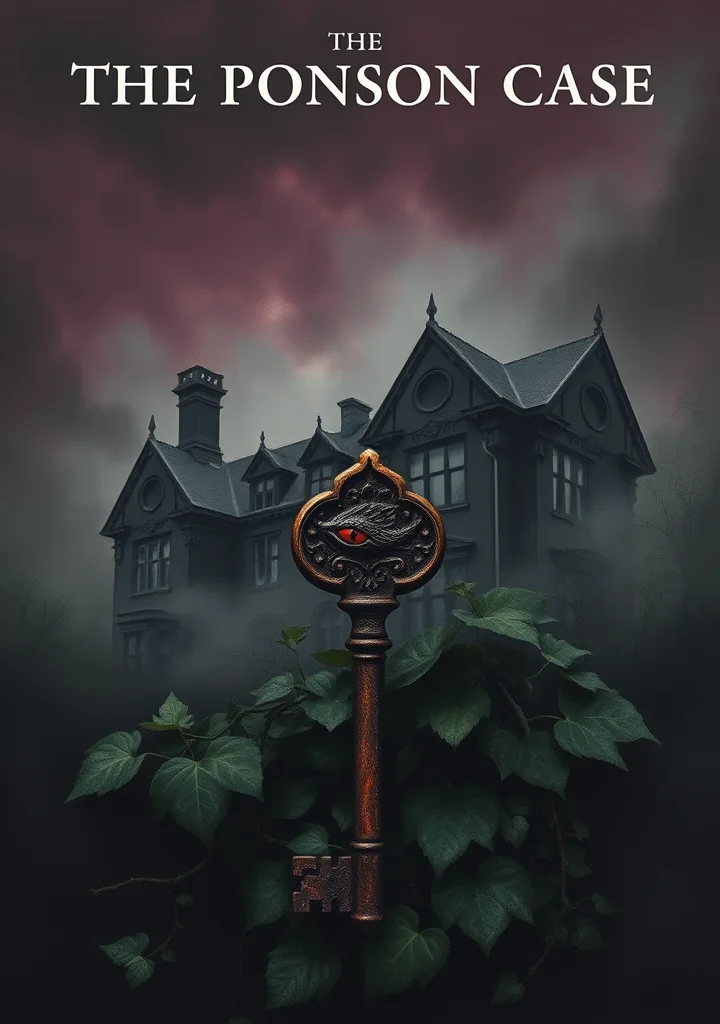
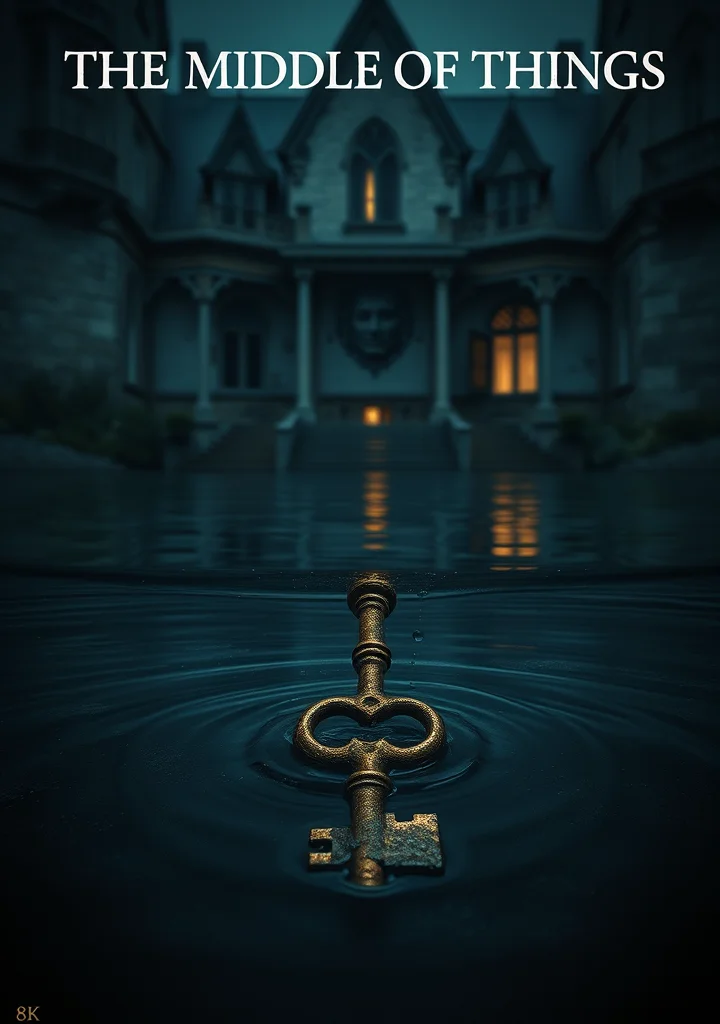
A creeping dread clings to the damp stone of Blackwood Manor, where whispers of a forgotten inheritance and a family fractured by shadow weave through the halls. The narrative unfolds not as a grand spectacle, but as a slow unraveling, a descent into the suffocating secrets held within a provincial life. Old man Harwood, a man of routine and quiet despair, finds himself unwillingly entangled in the affairs of others—a vanished solicitor, a resentful ward, and a legacy stained with avarice. The air is thick with the scent of decaying roses and unshed tears. Each chapter feels like a turning of a key in a rusted lock, revealing another shadowed alcove in the manor’s heart. It isn't the horror of what *happens*, but the suffocating weight of what is *known*—the stifled resentments, the furtive glances, the unspoken accusations that fester within the household. The story is told in fragments, overheard conversations and half-remembered incidents, mirroring the fractured memories of those caught within the manor's orbit. Rain lashes against the windows, mirroring the tempest brewing within Harwood’s breast. The middle of things, he comes to realize, is not a position of neutrality, but a vortex—a point where all the dark currents converge. The ending isn't a resolution, but a settling of dust on the things that were always there, waiting for the shadows to lengthen and claim their due. A quiet, insidious despair permeates the pages, leaving the reader with the chilling sensation of being watched from the darkened corners of Blackwood Manor long after the book is closed.