
The Mucker
  • 493
  • 0
  • 36
  • Read 493
  • 0
  • Part 36
Completed, First published Mar 02, 2026

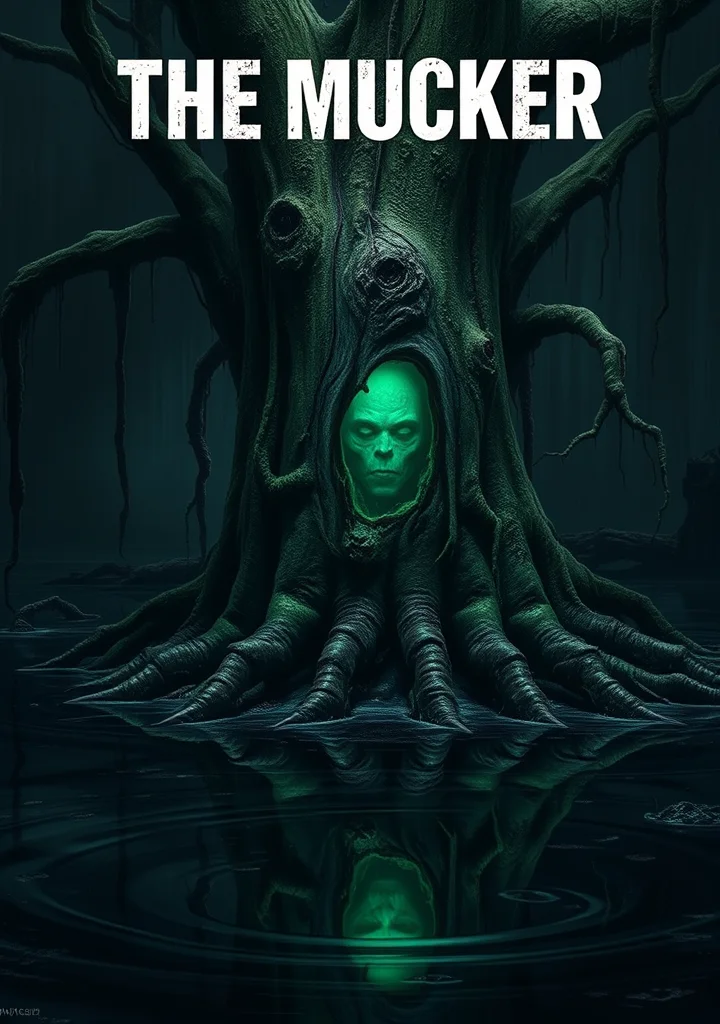
Beneath the suffocating heat of the Louisiana swamps, a darkness clings to the very air. This is not a tale of grand adventure, but of a descent into a mire of primal lust and savage betrayal. The scent of decay hangs heavy, not just in the rotting cypress knees and the stagnant canals, but in the very blood of the men who hunt the monstrous creature known as The Mucker. A creature born of forbidden union, a man-beast both terrifying and tragically human, driven by an instinctual hunger that mirrors the swamp’s own consuming embrace. The narrative unfolds through fractured glimpses, the fevered journal of a man unraveling as he stalks his quarry. Each entry is stained with obsession, with the insidious allure of the wild, and with the creeping realization that the line between hunter and hunted is as fragile as the swamp’s shimmering surface. It’s a world where civility dissolves in the humid night, where the cries of the swamp’s denizens blend with the tormented whispers of a soul lost to the green hell. Expect not heroism, but a suffocating claustrophobia. The swamp itself is a character, breathing and shifting, concealing not just The Mucker, but the monstrous desires that fester within the hearts of men. The reader will be pulled under, drawn into a suffocating darkness where the only certainty is the primal scream echoing in the humid air. A darkness that clings long after the last page is turned.
Copyright: Public Domain
This license allows anyone to use your story for any purpose, including printing, selling, or adapting it into a film freely.
Recommended for you
32 Part
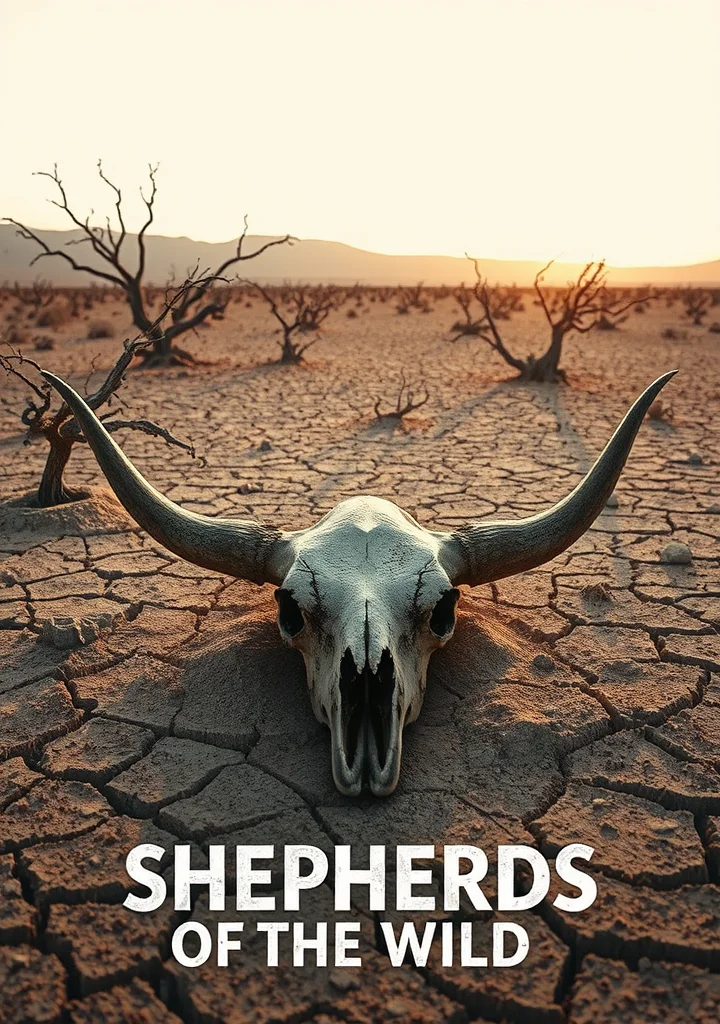
The salt-laced wind howls through skeletal chaparral, mirroring the desperation clawing at the throats of men adrift in a California bleached bone-white by sun and regret. Edison Marshall doesn’t offer cowboys or gunfights, but a creeping dread born of isolation, of land that swallows men whole and spits out their ghosts to wander the canyons. Here, the ranchers—the “shepherds”—are less masters of cattle than wardens of a crumbling dominion, haunted by the specter of Spanish conquest and the whispers of native spirits driven to madness. Dust devils dance with the memories of slaughtered herds, the phantom cries of women lost to the desert’s embrace. The narrative unfolds as a slow bleed of violence, not from quick draws but from the rot within families fractured by ambition and thirst. Every cracked adobe wall breathes with the weight of inherited sins, every shadow cast by a Joshua tree seems to lengthen into the shape of a noose. The land itself is a character—a vast, indifferent god demanding sacrifice. The men who cling to it, driven by a desperate need to build something lasting from dust and decay, are shadowed by the realization that they are building their tombs, not empires. This isn't a tale of the West won, but of the West *consuming*, leaving only hollowed men and the bleached bones of a kingdom built on sand. The air is thick with the scent of sage and the metallic tang of blood, both old and freshly spilled, clinging to the canyons like a shroud.
101 Part
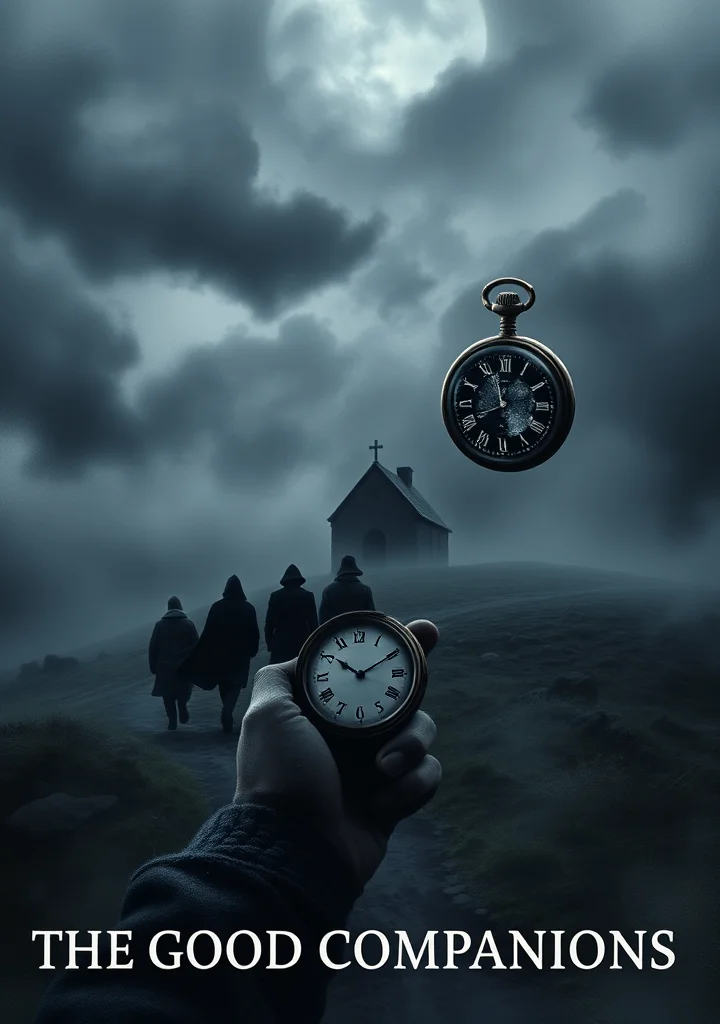
A creeping fog clings to the Yorkshire moors, mirroring the secrets held within the hearts of five strangers bound together by chance and a shared, unsettling journey. The year is nineteen thirty-one, and the weight of England’s failing industries presses down on each companion like a suffocating shroud. But this is no mere tale of economic hardship. It’s a slow unraveling, a gothic pilgrimage across a landscape haunted by fractured memories and the ghosts of unspoken desires. Each character carries a fragment of a forgotten tragedy, their pasts woven into the very fabric of the crumbling pubs and desolate railway lines they traverse. The narrative breathes with a melancholic rhythm, echoing the rhythmic clatter of train wheels and the mournful cry of distant sheep. A sense of premonition hangs heavy – not of spectacular doom, but of quiet, insidious decay. The camaraderie feels brittle, laced with suspicion and a desperate need to understand the shadows lurking within their companions’ eyes. As the companions draw closer to London, the oppressive atmosphere intensifies, mirroring the city’s labyrinthine streets and the moral murk beneath its glittering façade. A creeping sense of inevitability settles upon them, hinting that their shared journey isn’t merely across England, but towards a reckoning with the darkness within themselves. It’s a story told in hushed tones, where the true horrors aren’t found in grand gestures, but in the silences between words and the chilling recognition of shared, unacknowledged grief.