
Pulso Vermelho e Bancos Frios
  • 27
  • 0
  • 5
  • Read 27
  • 0
  • Part 5
Ongoing, First published May 11, 2026

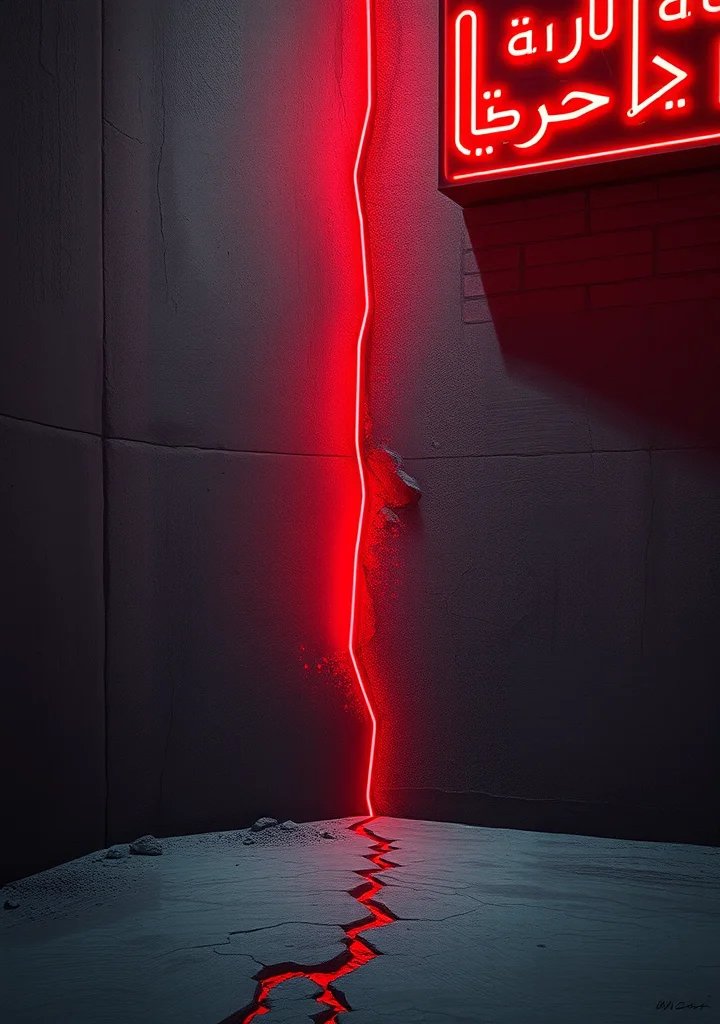
Este romance acompanha homens em busca de estabilidade financeira e em meio a conflitos no trabalho. A narrativa alterna entre a rotina de um pai com seu filho e a dura realidade de quem enfrenta luto e pobreza. Um deles trabalha em um bar gay, resistindo a investidas e mudanças no negócio. À medida que as oportunidades desaparecem, ele se vê em desespero e noites frias, até um encontro inesperado com um menino lhe trazer um raio de esperança. Um mundo onde limites são testados e a sobrevivência tem um preço.
Copyright: All Rights Reserved
No person is allowed to use, redistribute, or modify your work in any form without your explicit permission.
Recommended for you
35 Part
A creeping dampness clings to every page, mirroring the subterranean passage that dominates this fractured narrative. Here, the London streets exhale not into sunlight, but into a labyrinth of echoing brick and shadowed alcoves. The protagonist, adrift in a city both vast and suffocating, finds herself drawn – or perhaps driven – towards a network of tunnels beneath the city’s heart. These aren’t merely physical spaces, but corridors of memory, of unspoken desires, and of a creeping, nameless dread. The narrative unravels like damp thread, pulling at the edges of a life fractured by loss and yearning. A fractured, internal world is rendered through fragmented perceptions. Every encounter, every overheard fragment of conversation, feels weighted with a melancholic resonance. The air is thick with the scent of coal dust and decay, punctuated by the distant rumble of unseen machinery. There is a sense of being watched, of being drawn into a conspiracy of shadows, not by villains, but by the very fabric of the city itself. The tunnel is a metaphor, of course—a descent into the subconscious, a descent into a forgotten self. The prose is less about what is seen, and more about what is *felt* – the cold stone against skin, the suffocating weight of the earth above, the gnawing certainty of something lost, irretrievable, and buried deep within the echoing darkness. A claustrophobic, hypnotic descent into the heart of a woman’s unraveling, and a city’s hidden wounds.
6 Part
A creeping dread clings to the shadowed streets of Paris, mirroring the decay within Béatrix’s very soul. Balzac doesn’t offer romance, but a slow, exquisite unraveling. The narrative coils around a young woman whose beauty is a fragile inheritance, purchased with a desperate bargain struck against a creeping, inherited malady. Her existence is a gilded cage, gilded with the sickly sheen of ambition and financed by a husband whose affections are as cold as the marble of his ancestral estate. The air within is thick with the scent of decaying fortunes, whispered debts, and the suffocating weight of societal expectation. Each gesture, each calculated smile, feels less like living and more like a performance staged for a ravenous audience. A pervasive sense of rot permeates every scene, not merely in the crumbling grandeur of the homes but in the hearts of those who inhabit them. The novel doesn't reveal monsters in the darkness, but exposes the monstrous compromises made in the light. The narrative is less concerned with what happens *to* Béatrix than with the subtle erosion of her spirit, a fading luminescence devoured by the insatiable hunger of the Parisian elite. It’s a story of exquisite confinement, where the only escape is a descent into a darkness more profound than the illness that threatens to consume her. The shadows lengthen, and with each passing chapter, one feels the tightening grip of a fate far more sinister than mere mortality.