
-
Read 246
-
0
-
Part 10
Completed, First published Mar 02, 2026
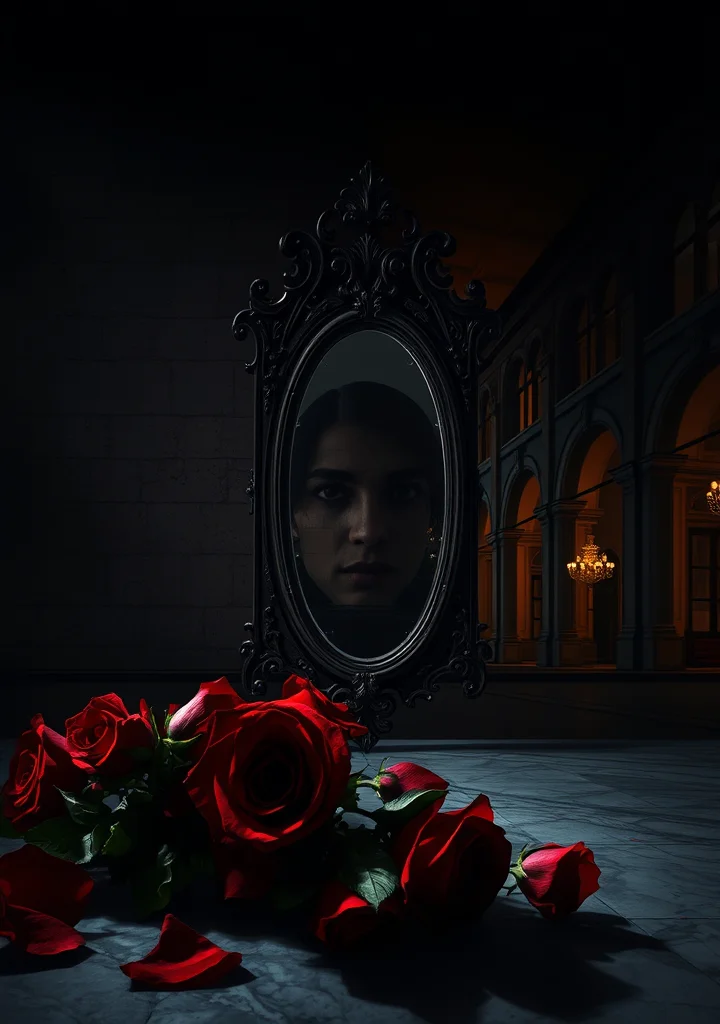
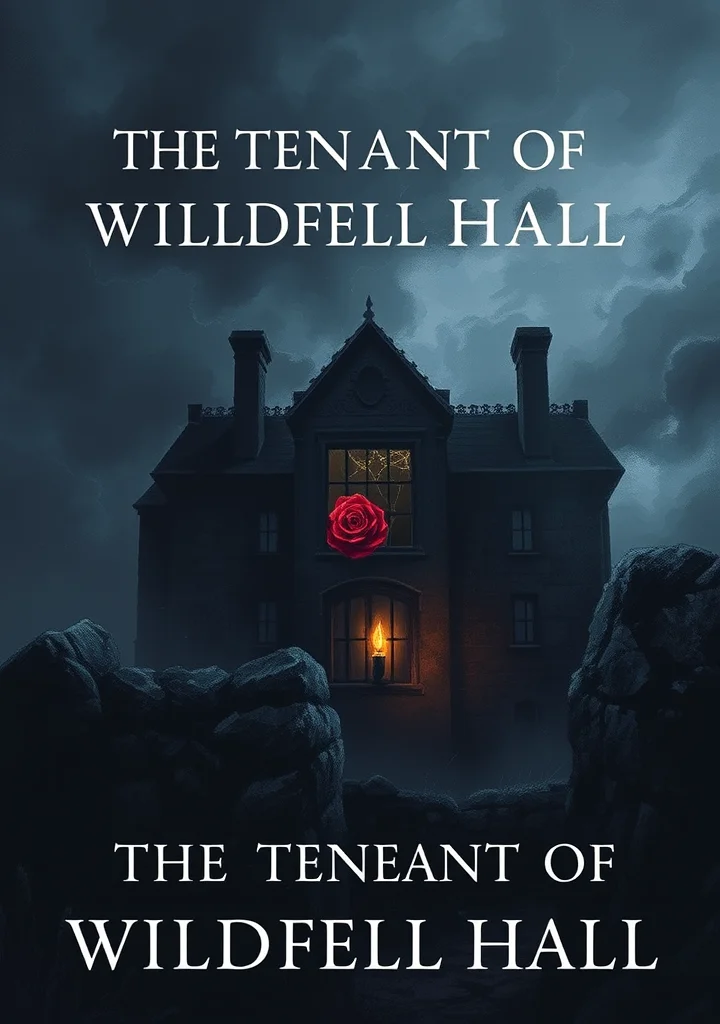
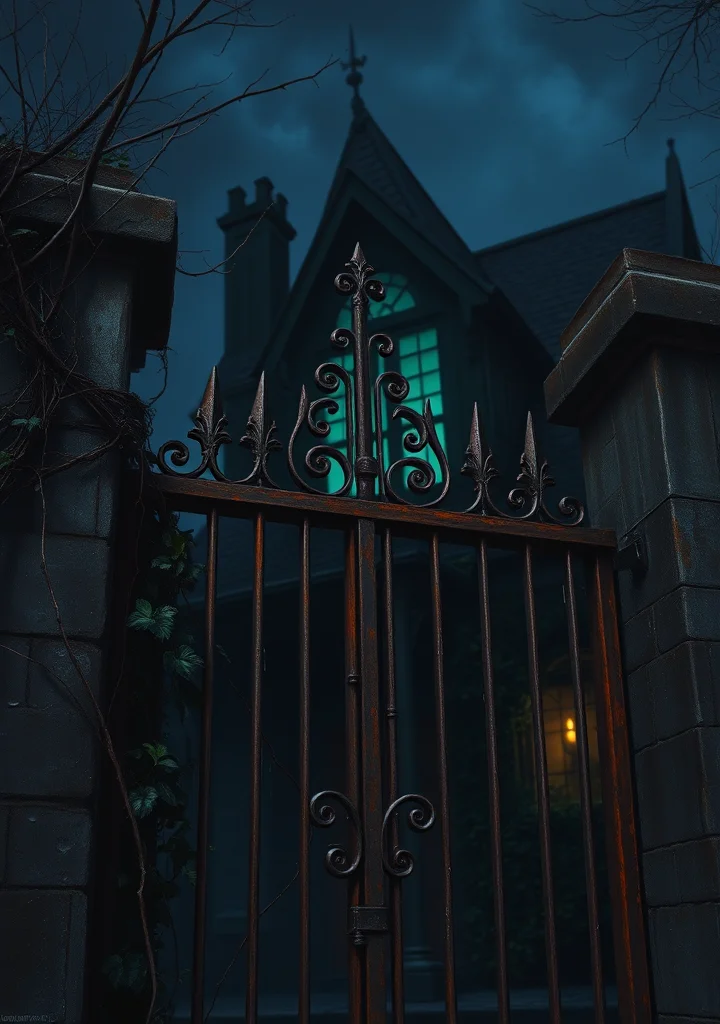
A creeping dread clings to the shadowed eaves of Blackwood Manor, where the whispers of generations seep into the very stones. The novel unfolds not as a story *told*, but as a slow accretion of unease, a suffocating humidity rising from the decaying grandeur of the estate. Old Mrs. Blackwood, a figure woven into the fabric of the house itself, presides over a household haunted by unspoken grievances and the stifled ambitions of daughters left to wither within its ornate cages. Each room breathes with a forgotten sorrow, each portrait watches with a judgment born of long-silenced desires. The scent of dust and dying roses hangs heavy, mirroring the rot that festers beneath polite smiles. A suffocating claustrophobia descends as the narrative coils tighter, less a plot revealed than a decay exposed—the unraveling of a family’s brittle grace under the weight of inherited secrets. The garden, overgrown and choked with thorns, reflects the suffocating constraints binding the women within, while the looming presence of the pointed roofs themselves seem to pierce the sky with a silent, predatory hunger. It is a study in stillness, in the slow, deliberate corrosion of hope, where the true horror lies not in what is seen, but in what is *felt* – the suffocating weight of a life lived within the shadows of expectation.
Copyright: Public Domain
This license allows anyone to use your story for any purpose, including printing, selling, or adapting it into a film freely.
This license allows anyone to use your story for any purpose, including printing, selling, or adapting it into a film freely.
Recommended for you