
Red Wristbands and Cold Benches
  • 57
  • 0
  • 6
  • Read 57
  • 0
  • Part 6
Completed, First published May 09, 2026

This novel traces the lives of men navigating precarious financial situations and complex workplace dynamics. The narrative shifts between the intimate routines of a father preparing for school with his son, and the stark realities of those struggling with grief and poverty. One man works at a gay bar, steadfastly refusing advances despite pressure from colleagues and a changing business landscape. As opportunities vanish, he finds himself facing desperation and cold nights, while a chance encounter with a young boy offers an unexpected glimmer of kindness. These chapters reveal a world where boundaries are tested, and survival often comes at a cost.
Copyright: All Rights Reserved
No person is allowed to use, redistribute, or modify your work in any form without your explicit permission.
Recommended for you
24 Part
London breathes under a fog thick with coal dust and righteous fury. A singular, colossal figure – Michael Fane, the self-proclaimed Napoleon – stalks the streets of Notting Hill, not for conquest, but for a peculiar, escalating series of acts of civic “improvement.” He doesn’t steal, not precisely. He *rearranges*. He dismantles a building here, subtly alters a square there, all in the name of a deranged, geometric vision of order. The air hangs heavy with the dread of unspoken intentions. The narrative unravels through the eyes of a bewildered, increasingly horrified populace, and the desperate, flailing attempts of the police to understand a man who claims to be enacting a divine geometry. Each rearrangement isn’t merely vandalism, but a surgical excision of the city's soul, a chipping away at its haphazard, human beauty. A creeping claustrophobia settles in as Fane’s “improvements” become more audacious, more…necessary. The gas lamps cast elongated shadows that seem to mimic his reshaping of the streets. The scent of damp brick and decaying plaster clings to the air, mirroring the decay of reason within Fane’s mind. It’s not a story of violence, but of insidious, creeping control. The dread doesn't lie in what is *done*, but in the chilling logic behind it – a perverse, obsessive love for a perfect, sterile London that will be born from the rubble of the old. A city remade in the image of one man’s madness.
30 Part
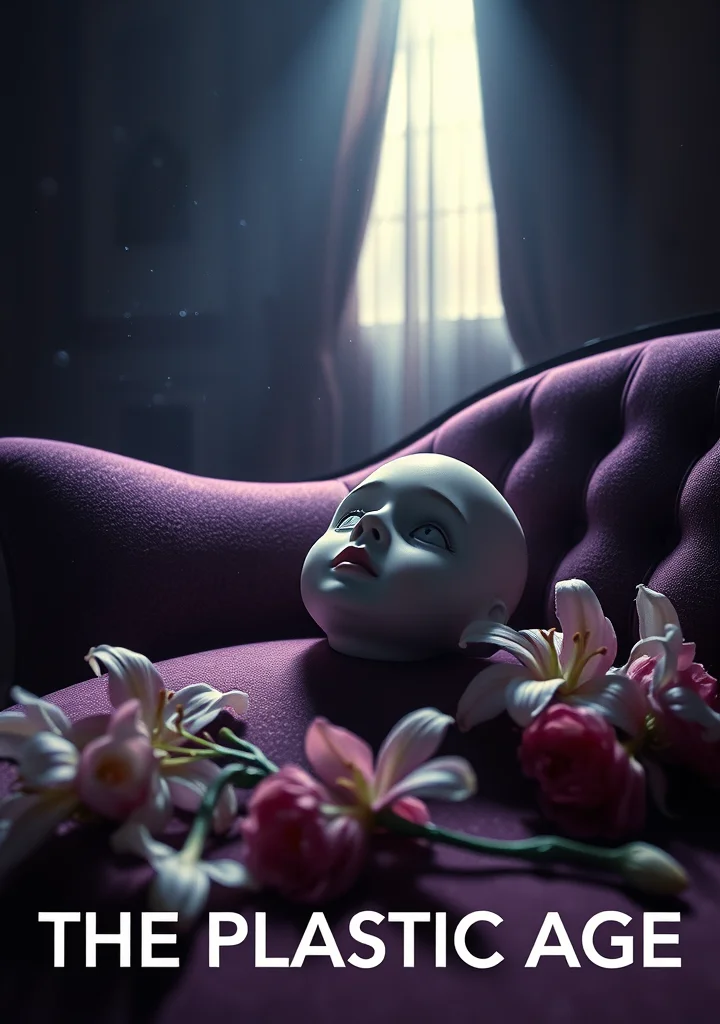
A suffocating stillness clings to the crumbling estate of Blackwood Manor, where whispers of inherited madness and manufactured desires coil like smoke around the brittle bones of its last inhabitants. The air hangs thick with the scent of lilies and something acrid, something *new* – the scent of molded perfection, of faces smooth as porcelain, yet hollowed by an emptiness that mirrors the decay within the manor’s walls. Young Alistair Finch arrives seeking respite, lured by tales of his aunt’s peculiar philanthropy, but finds himself instead swallowed by a society obsessed with ‘refinement.’ Here, beauty is not born, but *constructed*. Faces are remade, personalities reshaped with a chilling precision, all under the watchful gaze of Aunt Isolde, whose smile is as flawless as it is predatory. Alistair discovers the manor’s guests are not merely indulging in vanity, but submitting to a procedure – a sculpting of flesh and will – that promises eternal youth and flawless form. But beneath the polished surfaces, cracks begin to appear. The garden, a labyrinth of sculpted hedges and glass flowers, holds a dark secret: discarded ‘shells’ of those who failed to meet Isolde’s impossible standards. Alistair finds himself drawn to Clara, a woman haunted by fragments of a life she no longer remembers, her eyes mirroring the vacant stare of the mannequins that populate the manor’s shadowed halls. As Alistair unravels the truth, he discovers the price of perfection is not merely beauty, but the very essence of self. The plastic age is not an era of renewal, but of extinction, where humanity is slowly, meticulously, *molded* into oblivion.