
Cafeteria Days
  • 30
  • 0
  • 4
  • Read 30
  • 0
  • Part 4
Completed, First published Jun 05, 2026

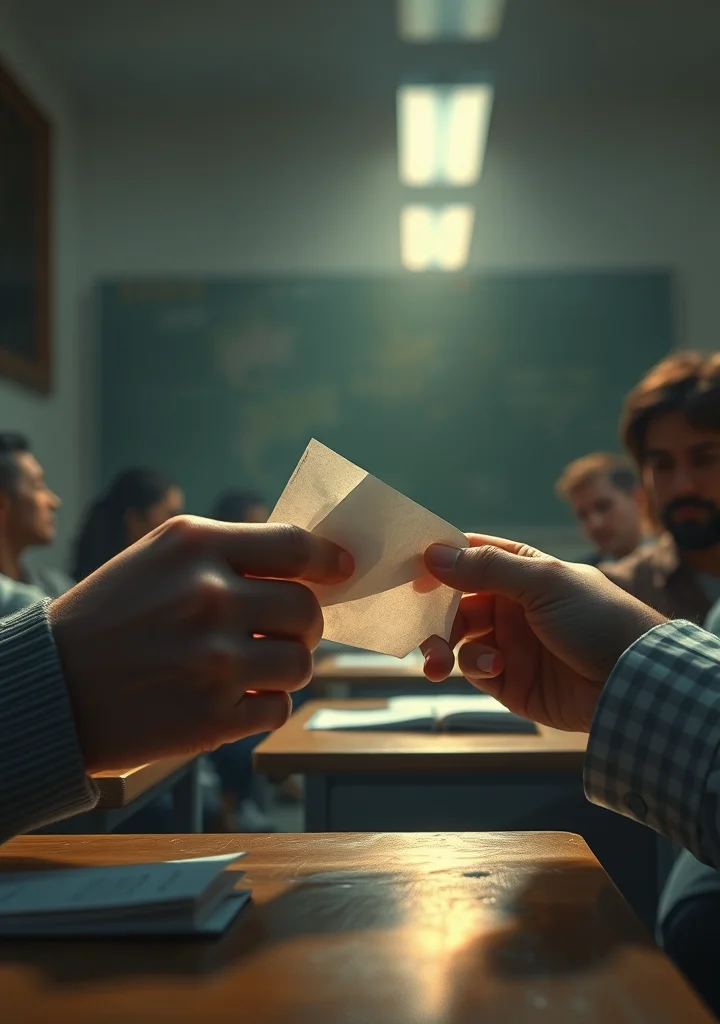
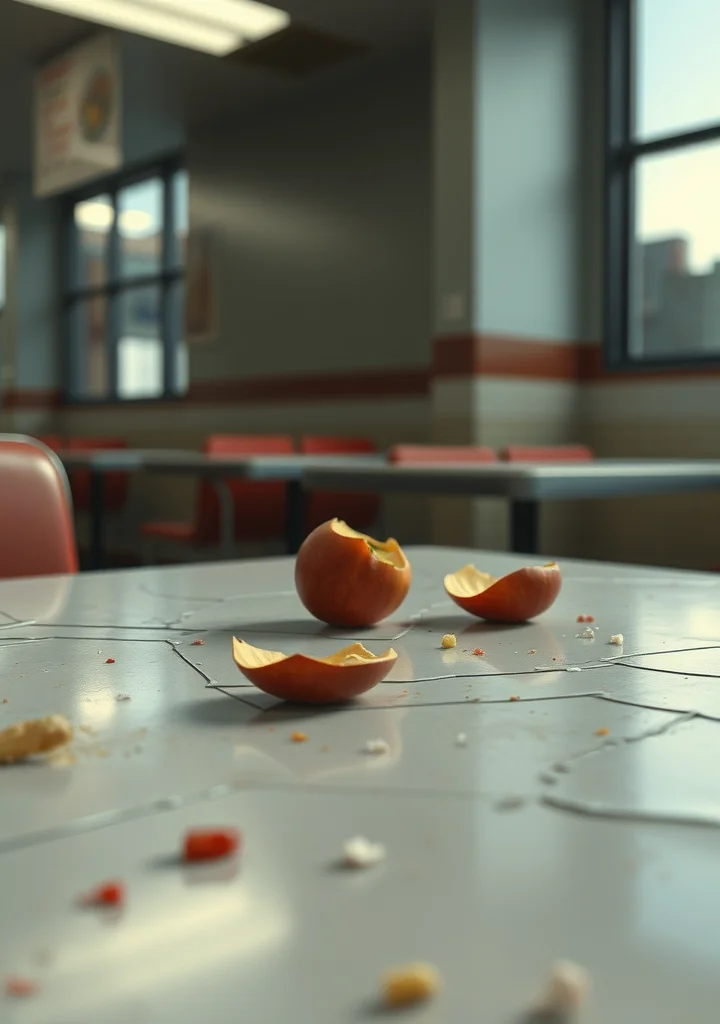
This novel follows Harry as he navigates the anxieties and uncertainties of school life, grappling with feelings of isolation and depression. Early chapters depict his attempts to connect with friends – Niall and Liam – while simultaneously retreating into solitude. The narrative traces awkward interactions with former friends, like Louis, and the subtle stresses of everyday social encounters. Through physics class and cafeteria lunches, the story reveals a young man’s struggle to appear ‘fine’ while wrestling with a fear of intimacy and wasted time in relationships. These chapters hint at past fractures in friendship and the weight of unspoken anxieties.
Copyright: All Rights Reserved
No person is allowed to use, redistribute, or modify your work in any form without your explicit permission.
Recommended for you
10 Part
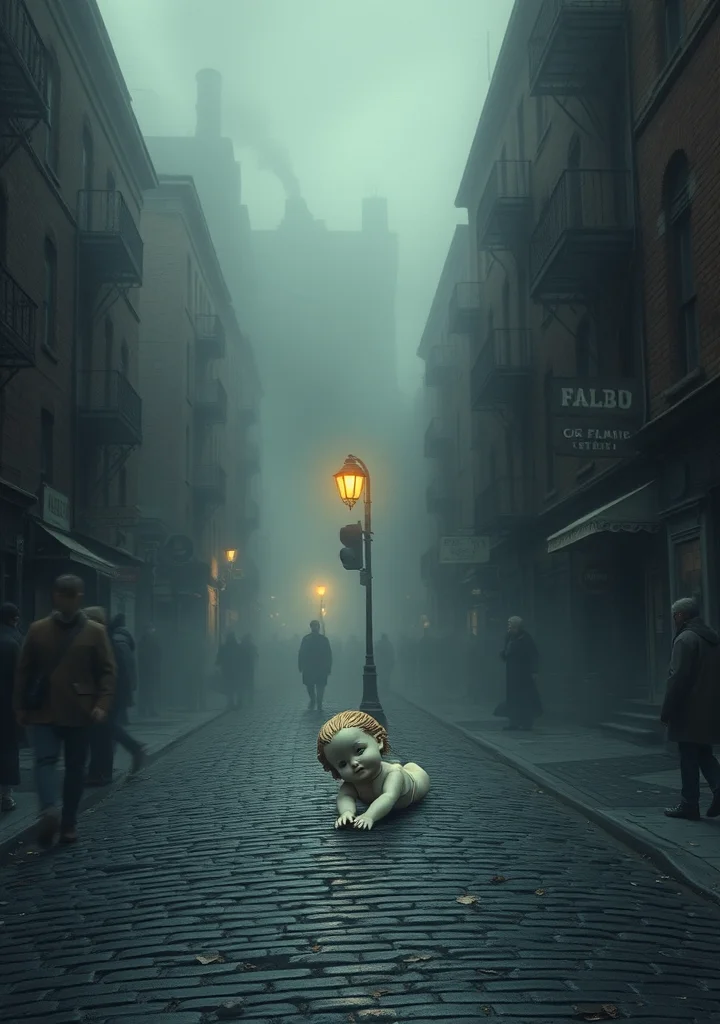
A creeping fog clings to the crumbling tenements of industrial cities, mirroring the stagnation within the minds of their inhabitants. This is not a tale of spectral hauntings, but of a more insidious decay—the erosion of connection, the calcification of habit. Within the labyrinthine streets, shadowed by factory smoke, faces blur, indistinguishable in their compliance. A suffocating sense of isolation permeates each brick edifice, each cobbled lane, a despair born not of malice, but of apathy. The narrative unfolds as a slow, suffocating descent into a world where individual will has been subsumed by the cold logic of the machine. Every transaction, every gesture, is a repetition of the meaningless. The weight of expectation, a leaden shroud, smothers any spark of genuine exchange. Voices, once vibrant with dissent, are reduced to murmurs, swallowed by the echoing chambers of a society built on pretense. A pervasive melancholy settles upon the reader, as they witness the quiet disintegration of shared purpose. The architecture itself seems to mourn, its decaying grandeur reflecting the decay of the civic spirit. A sense of dread permeates the very air—not a sudden, violent horror, but the chilling realization that the rot has taken root, and the edifice of public life is crumbling from within, leaving only hollow shells of expectation and regret. The silence is the loudest terror, a testament to the problem’s insidious, irreversible grip.