
Air Dingin, Lendir Ungu
  • 9
  • 0
  • 4
  • Read 9
  • 0
  • Part 4
Ongoing, First published May 24, 2026

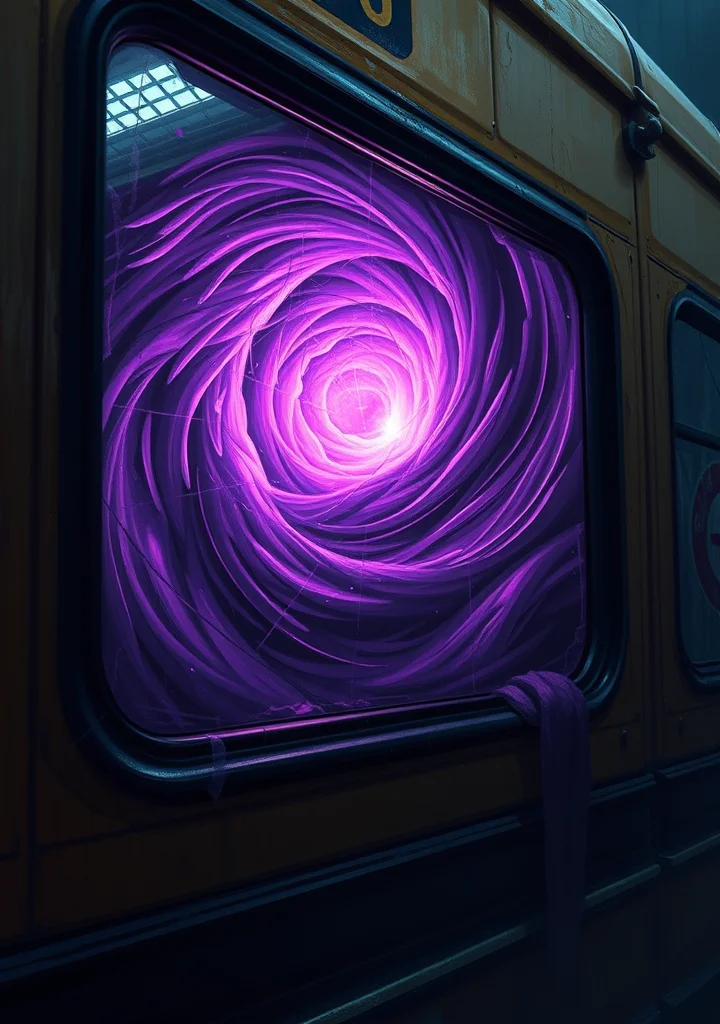
Novel ini membuka ke dunia yang dibayangi oleh mimpi buruk yang intens dan koneksi yang tak terduga. kisah ini menggambarkan seorang Peter Parker muda dengan bakat tersembunyi. seperti rasa frustrasi dari perjalanan yang penuh sesak ke kecelakaan yang melibatkan goo ungu sebuah bunga romantis tentatif, dibayangi oleh kesedihan dan tantangan menavigasi kehidupan sekolah tinggi. cerita yang samar-samar pada rahasia dan kekhawatiran yang tidak terucapkan sebagai karakter yang terganggu dengan penindasan, dan kehilangan keluarga yang kompleks, dan kehilangan.
Copyright: All Rights Reserved
No person is allowed to use, redistribute, or modify your work in any form without your explicit permission.
Recommended for you

8 Part
A suffocating stillness clings to the Gabler estate, a mausoleum of inherited wealth and decaying ambition. Within its shadowed parlors, Hedda, a bride newly returned, breathes a discontent that curdles the air. Not a tale of spectral hauntings, but of a hollowness that consumes from within. The scent of withered blooms and unsent letters permeates every room, mirroring the slow rot of Hedda’s spirit. A suffocating marriage, a stifled legacy—these become the bars of her gilded cage. The narrative unfolds as a slow bleed of frustration, a poisonous flowering of cruelty masked by polite society’s veneer. Each conversation, a brittle exchange of veiled threats and unspoken desires. A creeping dread settles with the dusk, fueled by whispered secrets and the echoes of past tragedies. The estate itself becomes a character, its oppressive architecture mirroring Hedda’s constriction, the scent of decay clinging to her every action. The air thickens with the weight of unfulfilled longing, a perverse obsession with control blooming in the shadows of her discontent. A sense of inevitable collapse permeates the story, not through grand catastrophe, but through the quiet, agonizing unraveling of a woman suffocated by expectation, driven to desperate measures within the suffocating confines of her own making. The ending lingers not as a resolution, but as a chilling residue—a cold, elegant despair that seeps into the very foundations of the house and the reader’s soul.
18 Part
Dust motes dance in perpetual twilight, clinging to the scent of woodsmoke and forgotten lace. A chill, not of winter but of absence, permeates the Darling nursery, where shadows stretch long and the air hums with the memory of vanished laughter. This is a story woven from the threads of loss – not death, but the slow unraveling of childhood's grip. Peter arrives not as a savior, but as a fracture, a beautiful, glittering shard of defiance against the inevitable march of time. Neverland isn’t paradise, but a gilded cage of perpetual youth, stained with the bitter tang of regret for what *must* be left behind. The boys are brittle things, fueled by recklessness and the echoing emptiness of being chosen. Wendy’s heart, though offered as a mother to them all, is perpetually bruised, haunted by the knowledge of what she’s traded for a glimpse of eternal play. Every victory is shadowed by the creeping realization that joy born of stolen moments is built on the ruins of a world she can no longer fully inhabit. The darkness isn’t found in Captain Hook’s malice, but in the suffocating silence that descends when the lost boys finally look into the hollows of their own prolonged childhoods. The island breathes with a mournful sigh, a testament to the impossibility of holding onto the fading light, and the unbearable weight of a future forged from the echoes of yesterday’s dreams. It is a place where the most potent magic is not creation, but remembrance. And every return to the world of mothers and clocks is a slow, agonizing descent into the very grief Neverland was meant to outrun.