
Short Fiction
  • 176
  • 0
  • 14
  • Read 176
  • 0
  • Part 14
Completed, First published Mar 02, 2026

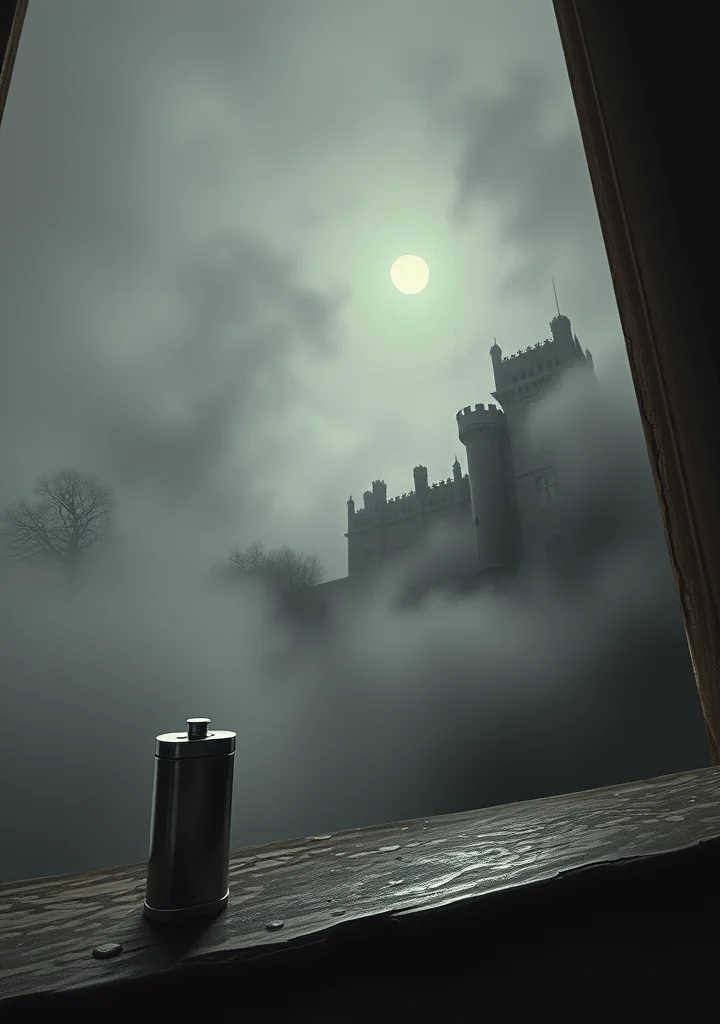
The salt-laced wind whispers through skeletal pines, a perpetual twilight clinging to the fjords where these stories breathe. Lie doesn’t offer tales of grand horror, but of a creeping dread that blooms in the marrow of isolation. Each narrative is a slow bleed of the soul, mirroring the encroaching decay of coastal villages swallowed by mist and memory. You'll find no monsters with teeth and claws here, but the weight of unspoken grief, the suffocating intimacy of a dying landscape, and the ghostly residue of lives lived too long in the shadow of the sea. The characters are driftwood—worn, splintered, and haunted by the ache of absence. They exist in a perpetual grey, where the boundaries between the living and the drowned blur, and the silence is thick with the cries of unseen things. A dampness clings to these pages, not of rain, but of tears long wept and forgotten. It is a fiction of attrition, where the heart slowly erodes with each tide, leaving only the hollow shell of what once was. The true terror isn't *what* happens, but the agonizing certainty of *how* it unravels.
Copyright: Public Domain
This license allows anyone to use your story for any purpose, including printing, selling, or adapting it into a film freely.
Recommended for you

62 Part
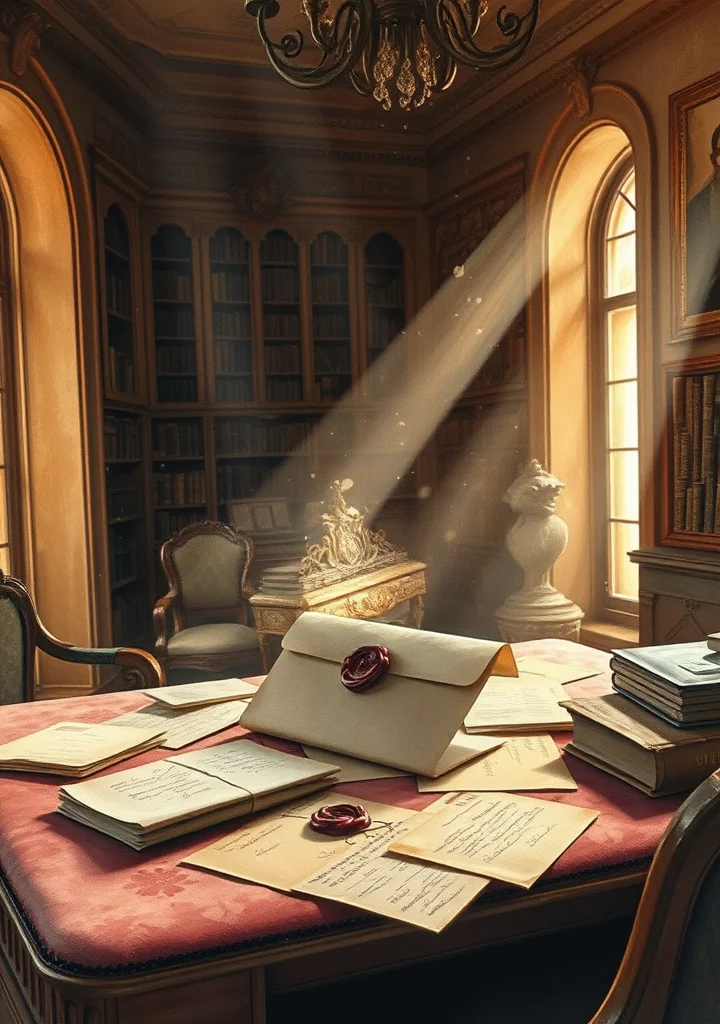
Dust motes dance in the fading light of provincial chateaux, mirroring the slow decay of ambition and the brittle fragility of hope. These letters, unearthed from forgotten bureaux and damp attics, whisper of two women bound by circumstance and the suffocating weight of societal expectation. One, a bride purchased for lineage, haunted by the spectral echoes of a loveless marriage. The other, a bride of convenience, her youth traded for the preservation of a crumbling estate. The narrative unfolds not in grand pronouncements, but in the tremor of a penned word, the bleed of ink mirroring the slow erosion of their spirits. Each missive is a fragment of a fractured life, stained with the bitter residue of betrayal, the chill of isolation, and the gnawing desperation for a love that exists only in the shadowed corners of their dreams. A pervasive melancholy clings to the pages, thick as the fog that shrouds the ancestral homes. The air hangs heavy with the scent of dying roses and the unspoken resentments that fester beneath layers of silk and lace. The landscapes—bleak vineyards, crumbling manors, and the oppressive silence of shadowed forests—become extensions of the women's internal landscapes: barren, desolate, and haunted by the ghosts of promises broken. The letters themselves are not merely communication, but desperate pleas cast into a void, each echoing with the chilling realization that they are trapped within a labyrinth of obligation and despair, their fates inextricably intertwined with the decaying grandeur of a bygone era.
38 Part
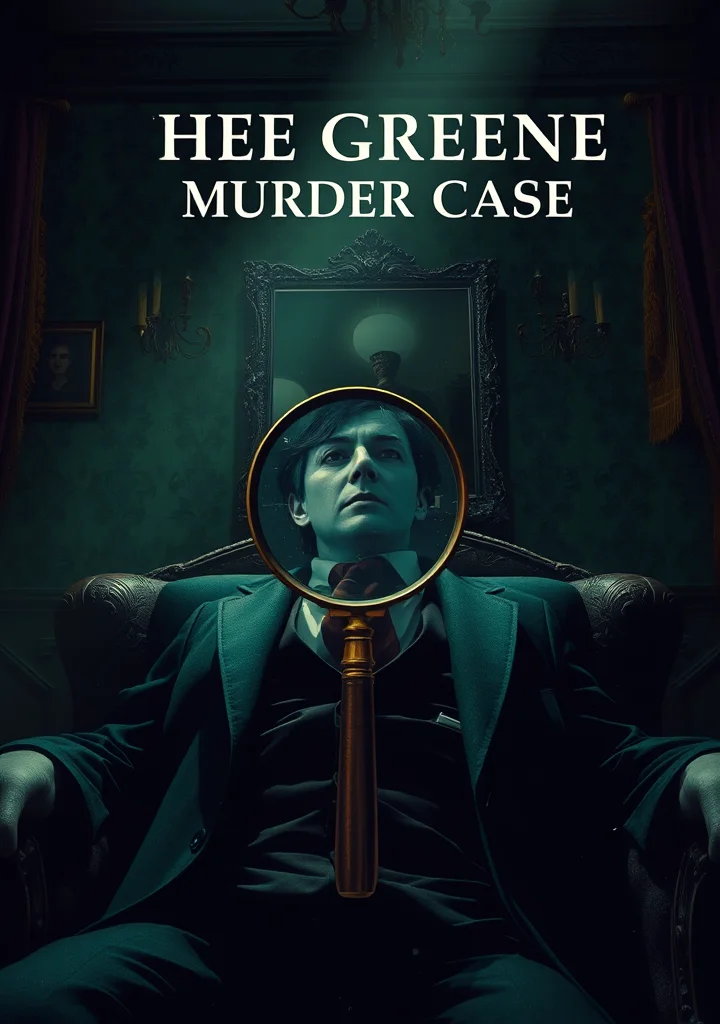
A suffocating fog clings to the opulent, yet decaying, mansions of post-war New York, mirroring the secrets festering within the Greene family. Within the suffocatingly ornate parlor, a labyrinth of shadowed furniture and dust-motes dancing in weak lamplight, lies the cold, rigid form of the millionaire, Simon Greene. The air itself tastes of old money, bitter regret, and the metallic tang of recent violence. Every polished surface reflects a fractured glimpse of the household—a brittle matriarch draped in mourning silks, a volatile son haunted by gambling debts, a niece with eyes like chipped emeralds, and a devoted secretary who whispers too softly to be believed. The investigation unravels not as a hunt for a killer, but as an excavation of a family’s rot. Each room breathes with suppressed resentments, each object—a misplaced letter, a chipped porcelain doll, a forgotten scent—becomes a morbid clue in a danse macabre of deceit. The narrative clings to the shadows like a creeping vine, thickening with the weight of unspoken accusations and the suffocating pressure of societal expectations. A relentless, almost clinical unraveling of alibis occurs, but the true horror isn't the method of murder, but the chilling realization that every member of this gilded cage possessed both motive and opportunity, their lives woven into a tapestry of suffocating desperation. The Greene house itself is a silent witness, its very architecture seeming to conspire to keep its secrets buried beneath layers of privilege and decay.