Echoes of Time
  • 91
  • 0
  • 17
  • Read 91
  • 0
  • Part 17
Completed, First published Jun 28, 2026

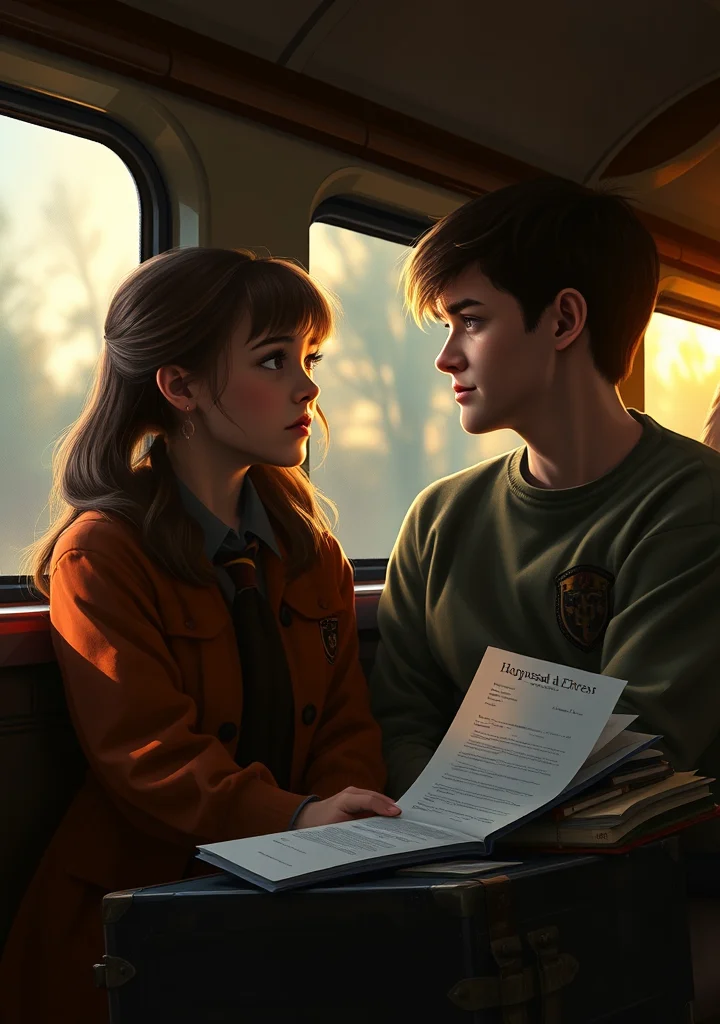
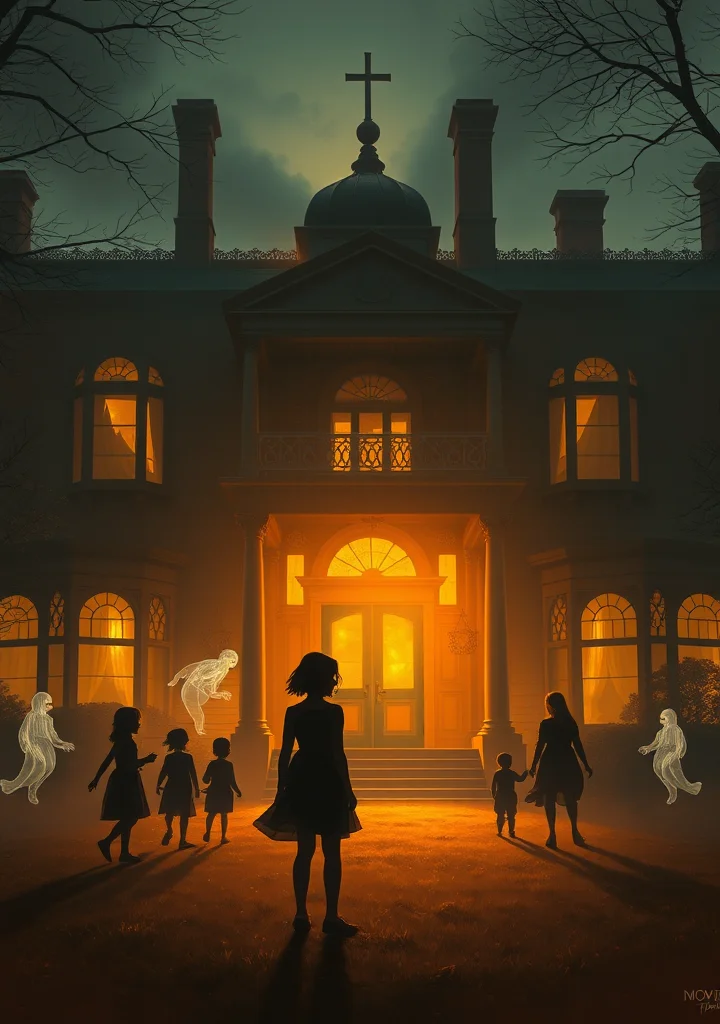
The novel follows Tom’s arrival at a bustling Potter family home, where he navigates a lively household filled with cousins and friends. These chapters reveal a world of energetic teenage dynamics as Tom attempts to integrate into a chaotic, welcoming environment. As the story unfolds, playful mischief arises as children explore the house late at night, revealing generational differences in language and behavior. Unexpectedly, a group of children claiming to have traveled through time appears during a Yule celebration, disrupting the festivities and sparking conflict. The narrative traces the adults’ attempts to understand this chaotic influx of youth from different eras.
Copyright: All Rights Reserved
No person is allowed to use, redistribute, or modify your work in any form without your explicit permission.
Recommended for you
51 Part
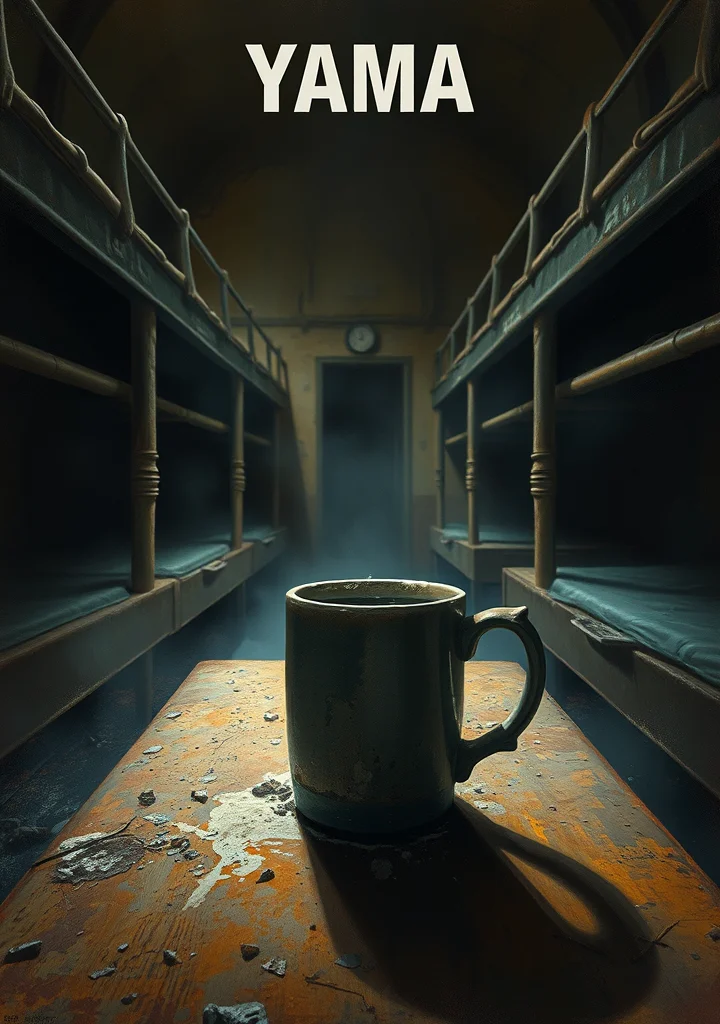
A suffocating heat clings to the pages, thick with the dust of forgotten gods and the scent of brine. Kuprin’s *Yama* doesn’t offer a narrative of simple prisons, but of a slow, deliberate drowning in the stagnant pools of human desperation. The barracks, a festering wound in the heart of a decaying empire, breathe with a life of their own—a malignant sentience born of brutality and boredom. Each man within, a fractured shard of a broken world, is bound not by iron and stone, but by the weight of their own failures, each transgression a silent, festering rot. The prose itself is a mire, pulling you down into the rankness of the guardhouse’s perpetual twilight. There’s no escape, not even in the fevered dreams of the condemned. The air vibrates with the low hum of simmering violence, the casual cruelty a constant, gnawing ache. It isn’t a story of *what* happens, but *how* it feels—the slick, metallic taste of fear on the tongue, the way the shadows stretch and contort into mocking faces. The faces themselves are ghosts, hollowed by regret and the gnawing certainty of oblivion. This isn't a tale of justice, or even injustice, but of a surrender to the inevitable, the slow dissolution of self within the suffocating geometry of the barracks. The walls weep with the stories of men swallowed whole by their own despair, and the stench of their decay lingers long after the last page is turned. The novel doesn't merely show you the darkness; it forces you to breathe it.