
Perdón de pasillo
  • 10
  • 0
  • 2
  • Read 10
  • 0
  • Part 2
Ongoing, First published May 24, 2026

Esta novela sigue a Cole mientras navega por las ansiedades de regresar a la escuela después de una suspensión, lidiando con la culpa por acciones pasadas y temores de juicio. La narrativa rastrea sus intentos de lidiar con el aislamiento y el odio a sí mismo, apoyado por una tía distante pero comprensiva. Los primeros capítulos describen dinámicas sociales incómodas, incluida una incómoda asociación para un proyecto de historia y una tensa confrontación con un compañero de equipo por un almuerzo robado..
Copyright: All Rights Reserved
No person is allowed to use, redistribute, or modify your work in any form without your explicit permission.
Recommended for you

25 Part
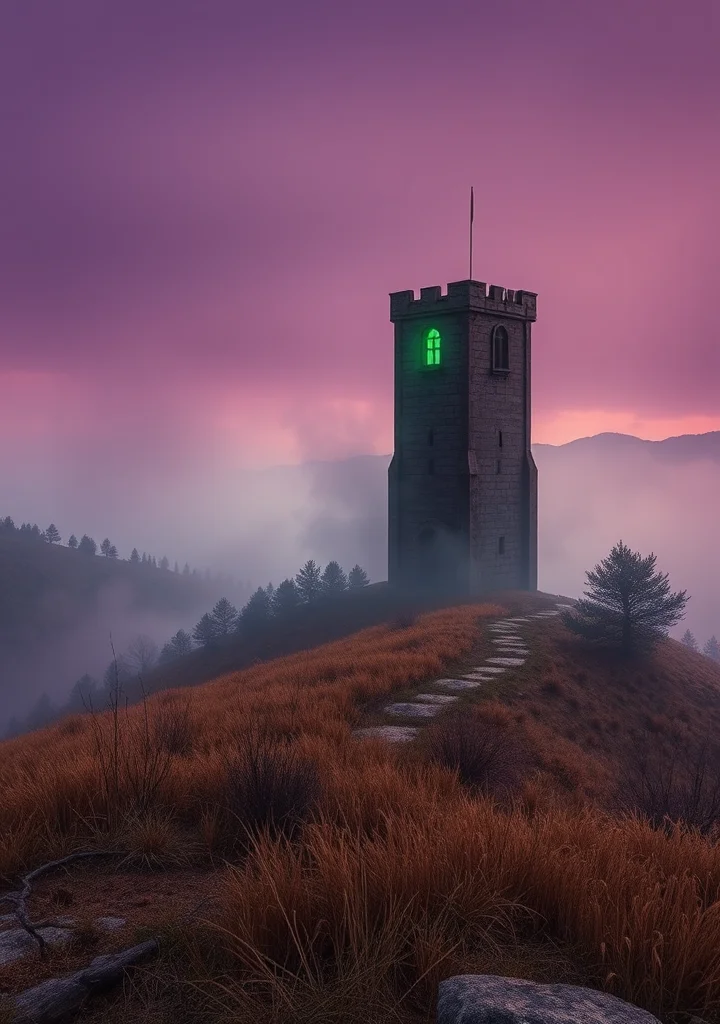
A creeping dread clings to the Balkan foothills, a suffocating miasma of suspicion and shadowed allegiances. Buchan’s narrative unfolds not in grand castles or crumbling abbeys, but in the sun-bleached dust of a world poised on the precipice of war, yet haunted by something older, something woven into the very stones of the mountains. The air tastes of gunpowder and pine needles, but beneath it, a sickly sweetness—the rot of a conspiracy festering in the heart of Europe. The protagonist moves through a landscape of simmering religious fervor and clandestine deals, perpetually shadowed by the knowledge that every smile masks a betrayal. The beauty of the countryside is a deceptive shroud for the ancient, unforgiving loyalty of the tribesmen, their faces carved with the secrets of generations. A sense of claustrophobia grips the reader as the story descends into the labyrinthine alleys of Belgrade and the remote monasteries clinging to the cliffs. Every encounter feels weighted with the potential for violence, every silence echoing with unseen threats. The narrative doesn’t rely on overt horror, but on the insidious erosion of trust, the growing paranoia that clings to the protagonist like a shroud. The green mantle of the mountains isn’t a promise of refuge, but a camouflage for a darkness preparing to descend, obscuring the line between the living and the ghosts of those who have already succumbed to the region’s ancient, unforgiving heart.
22 Part
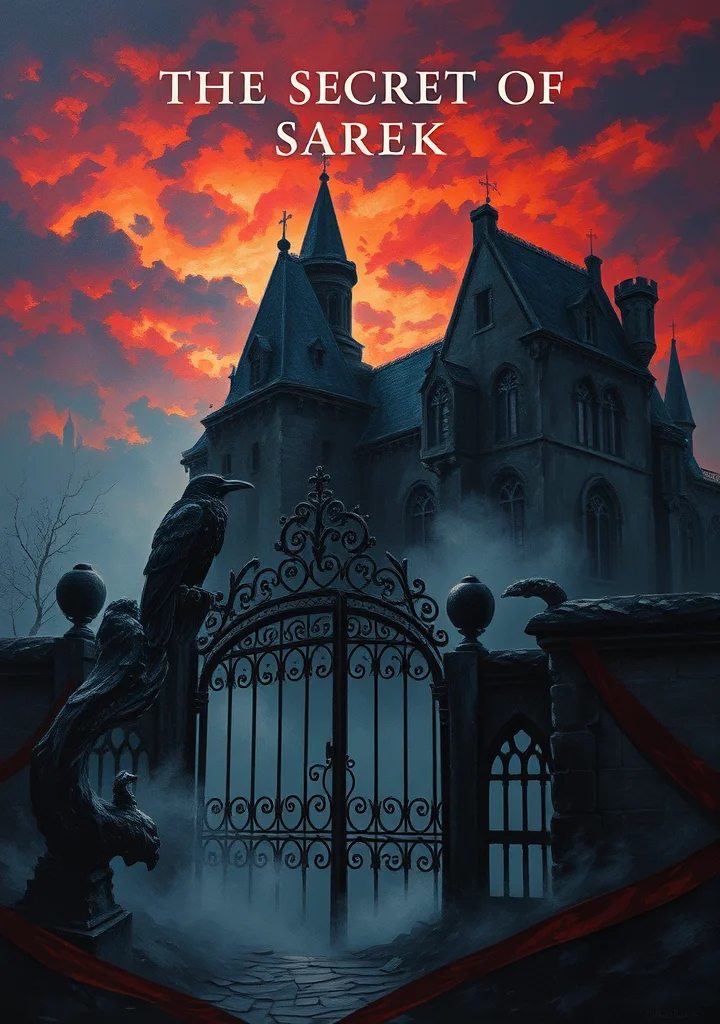
A creeping dread clings to the crumbling chateau of Sarek, a fortress of shadows etched against the bruised twilight of the Ardennes. Within its suffocating stone embrace, generations have vanished, swallowed by whispers of a lineage cursed by a raven’s prophecy. Leblanc weaves a tale steeped in the scent of decay and the chill of ancestral guilt. The narrative unfolds through fragmented journals and desperate letters, each page stained with the ink of obsession and the dust of forgotten rites. Sarek isn't merely a place, but a contagion—a slow erosion of sanity born from the weight of secrets buried in its peat-blackened foundations. The estate’s sole heir, a man haunted by visions mirroring his ancestors' fates, unravels a history woven from illicit love, blasphemous bargains struck with the forest’s ancient entities, and the agonizing price of immortality. The air itself seems to conspire against the living, thick with the rustle of unseen presences and the echoing cries of those claimed by Sarek’s insatiable hunger. Every room breathes with the ghosts of its past, and the labyrinthine corridors offer not escape, but a deeper descent into the heart of a darkness that predates the chateau’s very stones. The truth, when it finally claws its way to the surface, is less a revelation than a festering wound—a testament to the monstrous legacy bound to Sarek’s soil, and the insidious corruption that blooms in the silence between breaths.