
Armageddon 2419 A.D.
  • 245
  • 0
  • 12
  • Read 245
  • 0
  • Part 12
Completed, First published Mar 02, 2026

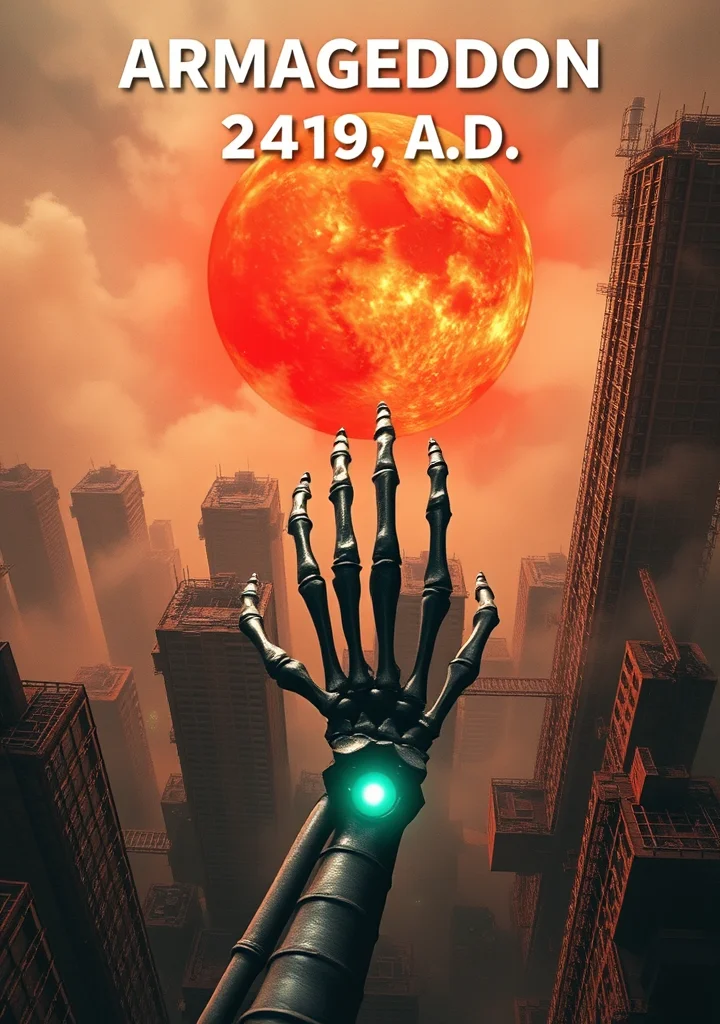
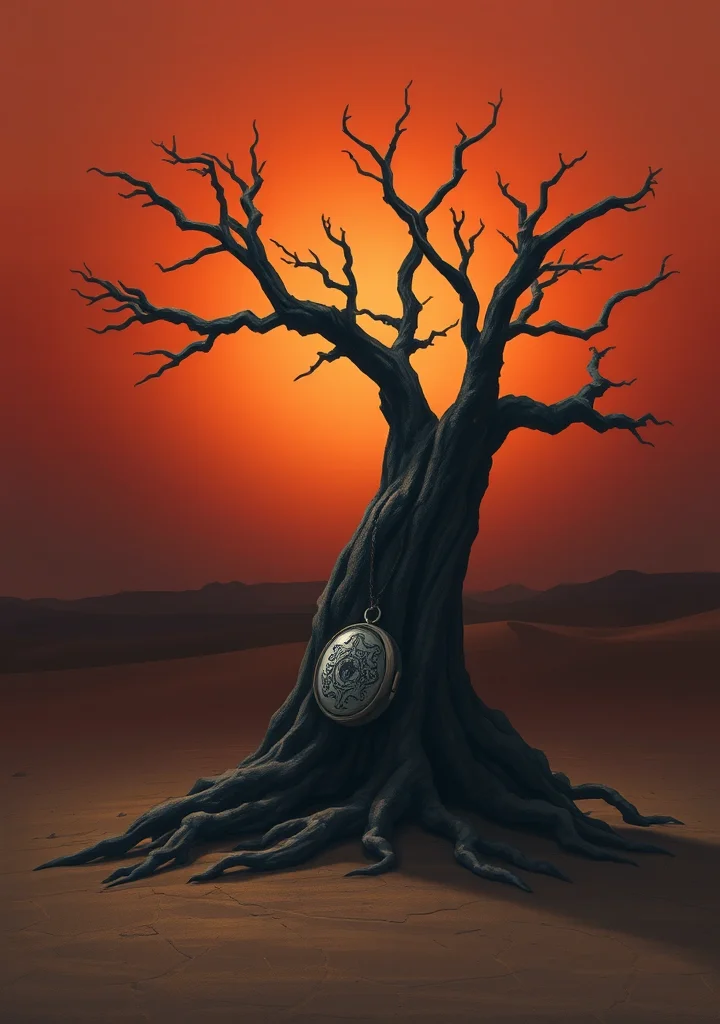
Dust-choked cities rise from the cracked earth under a perpetual crimson sun. The air itself tastes of ash and regret. This is not a future of chrome and speed, but one of scavenged metal and bone-white hunger. A century after the Great Burning, the remnants of humanity cling to existence within the rusted skeletons of skyscrapers, haunted by the spectral echoes of a civilization devoured by its own ambition. The narrative breathes with the grit of crumbling concrete and the whisper of sandstorms carving new canyons into forgotten streets. Every shadow holds the promise of raiders, or worse – the mutated remnants of a scientific hubris that birthed creatures born of fire and despair. A suffocating dread clings to every page, a sense of irrevocable loss that bleeds from the text like the rust from a broken weapon. The narrative unfolds in fragments, glimpsed through the haze of memory and desperation, mirroring the fractured world it depicts. It is a world where hope is a flickering ember, guarded by the desperate few who remember a sky that wasn’t stained red. The silence between chapters is filled with the gnawing of rats and the distant howl of something *wrong* in the wastes. This is a future built on the ruins of a broken promise, and steeped in the metallic tang of decay.
Copyright: Public Domain
This license allows anyone to use your story for any purpose, including printing, selling, or adapting it into a film freely.
Recommended for you
129 Part
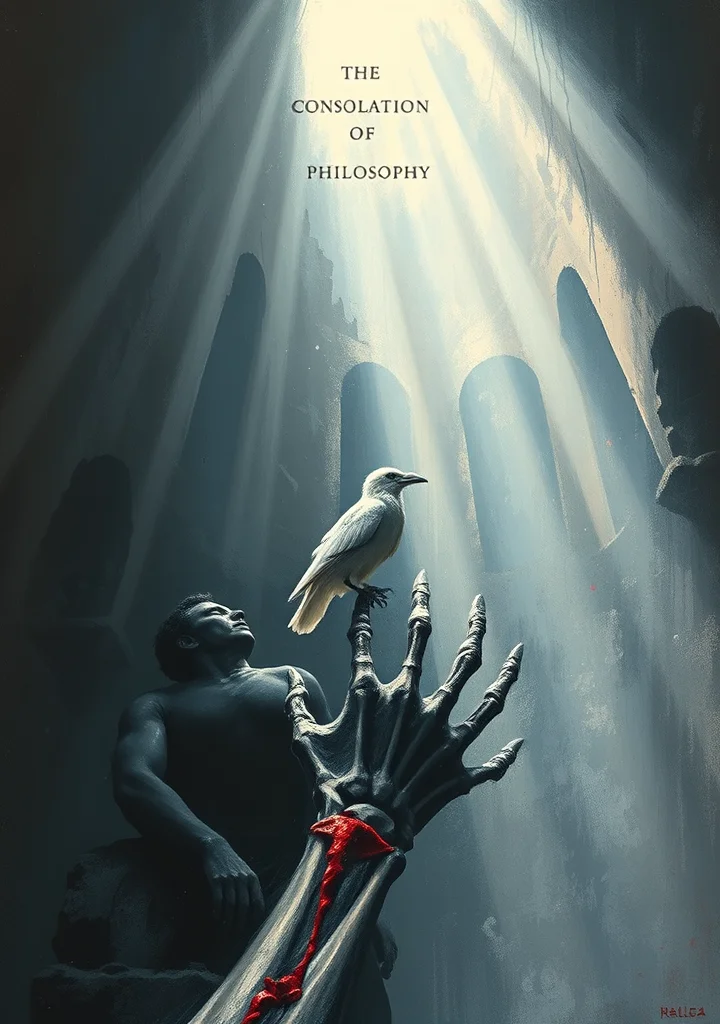
Dust motes dance in the fractured light of a crumbling tower, mirroring the fragments of a life shattered by exile and betrayal. Within these stone walls, a man—once a pillar of power, now stripped bare—grapples not with chains or bars, but with a grief that threatens to swallow him whole. He is haunted by the swift, cruel fall from grace, the whispers of accusations echoing in the hollows of his despair. But solace, or a twisted mockery of it, comes in the form of a spectral presence—Philosophy herself, a woman woven from starlight and sorrow, her voice a chilling balm against the wounds of the world. She leads him through labyrinthine corridors of thought, where reason battles with the phantom pain of loss. The air is thick with the scent of decay, both of the body politic and the soul. Visions of fortune’s wheel—a cruel, spinning device—loom large, showcasing the ephemeral nature of earthly power. Each argument, each carefully constructed verse, feels less like a comforting embrace and more like the cold touch of inevitability. The narrative is steeped in the grey of twilight, a perpetual autumn where every leaf falling is a reminder of what is lost. It is a meditation on the nature of good and evil, not as grand battles, but as insidious erosion, a slow poisoning of the spirit. The reader is drawn into a claustrophobic space where the only escape is through the labyrinth of the mind, where the architecture of despair is both beautiful and terrifying. Ultimately, the question lingers: is this consolation a true refuge, or merely a gilded cage built around a broken heart?
21 Part
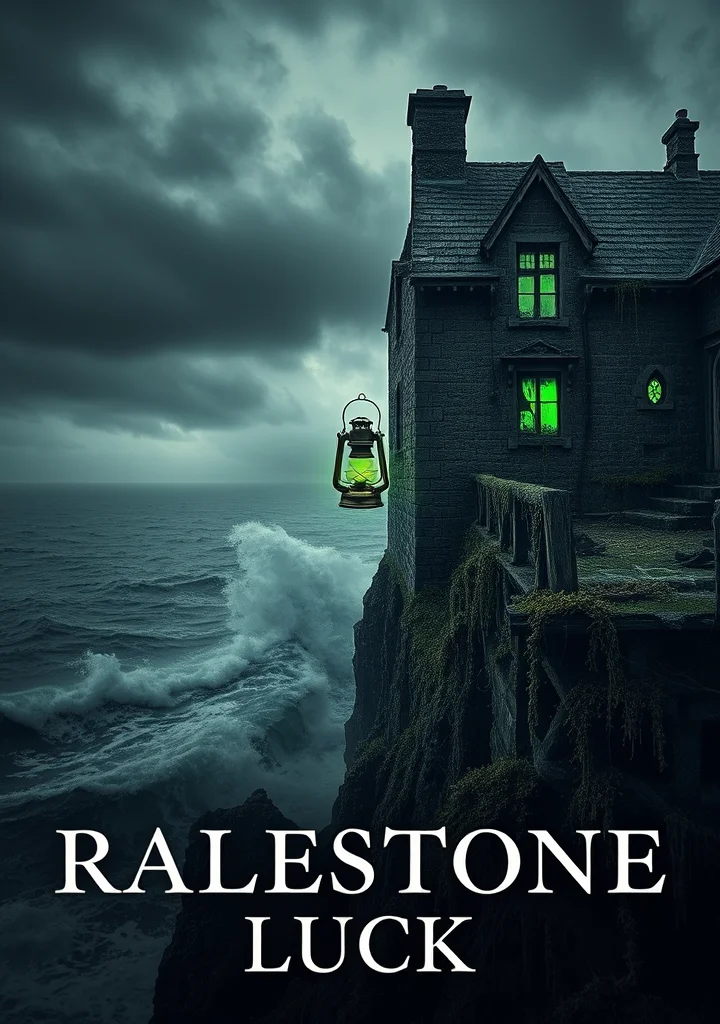
The crumbling Ralestone manor clings to the cliffs like a barnacle to a drowned wreck, perpetually shadowed by the bruised grey sky of the Northumbria coast. Within its damp stone walls, a legacy of misfortune doesn't merely linger, it *breathes*. Old Man Ralestone, they say, made a pact with the sea – trading generations of his family's prosperity for dominion over the treacherous currents. Now, his descendants inherit not wealth, but a creeping dread, a sense of being watched by something ancient and cold rising from the foam. The estate is choked with gnarled hawthorn and choked whispers of drowned sailors. Every high tide seems to drag a fragment of Ralestone's past – a chipped porcelain doll, a rusted fishing hook, a fragment of bone – to the shore. The manor house itself feels less like a dwelling and more like a lunging beast, its corridors twisting into labyrinthine shadows. A chilling, salt-laced wind howls through the empty hearths, carrying the echoes of broken promises and the scent of decay. Each room holds a portrait of a Ralestone, their faces gaunt and haunted, their eyes holding the same haunted recognition of a slow, inevitable sinking into the sea's grasp. The luck isn’t about winning or losing fortunes, but surviving until the next storm washes away another piece of the family’s sanity, leaving only the stones to remember their names. The very air is thick with the weight of a heritage that is not merely cursed, but *claimed* by the ocean’s hungry embrace.
73 Part
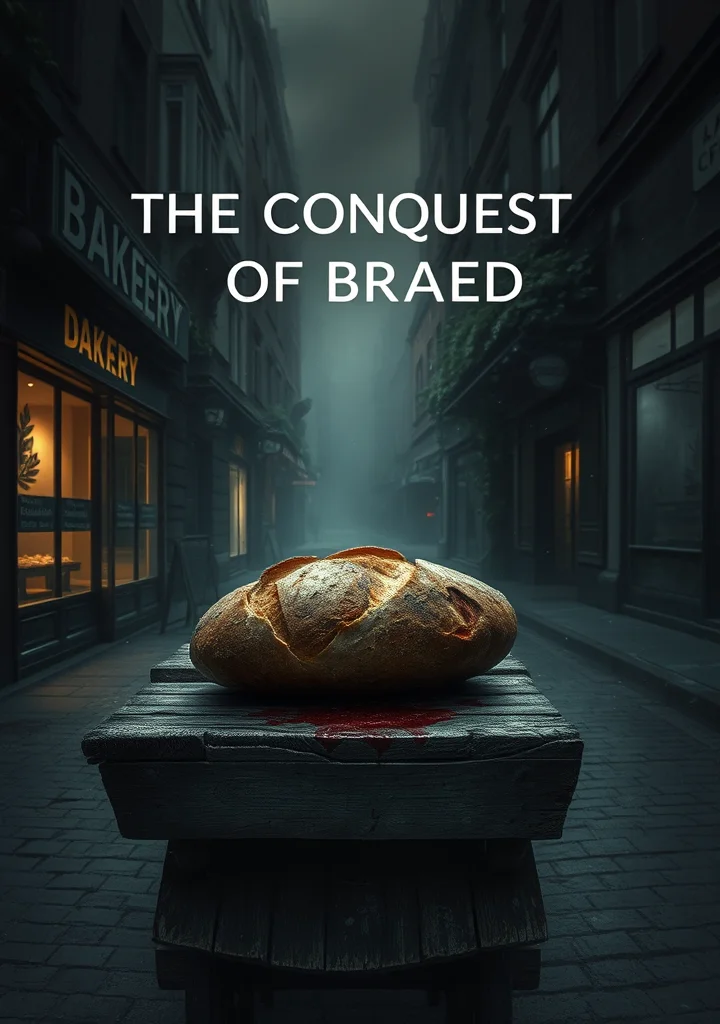
Dust motes dance in the perpetual twilight of abandoned mills and shadowed bakeries. A creeping dread clings to the cobblestones, not of starvation’s gnaw, but of a cold, methodical dismantling of habit. This is not a tale of revolution’s fire, but of its slow, fungal growth within the bones of a dying world. Kropotkin’s vision isn’t one of barricades and blood, but of a silent, relentless erosion of ownership, a reclamation not through violence, but through the ghostly presence of communal need. The narrative exhales a peculiar stillness, like a mausoleum filled with the scent of rising dough and the whispers of forgotten hands. Each chapter unfolds as a spectral blueprint of a possible future, sketched in the dim light of necessity. It’s a world where the boundaries between labour and leisure dissolve into a perpetual, aching grey, where the very act of sharing becomes a haunting ritual. There's a chilling beauty in the prose, a meticulous accounting of resources that feels less like instruction and more like an incantation. The atmosphere is one of damp earth, the metallic tang of tools left to rust, and the unnerving quietude of fields yielding not to a lord, but to the communal breath of those who understand the earth’s yielding is not conquest, but communion. The book doesn’t promise liberation, it presents a slow, unsettling haunting of the old order, a creeping tendril of possibility that leaves one wondering if the ghosts of hunger have finally found their bread.