
The Thirty-Nine Steps
  • 219
  • 0
  • 10
  • Read 219
  • 0
  • Part 10
Completed, First published Mar 02, 2026

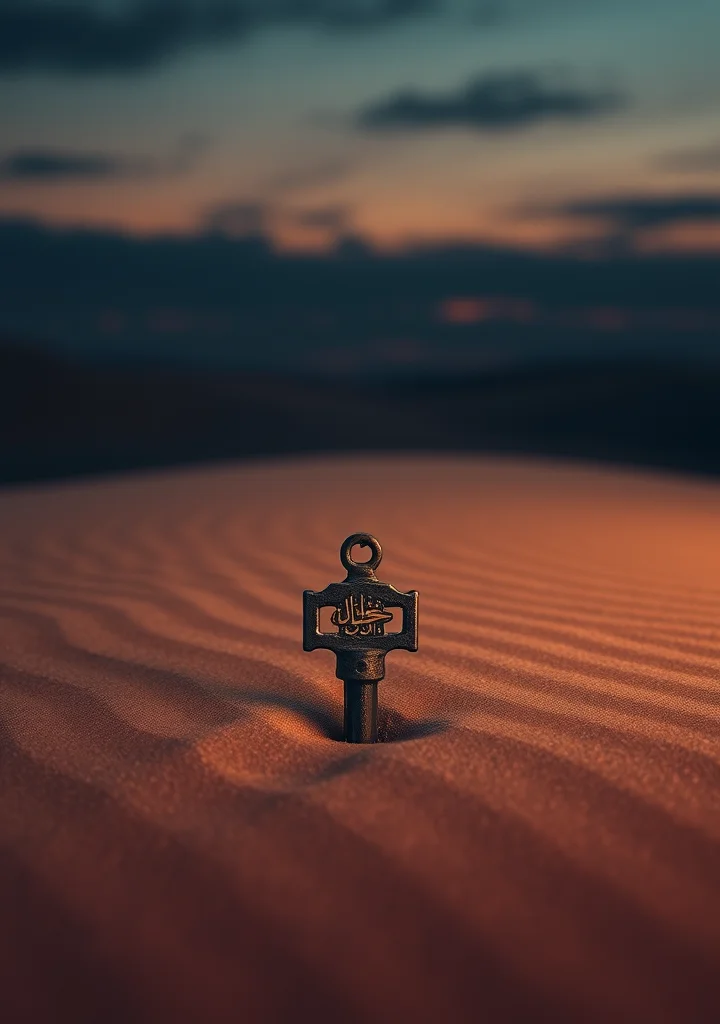
A creeping dread clings to the Scottish Highlands, a landscape mirrored in the fractured sanity of a nation bracing for unseen war. The narrative unfolds not as a triumphant chase, but as a suffocating descent into paranoia. Every moor, every stone cottage, breathes with the scent of betrayal. Buchan doesn’t offer adventure; he delivers a relentless, creeping unease as Richard Hannay, stripped of identity, flees a phantom conspiracy. The pursuit isn’t merely across miles, but through layers of doubt, each footstep echoing with the weight of a stolen secret. Fog-choked villages become mausoleums of suspicion, where every face is a mask and every kindness a potential snare. The narrative is less about catching a criminal, and more about the chilling erosion of trust, a tightening vise of fear that squeezes the breath from the very soil of England. The steps themselves aren’t merely numbered, but are the measured cadence of a man losing himself within a labyrinth of shadows, haunted by the specter of a nation’s collapse and his own complicity in averting it. A darkness lingers long after the final chase, a cold echo of what might have been.
Copyright: Public Domain
This license allows anyone to use your story for any purpose, including printing, selling, or adapting it into a film freely.
Recommended for you
40 Part
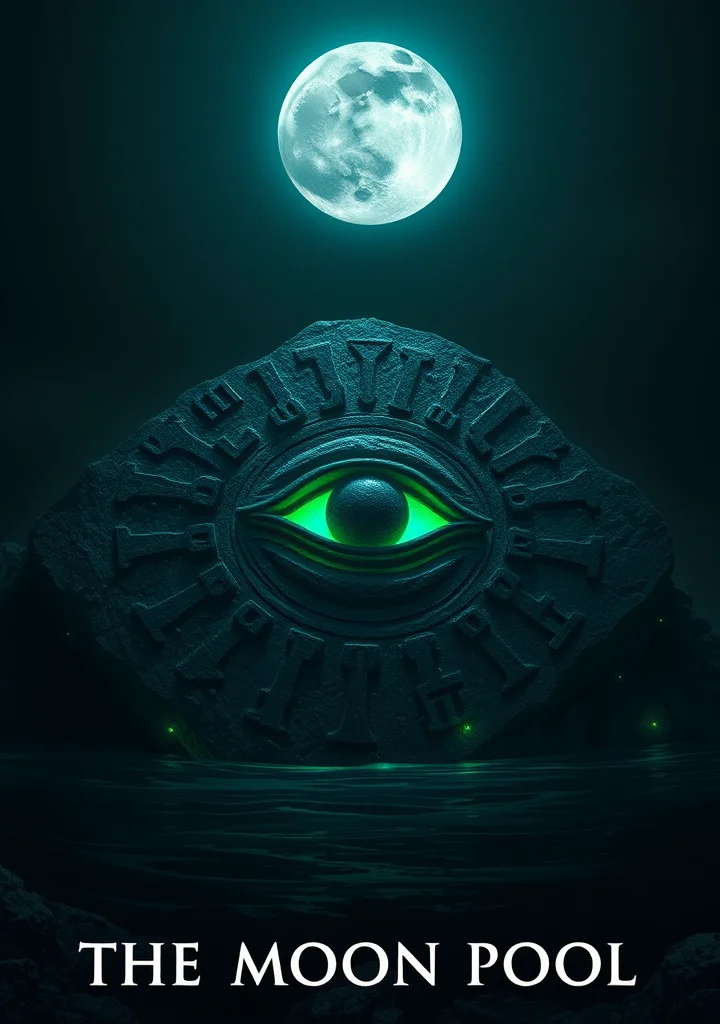
Beneath a cyclopean stone, older than continents, lies a darkness mirroring the abyss of prehistory. Merritt’s Moon Pool is not merely a story of exploration, but a descent into a primeval nightmare sculpted from living rock and phosphorescent decay. The air hangs thick with the scent of brine and something ancient, something *wrong*—a fragrance of cyclopean carvings and the echoing cries of creatures birthed from lunar madness. Here, where the sun’s touch feels like a violation, the narrative clings to the slick, obsidian walls of a cavern carved by hands that predate humankind. A creeping dread permeates every passage, as the protagonists, drawn by obsession and the promise of immortality, find themselves swallowed by a world where the boundaries between dream and reality dissolve. The Pool itself pulses with a sickly luminescence, a beckoning grave for those who dare to gaze upon its depths. The architecture is less built than *grown*, a calcified labyrinth of forgotten gods and the skeletal remains of civilizations consumed by the stone. It is a place where the echoes of screams mingle with the rhythmic drip of water, and where the only certainty is the suffocating weight of the moon’s cold, unblinking gaze. Every shadow conceals something monstrous, every silence harbors the breath of something utterly alien. The narrative unfolds not as a progression, but as a slow, agonizing erosion of sanity, mirroring the slow dissolution of the explorers into the very stone that birthed their doom.
34 Part
A creeping dampness clings to the shadowed corners of the Winslow household, a chill not of the season but of a grief-worn legacy. The very stones seem to exhale sorrow with each rustle of the overgrown gardens. Pollyanna, a fragile bloom thrust into this withered estate, doesn’t merely enter, but *infests* the space with a light that feels less divine and more… insistent. It’s a warmth that doesn’t thaw, but *reveals* what was always lurking beneath the frost: the brittle bones of forgotten resentments, the choked whispers of lost hopes. Her ‘Glad Game’ isn’t joy, but an excavation. Each forced optimism feels like a splintering of something ancient and unyielding within the walls. The house itself becomes a labyrinth of unearthed wounds, each room a mausoleum holding a fragment of the Winslows’ decaying souls. The scent of potpourri and beeswax isn’t sweetness, but the cloying perfume of decay masked with desperate floral pleas. The shadows lengthen with each perceived blessing, twisting into shapes of accusation and regret. Even the children, pale moths drawn to Pollyanna’s flame, carry the weight of generations trapped within the Winslow’s suffocating embrace. It isn’t a story of finding happiness, but of witnessing a slow, beautiful unraveling, as Pollyanna doesn't heal the house, but *becomes* its haunting echo. The final revelation isn't of joy found, but of the monstrous, beautiful thing that blooms in the darkness when hope is stretched too thin.