
Gotham's Weight
  • 25
  • 0
  • 5
  • Read 25
  • 0
  • Part 5
Completed, First published May 09, 2026

The narrative traces a desperate attempt to restore balance after a dimension-creating experiment spirals into multiversal collapse. Thrust into a Gotham City not of her own making, the narrator finds herself entangled with Bruce Wayne and the next generation of Bat Family heroes. Claiming a fabricated pregnancy to gain access to Wayne Manor, she soon finds herself embroiled in accusations and questioning. As the stakes escalate, she reveals a terrifying truth: she possesses the power to create—and destroy—entire universes, a burden that threatens to unravel the very foundations of their reality. The chapters available hint at a tense confrontation fueled by skepticism and the weight of unimaginable responsibility.
Copyright: All Rights Reserved
No person is allowed to use, redistribute, or modify your work in any form without your explicit permission.
Recommended for you
30 Part
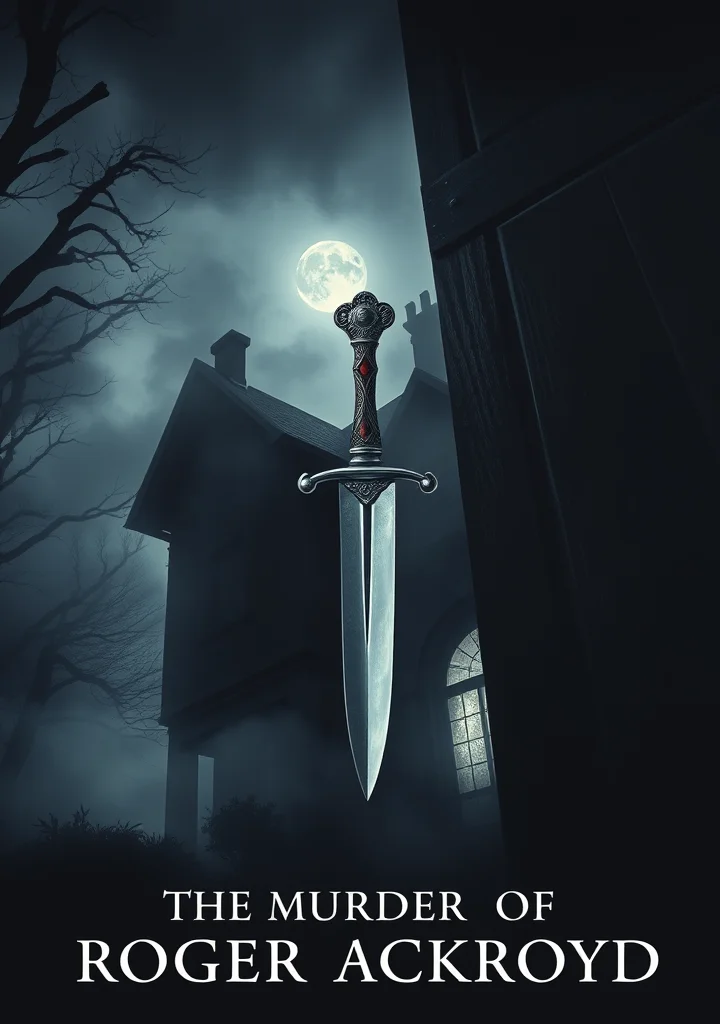
A creeping fog clings to the village of King’s Abbots, mirroring the suffocating secrets held within its shadowed lanes. The late Roger Ackroyd, a man of standing, lies dispatched with a silver dagger in his study – a room thick with the scent of old money and unspoken dread. But the true horror isn’t the act itself, but the confession whispered to a bewildered Dr. Sheppard, a man now bound by a pact of silence, a complicity that chills him to the bone. The house itself breathes with a stifled history, each antique object a witness to the decaying morality of its inhabitants. Whispers follow Sheppard through the darkened hallways, hints of illicit affairs, concealed debts, and the simmering resentments of a household poised on the brink of collapse. Every face observed through the leaded windows is a mask concealing a hidden motive. The investigation is a descent into a labyrinth of deception, where the truth is buried beneath layers of polite society and the weight of unconfessed sins. A sense of decay permeates every interaction, a sense that the very foundations of this idyllic village are riddled with rot. The reader is drawn into the suffocating grip of a narrative where every conversation feels like a carefully constructed lie, and the final revelation will leave a lingering chill long after the last page is turned. The darkness doesn’t come from the crime, but from the monstrous humanity that orchestrated it.
37 Part
Dust motes dance in the perpetual twilight of shadowed parlors, mirroring the fractured reflections within Hazlitt’s prose. *Table-Talk* isn’t merely conversation; it is the exhumation of ghosts—not those of the dead, but of ideas, regrets, and the slow, corrosive decay of London society. Each essay, a chipped shard of a broken looking-glass, reveals a distorted portrait of the age, haunted by the specter of its own vanities. The voice is brittle, intimate, as if overheard through a crack in the wall, a feverish monologue delivered in the gloom. There’s a pervasive chill—not of winter, but of disillusionment—that seeps into the marrow of the sentences. The author dissects, not with surgical precision, but with the casual cruelty of a man tracing the lines of a skull. He lingers over the grotesque, the absurd, the moments where public spectacle curdles into private despair. A sense of claustrophobia clings to the pages; the air thick with the scent of stale tobacco and forgotten grievances. The narrative is less a journey than a slow unraveling—a descent into the labyrinth of the author’s own melancholic temperament. One feels the weight of unspoken histories, the oppressive silence of unacknowledged debts. It’s a book for those who find comfort not in illumination, but in the shadowed corners of the world, where the whispers of the past cling to the velvet curtains and the cobwebs of the mind. The final impression is one of being left alone in a decaying library, surrounded by the ghosts of conversations long since ended, and the haunting realization that every table has its own secret, and every voice, its own void.