
The Spy in Black
  • 517
  • 0
  • 27
  • Read 517
  • 0
  • Part 27
Completed, First published Mar 02, 2026

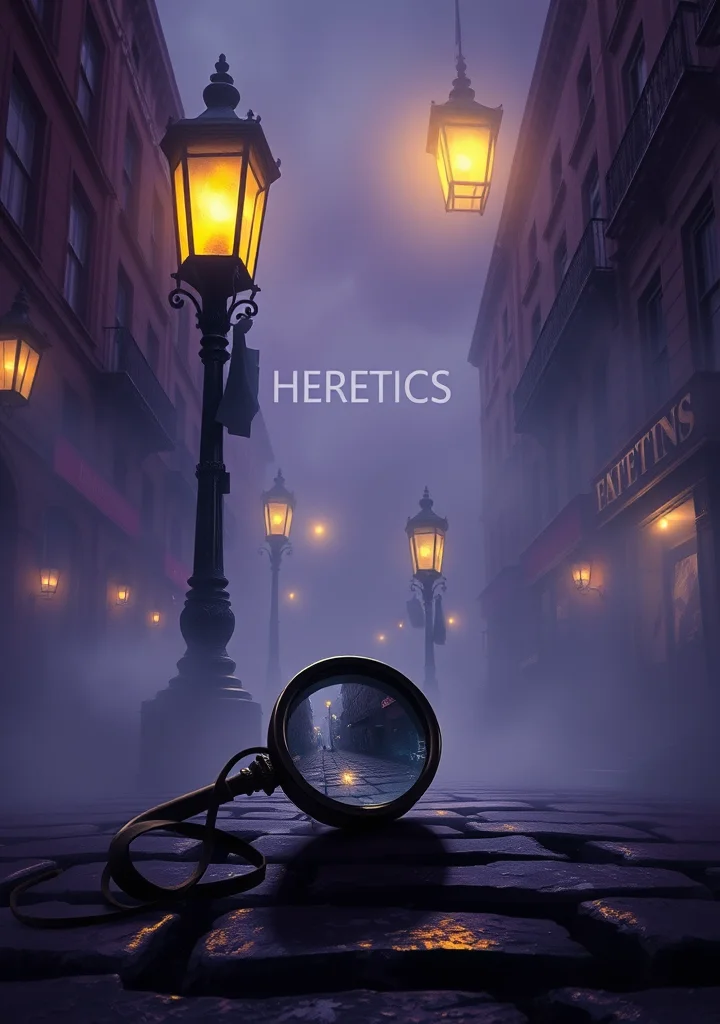
A suffocating fog clings to the cobbled streets of a nameless European city, mirroring the secrets that fester within its shadowed alleys. The narrative unfolds through fractured accounts, whispered confessions, and the chillingly precise observations of a man perpetually shrouded in darkness – a phantom known only as “The Spy.” He is a collector of whispers, a broker of anxieties, and a master of disguise whose motives are as murky as the canals he haunts. Every encounter is a calculated betrayal, every shadow a potential accomplice. The air is thick with paranoia, each doorway concealing a network of deceit. Clouston doesn’t deal in grand spectacle, but in the insidious creep of suspicion—a gradual erosion of trust where identity itself becomes a fragile construct. The story isn’t *what* is being plotted, but *how* it feels to live under the weight of unseen eyes, the constant fear of exposure. A melancholic dread permeates the chapters, a sense of inevitability that clings to the damp stone walls and decaying grandeur. The Spy’s movements are mirrored by the descent of his targets into madness and desperation. The novel isn’t simply read; it’s inhaled, a slow poisoning of the imagination that leaves one questioning the solidity of reality long after the final page is turned. It’s a suffocating, claustrophobic study of obsession, where the line between hunter and hunted dissolves into the oppressive darkness.
Copyright: Public Domain
This license allows anyone to use your story for any purpose, including printing, selling, or adapting it into a film freely.
Recommended for you

20 Part
A creeping dread settles over London, not of bombs or revolution, but of quiet, insidious doubt. The air hangs thick with fog and the scent of dying gaslight as a new philosophy, a heresy promising liberation through reason alone, worms its way into the hearts of men. It isn’t a rebellion of the poor, but a fracturing within the very foundations of order – a subtle erosion of belief disguised as intellectual progress. The streets themselves seem to conspire in shadow, swallowing the faces of those who dare question the old ways. A growing unease grips the city as the boundaries between sanity and sedition blur, mirroring the labyrinthine alleys where secret meetings ignite. The narrative clings to the periphery of these shadowed gatherings, a sense of impending fracture growing as the story follows men driven to the brink of madness by their own logic. The novel breathes with a sense of claustrophobic dread, a fear that isn't born of the physical but of the soul. The very architecture of London, from the echoing halls of Parliament to the grimy pubs, becomes a prison of thought. The creeping darkness isn't merely political, but a spiritual decay – a slow, suffocating suffocation of faith and tradition, leaving in its wake a chilling void where certainty once stood. The whispers of dissent become screams in the dark, and the reader is left to wander among the ruins of a world unraveling not with fire, but with the cold, precise logic of despair.
38 Part
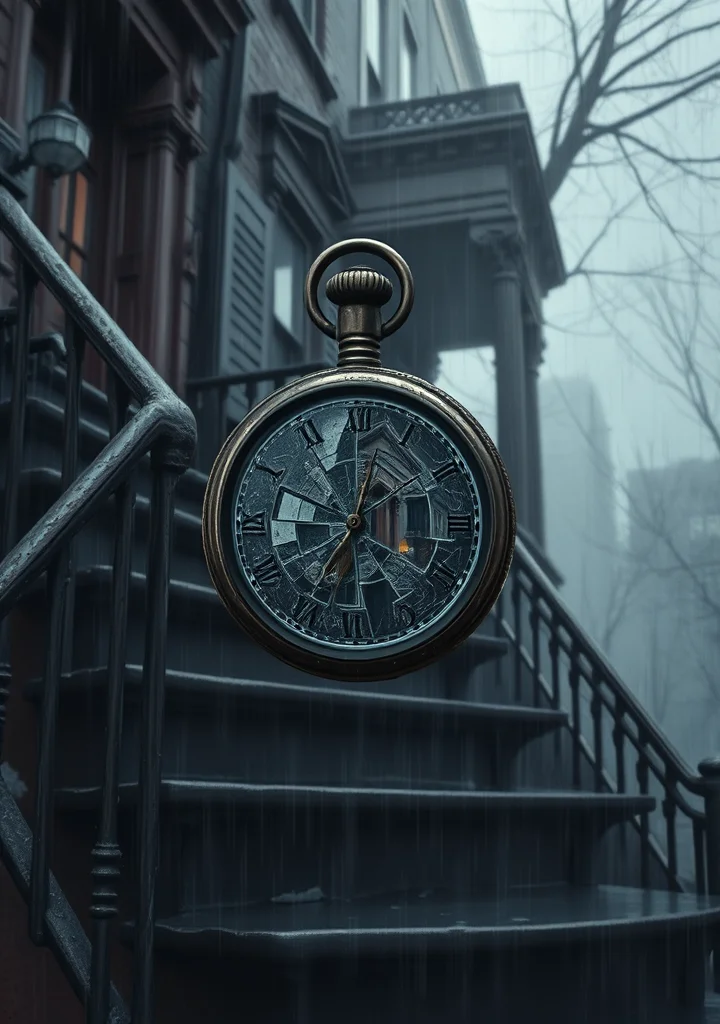
A creeping dread clings to the brownstone steps of Brooklyn Heights, thick as the November fog. Cole’s narrative unfolds not as a whodunit, but as a slow bleed of rot into the very foundations of respectability. Each murder—precise, ritualistic, and echoing with the hollow resonance of forgotten things—unearths not clues, but layers of shadowed history within the borough’s brick and iron. The investigation itself becomes a descent into a labyrinth of decaying mansions and gaslit alleys, haunted by the whispers of the dead and the suffocating weight of secrets. The air tastes of brine and old money, tainted by the metallic tang of blood. Rain slicks the cobblestones, reflecting the lamplight in fractured, spectral shapes. Witnesses are not forthcoming with answers, but with averted eyes and mumbled prayers. A suffocating sense of inevitability pervades, as if the killings are not aberrations but the inevitable culmination of a dark covenant made long ago, woven into the very fabric of the city’s ambition. The detective, haunted by visions of his own failures, walks a tightrope between sanity and the abyss, mirroring the city’s descent into a feverish, melancholic dream. Each discovered body is less a crime scene, and more a morbid tableau—a perverse echo of a past tragedy. The narrative doesn’t reveal answers, but exposes the raw, vulnerable nerve of a city built on the bones of its own ghosts, a place where the darkness doesn’t just fall, but *breathes*.