
Paired by Decree
  • 43
  • 0
  • 9
  • Read 43
  • 0
  • Part 9
Completed, First published May 14, 2026

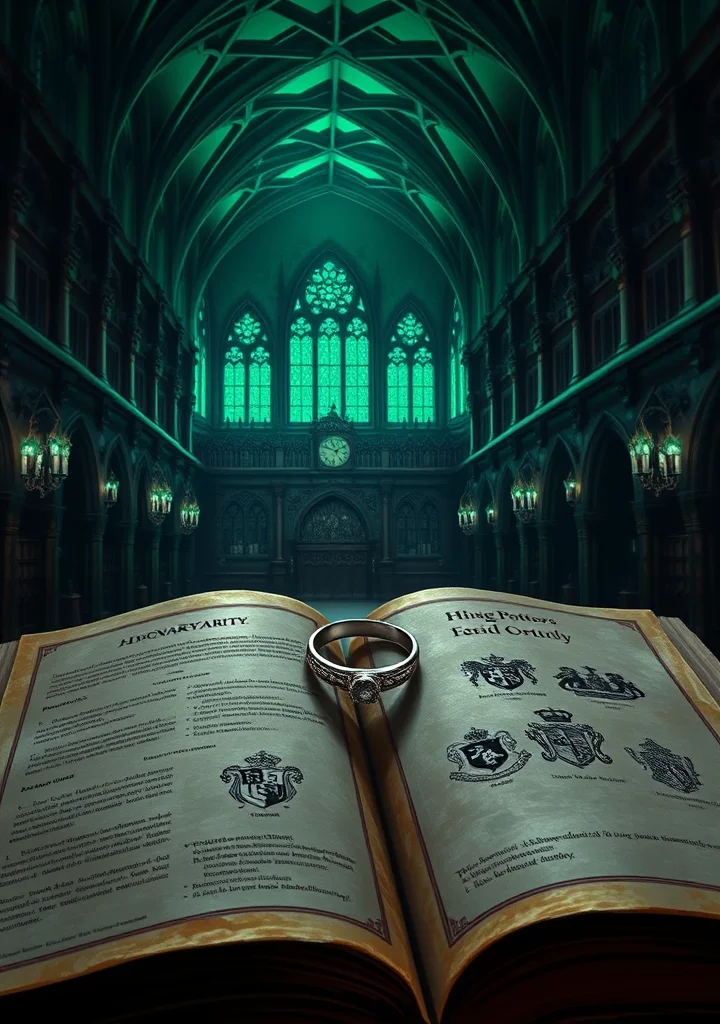
In this novel, students return to Hogwarts following a period of recovery, only to face a startling new decree: mandatory engagement and marriage to combat declining populations. The narrative traces Katherine Bright’s anxieties as she navigates this unsettling reality alongside friends like Annie. Amidst uncertainty, unexpected connections form – Katherine offers comfort to Pansy Parkinson, and finds herself the recipient of friendly attention from Blaise Zabini. These chapters reveal a world grappling with post-war trauma and the pressures of a society attempting to rebuild, all while friendships are tested and romantic desires begin to surface.
Copyright: All Rights Reserved
No person is allowed to use, redistribute, or modify your work in any form without your explicit permission.
Recommended for you
117 Part
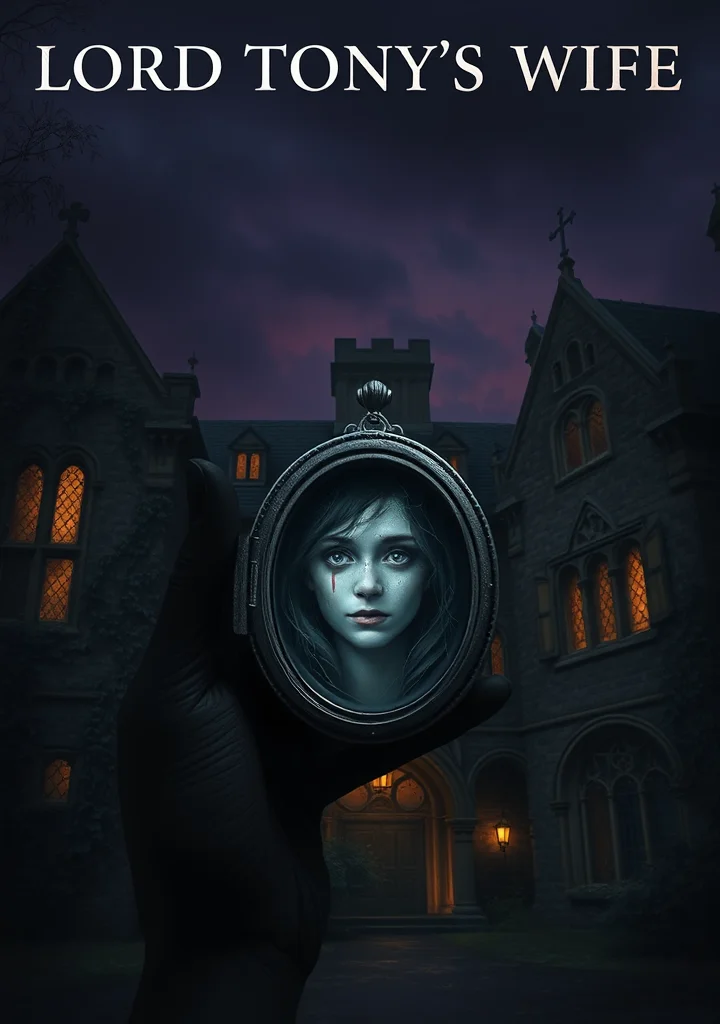
A perpetual twilight clings to Blackwood Grange, mirroring the shadowed corners of Lady Eleanor’s heart. Married to the infamous Lord Tony, a man whispered to have dealings with shadows and debts owed in crimson, she finds herself a gilded cage within his ancestral estate. The air hangs thick with the scent of decay – not just of crumbling stone and overgrown gardens, but of promises broken and lives forfeit. Each echoing footstep in the vast, labyrinthine halls hints at a history of betrayal, while the portraits lining the gallery seem to watch Eleanor’s descent into a chilling awareness of her husband’s true nature. A creeping dread permeates every room, woven into the very fabric of the house; a dread born not of ghostly apparitions, but of the suffocating weight of secrets held too long. The moorland surrounding Blackwood Grange breathes with a cold, hungry wind, carrying fragments of rumors and the cries of those lost to Lord Tony’s machinations. Eleanor is trapped within a suffocating elegance, where every smile feels like a calculated threat and every shadow a potential witness to her unraveling. The narrative unfolds like a slow poison, drawing the reader into a suffocating atmosphere of suspicion, where love is measured in bartered favors and loyalty is purchased with blood. The very stones of Blackwood Grange seem to weep with the despair of those who dared to cross Lord Tony’s path, and Eleanor’s fate hangs precariously balanced upon a single, unraveling thread of hope.
48 Part
Dust-choked canyons whisper with the ghosts of sun-scorched prayers. Within the crumbling adobe walls, the air hangs thick with the scent of piñon smoke and something older – the weight of stories carved into bone and stone. These are not tales told around hearthfires, but echoes dragged from the mouths of the dead, carried on the rasping breath of the desert wind. Cushing doesn’t offer simple myth; he peels back the layers of Zuni belief, revealing a labyrinth of shadowed kivas and star-haunted mesas. The sun bleeds crimson onto the mesas as Coyote’s trickery unravels the boundaries between worlds. Each story feels less like a recounting and more like an excavation—a digging into the earth to unearth a cold, pulsing heart of ancestral memory. The narrative is fractured, possessed by the spirit of the storyteller, a man lost in the labyrinth of the Zuni world. The beauty is brittle, laced with the desperation of a people clinging to their past as the white man’s shadow lengthens. It’s a haunting, a slow rot of tradition, observed with a scholar's detachment and yet steeped in an unnerving intimacy with the spirits of the place. The reader is not simply told of the Zuni world—they are *held* within it, gasping for air in the suffocating darkness of the kivas, and witnessing the dance of the dead under a moon of bleached bone. This is not folklore, but a descent into a ritualistic dreamscape where the line between the living and the vanished dissolves into sand.
10 Part
A creeping dread clings to the cobbled streets of early 20th century Paris, where whispers follow the phantom touch of a surgeon’s steel. The air hangs thick with the scent of ether and decay, a perfume clinging to the shadowed alleys surrounding the Hôtel-Dieu. Leblanc weaves a narrative steeped in the city’s underbelly, charting the descent of Dr. Moreau, a man haunted by his own skill. His ‘cure’ for the melancholic elite is not one of scalpel and suture, but of exquisite, hollowed-out instruments – needles designed to bleed away not blood, but *feeling*. Each patient, willingly subjected to Moreau’s morbid artistry, leaves behind a fragment of their soul, meticulously extracted and preserved in glass ampoules. The doctor’s apartment, a labyrinth of anatomical charts and gleaming tools, becomes a reliquary for stolen grief. But the echoes of their lost passions begin to bleed into Moreau’s own life, manifesting as phantom pains, spectral visions, and a gnawing hunger for the very emptiness he inflicts. The novel unfolds in a suffocating claustrophobia, a slow unraveling of sanity within the gilded cages of Parisian high society. The gas lamps flicker, casting elongated shadows that dance with the ghosts of Moreau’s victims. The hollow needle doesn’t merely pierce flesh; it unlocks a void within, a darkness that threatens to consume not just the patients, but the very heart of the city itself. It’s a tale of obsession, of the grotesque beauty of sacrifice, and the terrifying weight of a soul stripped bare.
62 Part
A creeping malaise descends with the first ascent to Berghof, a sanatorium clinging to the precipice between life and death. Not a fever dream, but a deliberate, glacial erosion of the self, orchestrated by the mountain’s insidious stillness. Here, time dilates, stretching into an eternity measured not by clocks, but by the slow, deliberate consumption of lungs and the languid unraveling of souls. The air itself is a narcotic, laced with the scent of pine and the ghosts of consumption, drawing the protagonist into a hypnotic orbit around the tubercular aristocracy of the sanatorium. Days bleed into weeks, weeks into years, punctuated only by the hollow coughs echoing through corridors, and the unsettlingly precise rituals of measurement – weight, temperature, sputum. A baroque decay permeates every surface, mirroring the rot within the bodies of its inhabitants. The mountain is not merely a backdrop, but a character, a malevolent deity presiding over a kingdom of shadows and protracted farewells. Whispers of philosophy mingle with the damp chill of mortality, as the protagonist drifts through a labyrinth of intellectual debate, drawn into the orbit of a charismatic, cynical aesthete who seems to thrive on the very sickness that defines their gilded cage. It is a descent into a hypnotic, self-imposed exile, a voluntary surrender to the beautiful, terrible weight of waiting. The world below, the world of action and ambition, becomes a fading memory, a phantom limb severed by the mountain's isolating embrace. The narrative is less a journey toward recovery, and more a meticulous charting of the boundaries of oblivion, a slow, deliberate burial within the snow-capped peaks of the self.