
Ecos vermelhos
  • 10
  • 0
  • 3
  • Read 10
  • 0
  • Part 3
Ongoing, First published May 24, 2026

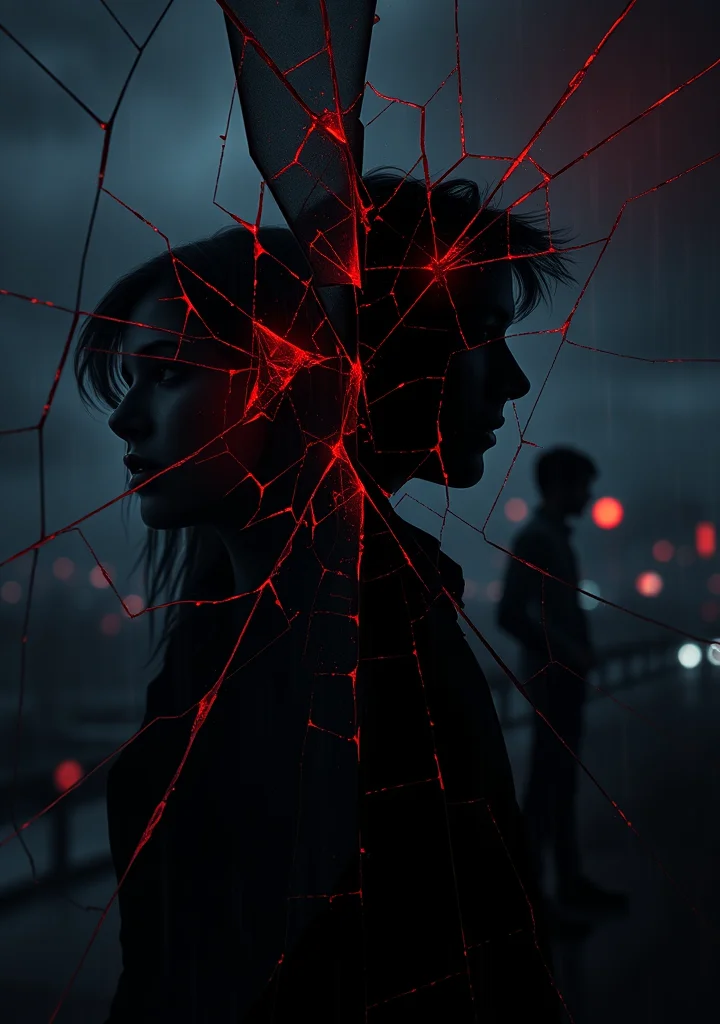
O romance *Red Echoes* segue Isla e seus companheiros enquanto navegam em uma vida construída sobre engano. Esses capítulos revelam uma tentativa desesperada de fugir de um perseguidor desconhecido – Ned – assumindo identidades falsas e se mudando com frequência. Enquanto posando como irmãos, Isla lida com a ansiedade de manter sua elaborada charada. Mais tarde, sob a proteção da WITSEC, Emma e Thomas tentam se misturar em uma nova escola, aderindo a uma rígida história fabricada por seu pai, Hankst..
Copyright: All Rights Reserved
No person is allowed to use, redistribute, or modify your work in any form without your explicit permission.
Recommended for you

35 Part
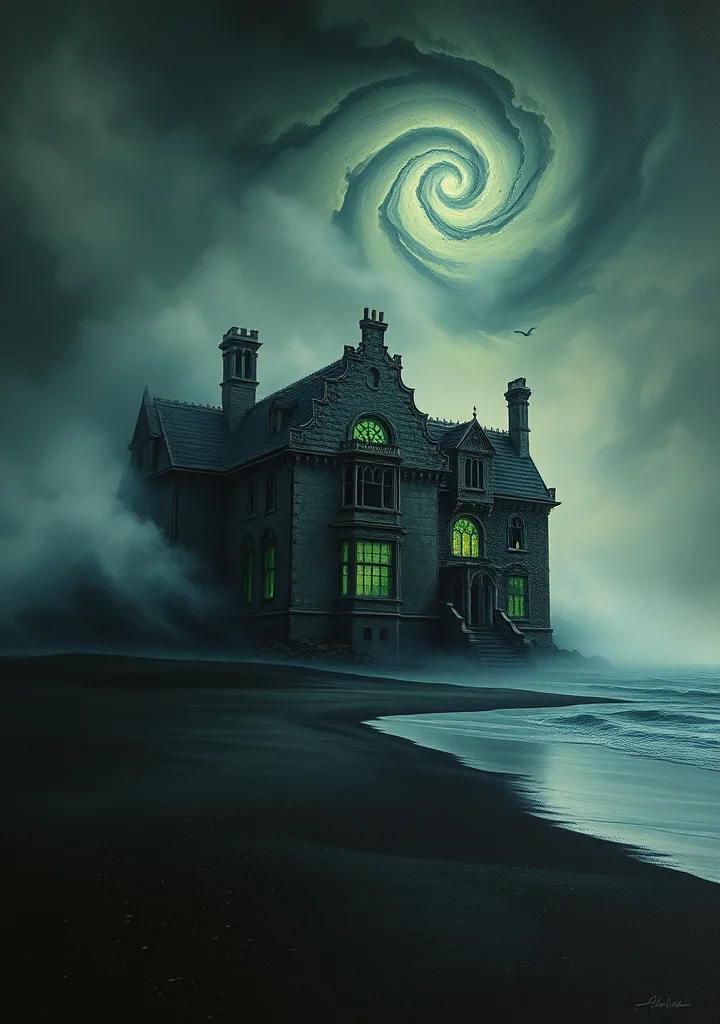
The sea claws at the edges of a crumbling estate, a place where the land itself seems to breathe with a malign intelligence. Here, the narrator, adrift in a crumbling, isolated house, charts the slow creep of dread as the boundaries between the real and the spectral dissolve. It is not merely a haunting, but an invasion – not of ghosts, but of things *between* worlds, drawn to the house’s peculiar position between dimensions. The walls themselves weep with an unearthly moisture, mirroring the encroaching nightmares that bleed from the landscape. A suffocating, claustrophobic terror permeates the narrative. The house is not simply a location, but a prison constructed of shifting geometries and suffocating silence. Each room echoes with the residue of forgotten horrors, and the very foundations seem to buckle under the weight of unseen presences. Outside, the sea delivers not wreckage, but fragments of impossible geometries, whispering of cyclopean structures and blasphemous shapes lurking beneath the waves. The air hangs thick with the scent of brine and decay, punctuated by the rasping of unseen claws on stone. It’s a descent into the abyss, not of madness, but of cosmic indifference. The narrator’s sanity frays as the house reveals its true purpose: a nexus point for horrors beyond human comprehension, a place where the veil between realities thins to a gossamer thread, and the darkness beyond stares back with cold, ancient eyes. A suffocating despair settles in, as the realization dawns that escape is not a matter of distance, but of oblivion.
24 Part
Dust motes dance in the perpetual twilight of a decaying Italianate palazzo, mirroring the spectral ambitions of the self-styled Emperor Hadrian. A fever-dream of aesthetic obsession, the novel unfolds through the brittle correspondence of a man consumed by a vision of restored glory—a baroque, melancholic Rome resurrected through his own meticulously curated existence. Each letter breathes the scent of incense and decay, of crumbling marble and the stifled sighs of a servitude born of artistic vanity. The air hangs thick with regret, with the weight of unfulfilled desire, and the gnawing loneliness of a man who has built his empire on the shifting sands of delusion. A creeping dread permeates the narrative, not of overt horror, but of a slow, exquisite unraveling. The palazzo itself becomes a character—a suffocating labyrinth of shadowed galleries and forgotten chambers, reflecting the labyrinth of Hadrian’s own mind. He is both architect and prisoner, a gilded cage of his own making. The prose, brittle and mannered, mimics the fragility of the objects he collects—antique reliquaries, faded tapestries, and the hollowed-out faces of those who attend his spectral court. A sense of stifled violence lingers beneath the surface, the unspoken price of beauty, the rot hidden within the gilded frame. The story is not one of grand spectacle, but of insidious decay, a slow, elegant poisoning of the soul. It is a whisper of madness, echoing through the empty corridors of a life spent chasing shadows.