
Reclamación de River
  • 9
  • 0
  • 3
  • Read 9
  • 0
  • Part 3
Ongoing, First published May 24, 2026

La narrativa traza una conexión volátil entre Raven y Cal River, un hombre que inicialmente la rechazó. Estos capítulos revelan una dinámica compleja cuando Raven se ve arrastrada a la órbita de Cal a pesar de su ira y desconfianza. La historia se desarrolla en medio de una reunión de la manada donde el conflicto interno de Raven se intensifica cuando Cal afirma su reclamo sobre ella. Aunque inicialmente se encontró con resistencia, la eventual introducción de Raven como la nueva Luna provoca una sorprendente recepción de la manada..
Copyright: All Rights Reserved
No person is allowed to use, redistribute, or modify your work in any form without your explicit permission.
Recommended for you

42 Part
A chilling wind sweeps across frozen plains, mirroring the fracturing of ideals within Emma Goldman’s heart. This is not a chronicle of revolution’s triumph, but a descent into the grey, suffocating disillusionment of a promised land turned prison. The narrative unfolds amidst snow-drifted streets and shadowed interiors, where the fervor of anarchist dreams curdles into the bitter taste of betrayal. Goldman’s prose bleeds with the icy resignation of witnessing a people’s hope strangled by bureaucracy and the suffocating weight of a new tyranny. The air hangs thick with the scent of coal smoke and unspoken despair, as Goldman navigates a landscape of whispered accusations and broken promises. Every encounter – a hushed conversation in a cramped apartment, a furtive exchange of pamphlets, a glimpse of hollow eyes in the breadline – is rendered in shades of muted grey, reflecting the erosion of conviction. It is a story of isolation, of the agonizing realization that even in the wake of upheaval, the chains of oppression merely shift their hold, tightening around the spirit. A haunting stillness pervades the pages, broken only by the distant howl of wolves and the echoing thud of boots on cobblestones, a constant reminder of the ever-present surveillance. The narrative doesn't offer explosions of rebellion, but the slow, agonizing freeze of a heart witnessing the birth of a new darkness, a darkness born not of malice, but of the crushing weight of unrealized expectation.
42 Part
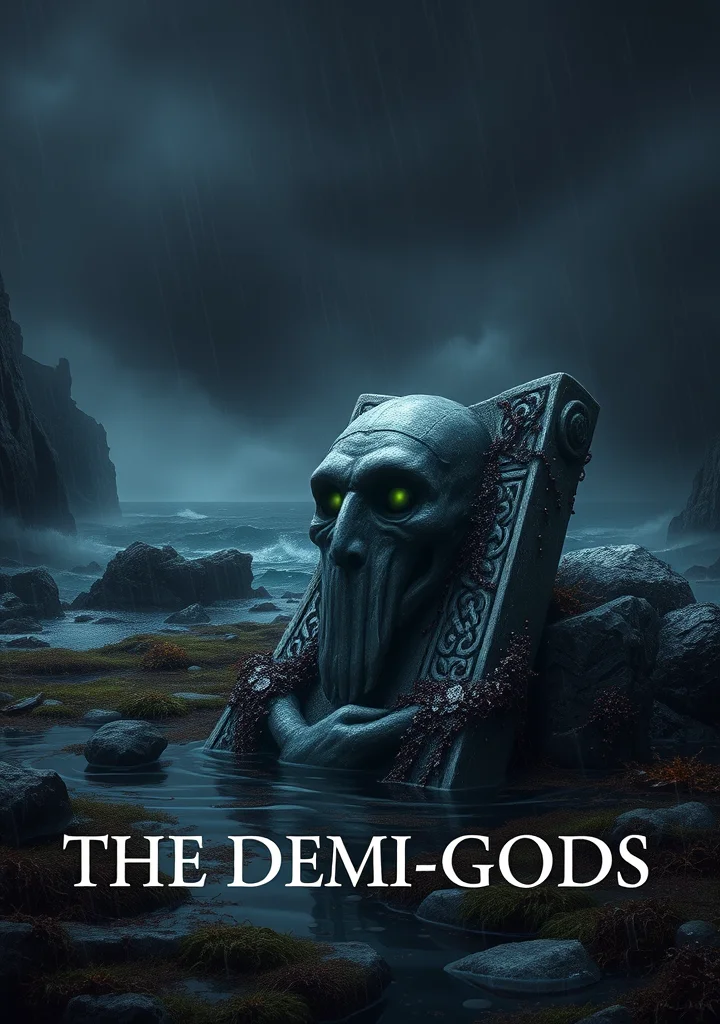
A creeping dread clings to the Irish coast, thick as the bog mire that swallows men whole. Stephens weaves a tale not of heaven or hell, but of the liminal spaces between, where the remnants of ancient, pagan deities bleed into the fractured lives of mortals. The narrative unfolds within a suffocating village steeped in superstition, where whispers of forgotten gods stir in the peat smoke and the sea’s cold breath carries the scent of something older than time. Each character is a fractured vessel—a priest haunted by visions, a woman possessed by a spectral sorrow, a boy touched by the cold hand of the otherworld. Their desires, their failures, their very breaths seem drawn from the decaying grandeur of a lost age. The world isn’t simply haunted; it *is* haunting—a slow rot of the soul mirroring the crumbling stone circles and the drowned chapels swallowed by the relentless tide. The prose itself feels like unearthed bone, brittle and cold, layered with the scent of brine and decay. Stephens doesn’t offer salvation, only a glimpse into the echoing emptiness where the gods once walked, leaving behind only echoes of their power and the lingering stain of their absence. It’s a world where the boundaries between reality and nightmare blur, where every shadow holds a watchful eye, and the very earth seems to breathe with a mournful, forgotten hunger. The air tastes of salt and regret, and the story unfolds like a slow, inexorable drowning in the grey light of a dying world.