
Roma dan Pengkhianatan
  • 20
  • 0
  • 4
  • Read 20
  • 0
  • Part 4
Ongoing, First published May 23, 2026

This novel follows a woman reeling from betrayal as she prepares to escape to Rome for a fresh start. The early chapters reveal a painful unraveling of trust – a boyfriend’s infidelity with a close friend leaves her devastated and seeking refuge with her uncle. As she journeys toward Italy, anxieties mount, fueled by fraught phone calls with her mother and a disturbing encounter on a flight. Amidst the turmoil, a tense connection with a stranger stirs both attraction and fear, leaving her unsettled and struggling to find peace as she travels toward an uncertain future.
Copyright: All Rights Reserved
No person is allowed to use, redistribute, or modify your work in any form without your explicit permission.
Recommended for you
148 Part
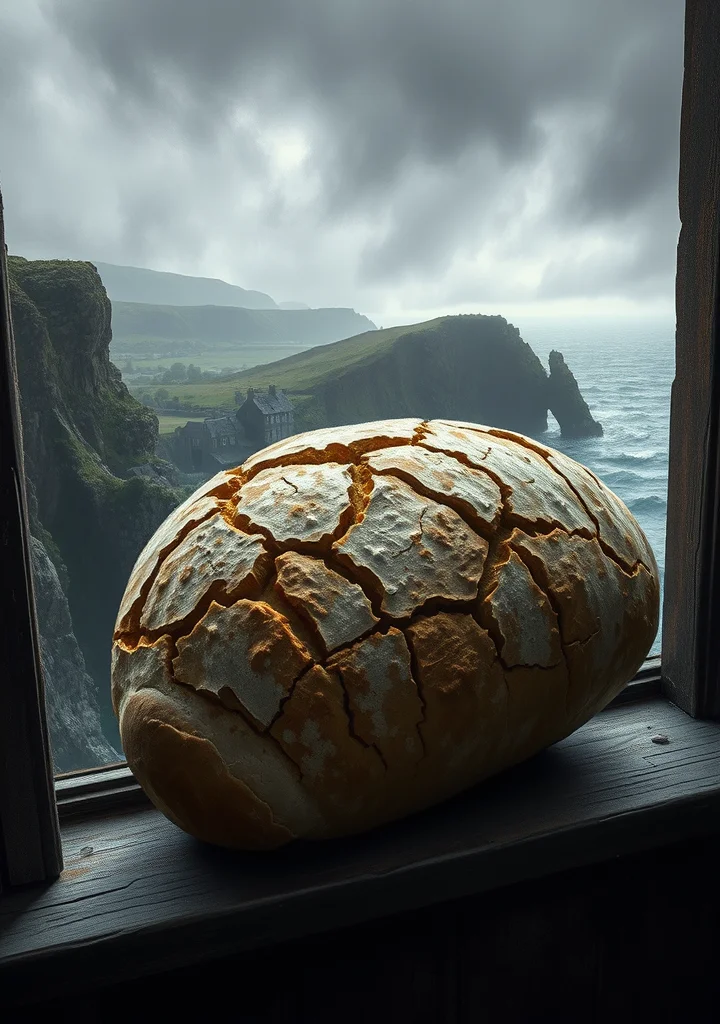
A creeping dread clings to the Dorset coast, a salt-laced miasma rising from the crumbling cliffs and shadowed coves. The village of Little Porthaven holds its secrets tight, woven into the very stone of its cottages and the mournful cry of the gulls. Old Man Tremaine, they say, died of the bread – not the eating of it, but the *making* of it. His final loaf, vast and swollen with a sickening sweetness, was found cooling on the sill, a grotesque parody of domestic comfort. But the bread wasn’t merely a final act. It was a symptom. A slow rot spreading through the Tremaine household, mirroring the insidious decay of the manor itself. Whispers of ancient pacts with the sea, of bargains struck with things best left undisturbed in the black depths, cling to the scent of yeast and flour. The new owners, the Harwoods, arrive seeking respite, unaware they’ve walked into a tomb already claimed. Each slice cut from the giant loaf seems to bleed a little more of the village’s history, staining the air with a cloying guilt. The scent of it clings to the fingers, to the linen, to the very thoughts of those who dare to taste it. It’s a flavor of loss, of forgotten gods, of a hunger that cannot be sated by mortal hands. The house itself breathes, exhaling the cold breath of something ancient and hungry. The shadows lengthen, not with the fall of dusk, but with the weight of the bread itself, pressing down on the living until they too, become part of its slow, suffocating bloom.
5 Part
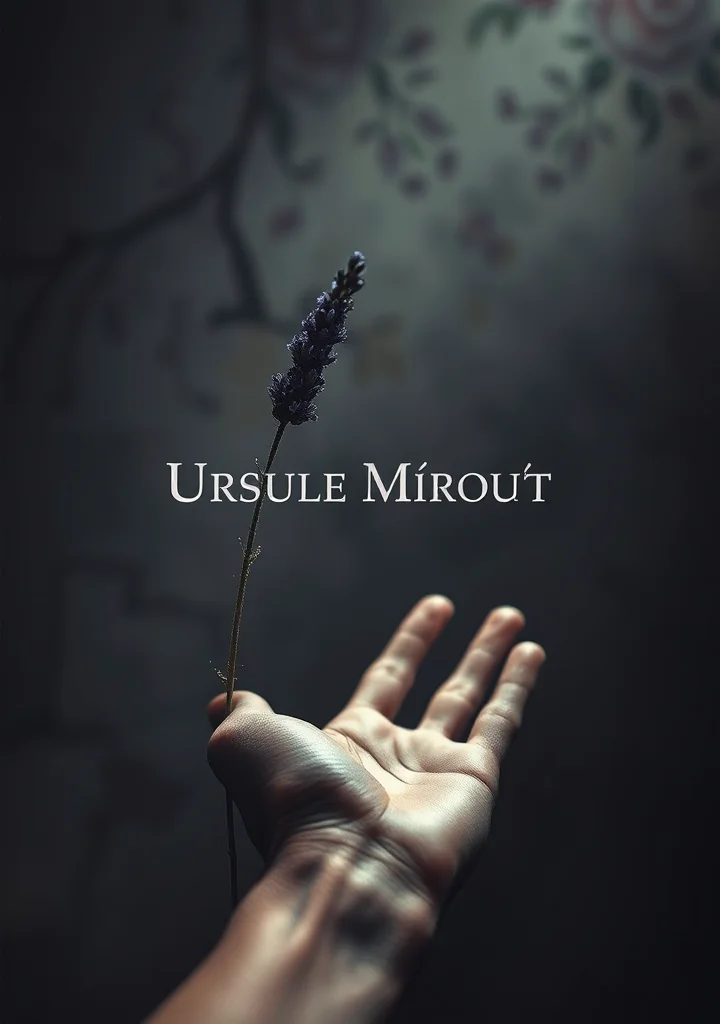
Dust motes dance in the perpetual twilight of provincial France, clinging to the shadowed corners of Ursule Mirouët’s existence. A woman steeped in lavender and regret, she drifts through a life circumscribed by duty and the suffocating weight of inherited estates. The air hangs thick with the scent of dying blooms and the unspoken resentments of those bound to her decaying manor. This is a world where love is a slow poison, distilled in quiet rooms and whispered behind lace curtains. The narrative clings to the damp stone walls of a dying aristocracy, where fortunes are built on simmering betrayals and the inheritance of grief. Ursule’s existence is a tapestry woven with the threads of thwarted desire, shadowed by the ambition of men who see her not as a woman, but as the key to unlocking ancient wealth. A stifling atmosphere permeates every encounter – a claustrophobia of expectation, of lives lived out under the gaze of judgmental neighbours. The weight of societal obligation presses down, mirroring the oppressive greys of the landscape. Every act of kindness is laced with calculation, every glance a measure of worth. The novel breathes with the chill of damp earth, the rustle of secrets in the long grass, and the slow, inexorable decay of a world clinging to its past. It is a world where the heart is a prison, and the soul is slowly extinguished by the demands of inheritance and the suffocating demands of a life lived entirely on the surface of things.