
Rumah Biru, Jembatan Retak
  • 8
  • 0
  • 3
  • Read 8
  • 0
  • Part 3
Ongoing, First published May 23, 2026

Kisah ini terbentang di Seoul, kota yang penuh keluarga dan hubungan yang saling terkait. Kita bertemu keluarga Kim, pemilik restoran lokal, dan Jungkook, CEO yang bekerja sama dengan Min Yoongi dan Jung Hoseok di Jeon Group. Pertemuan tak terduga terjadi ketika Jungkook menyelamatkan Taehyung dari keputusasaan. Kejadian ini memicu ketertarikan yang tak terduga. Di sebuah rumah biru yang hangat, Taehyung menjalani kehidupan bersama keluarga dan teman-temannya, dan Jungkook terjerat dalam dunia kepolosan dan rasa ingin tahu. Kisah ini menyelipkan eksplorasi tentang kesehatan mental dan menemukan keluarga baru.
Copyright: All Rights Reserved
No person is allowed to use, redistribute, or modify your work in any form without your explicit permission.
Recommended for you
19 Part
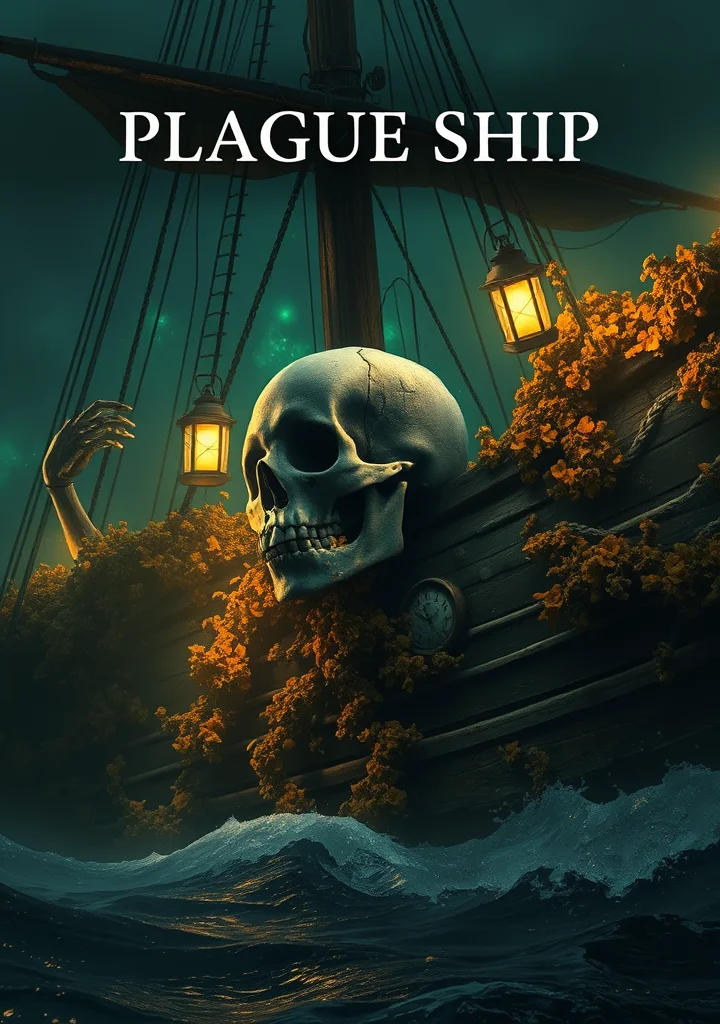
The salt-laced air hangs thick with dread, clinging to the rotting timbers of the *Morian*, a vessel haunted by more than just the spectral chill of the North Atlantic. A creeping contagion, born of shadowed ports and whispered bargains with sea-witchery, festers within its hold, twisting flesh and fracturing minds. The narrative unfolds not as a tale of heroic defiance, but as a slow, agonizing unraveling. Each deck becomes a labyrinth of fevered delirium and decaying grandeur, mirroring the fractured psyche of Captain Keveren, bound by duty to a cargo more terrifying than any kraken. Norton doesn’t offer swashbuckling adventure, but a claustrophobic descent into madness. The ship itself is a character—a leviathan of grief and rot, breathing out despair with every creak of its ancient frame. The crew aren’t warriors, but desperate souls clinging to the tattered remnants of their humanity as the plague consumes them, their struggles rendered in muted tones of gray and sickly green. Expect a pervasive sense of isolation, not from open ocean, but from the very bodies around you, each touch bringing closer the inevitable bloom of the sickness. The story is less about escaping the ship, and more about the horrifying realization that the plague is not merely a disease, but a haunting—a parasitic echo of something ancient and malevolent awakened by the sea. The darkness doesn’t arrive with a dramatic storm, but seeps through the planks, clinging to the skin, and ultimately, claiming the soul.
13 Part
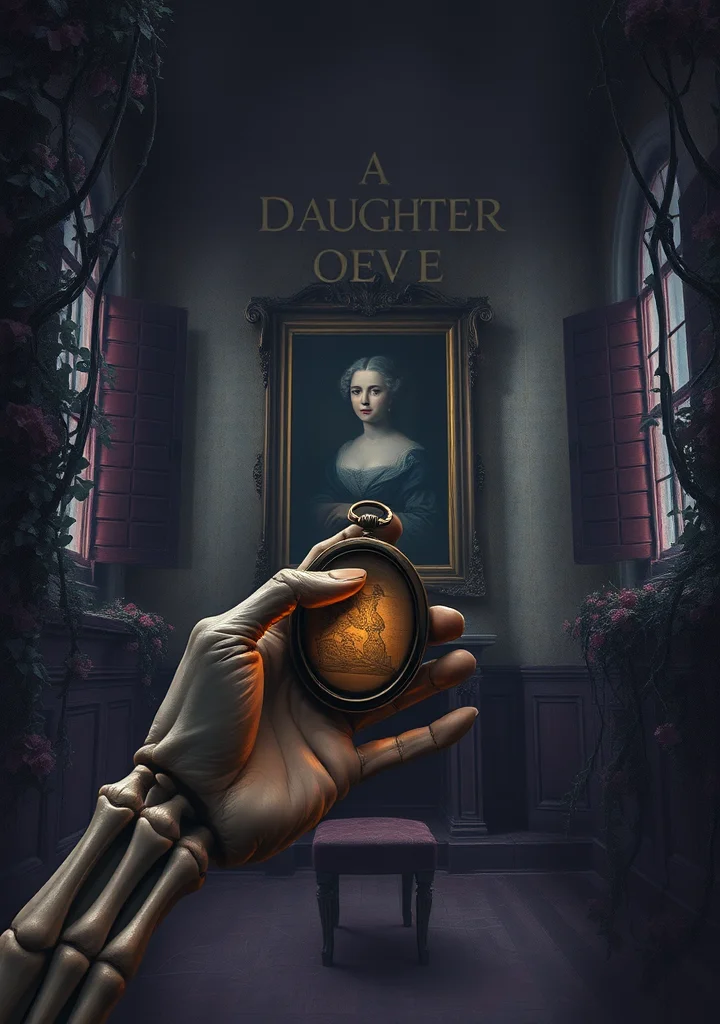
The air hangs thick with the scent of decay and lilies, clinging to the crumbling chateau like a shroud. Here, amidst shadowed corridors and portraits whose eyes follow every trespass, resides Louise de Balzac—a creature born of ambition and shadowed lineage. Her beauty, a fragile bloom in a winter garden, masks a past steeped in whispered scandals, a legacy of clandestine debts and a mother’s ruinous pursuit of Parisian grandeur. The narrative unravels like a silken thread fraying under strain, tracing Louise’s desperate navigation through a society choked by avarice and hypocrisy. Each gilded room breathes with the ghosts of fortunes lost and reputations shattered, mirroring the rot that festers within her own heart. She is haunted by the specter of her mother, a phantom of extravagance whose downfall casts a pall over Louise’s every breath. A suffocating elegance permeates every encounter, every stolen glance. The weight of expectation, the hunger for status—these are the chains binding Louise to a life of calculated performance. Shadows lengthen with each calculated marriage proposal, each desperate act to secure her future. The novel is steeped in a sense of inevitable doom, a slow descent into the darkness where innocence is bartered for survival, and the gilded cage of wealth becomes a tomb. A creeping dread settles upon the reader, mirroring the suffocating atmosphere that clings to Louise as she navigates the treacherous currents of her own making.