
-
Read 288
-
0
-
Part 16
Completed, First published Mar 02, 2026
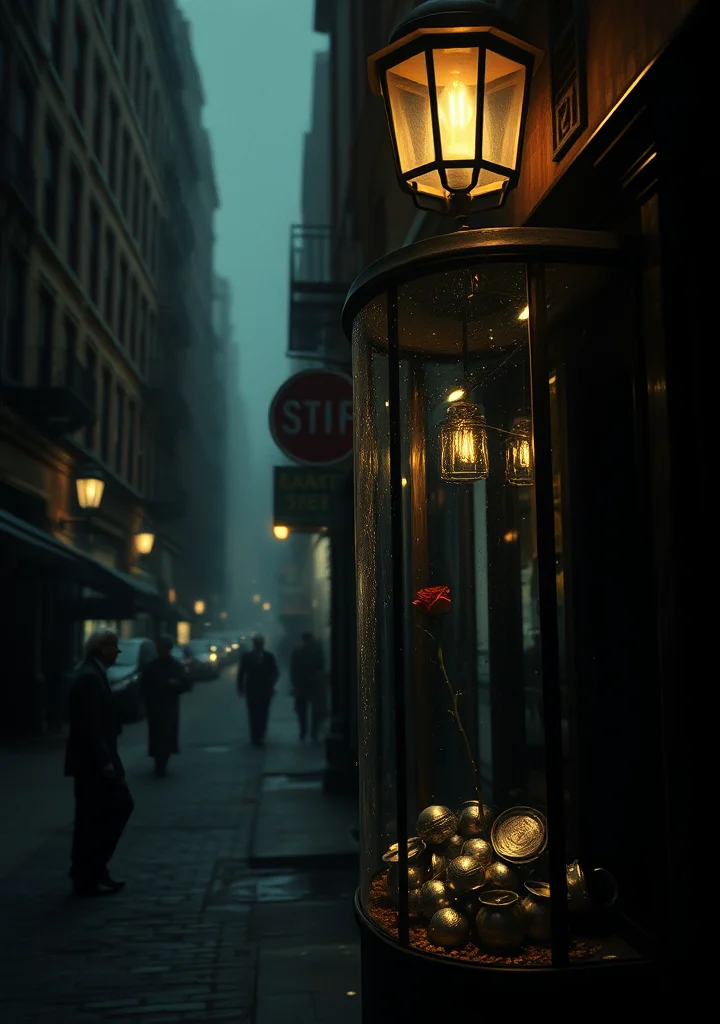
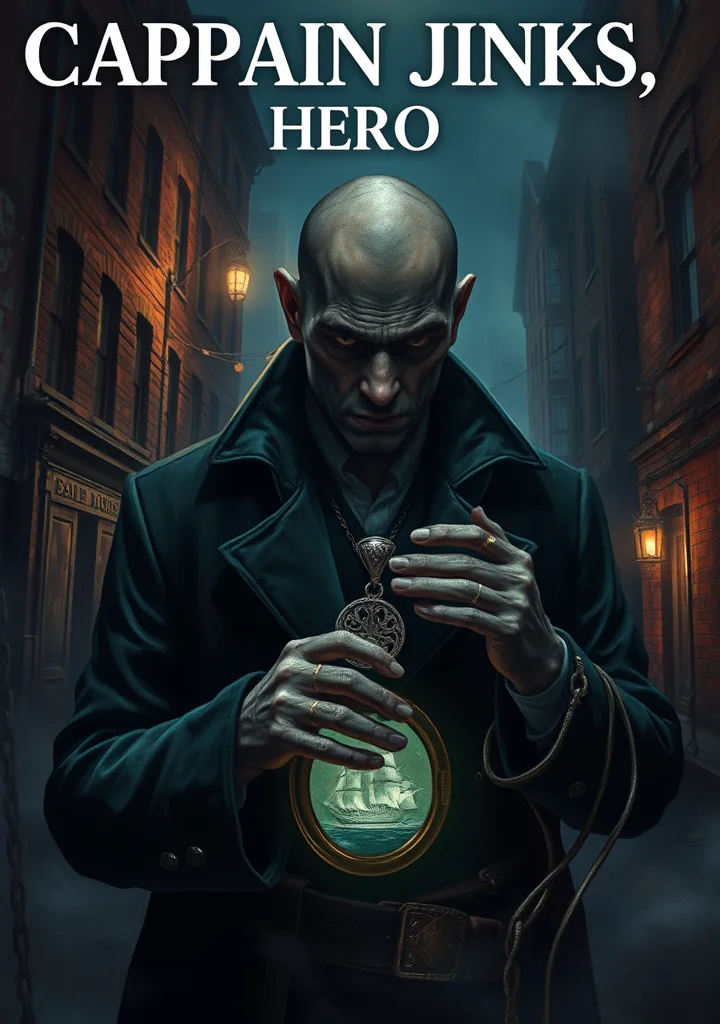
A creeping fog clings to the crumbling docks of New York, mirroring the rot within Captain Jinks himself. He’s a man haunted by shadows – not of the sea, but of his own making. This isn’t a tale of swashbuckling glory, but of a fractured soul adrift in a city of vice. Crosby paints a New York steeped in gaslight and desperation, where Jinks’ ‘heroism’ is born of desperation and fueled by laudanum-soaked dreams. The narrative coils tight around a missing fortune, a spectral vessel, and a wife whose beauty masks a chilling, brittle sadness. Every alleyway breathes with secrets, every lamplit doorway conceals a transaction in darkness. The scent of brine and decay permeates the pages, a constant reminder of the wreckage Jinks carries within him. He’s not saving the world, he’s merely delaying his own inevitable descent into the mire, dragging others down with him as he claws at redemption in a world that offers none. It’s a slow bleed of hope, punctuated by the rasp of a dying man's breath and the ghostly echo of bells tolling for the lost. The sea calls to him not with promise, but with the cold embrace of oblivion.
Copyright: Public Domain
This license allows anyone to use your story for any purpose, including printing, selling, or adapting it into a film freely.
This license allows anyone to use your story for any purpose, including printing, selling, or adapting it into a film freely.
More like this