
Seoul Rings Secrets
  • 9
  • 0
  • 4
  • Read 9
  • 0
  • Part 4
Ongoing, First published May 23, 2026

Cerita itu terbuka untuk pendatang baru tiba di Seoul, tidak disangka-sangka tenang meskipun meninggalkan keluarganya di belakang. cepat tenggelam dalam dunia yang sibuk kehidupan kota dan pekerjaan baru bekerja dengan BTS, dia mendapati dirinya terjerat dalam serangkaian tuduhan yang meresahkan. sebagai ketegangan emosional meningkat di antara staf studio atas cincin hilang, hambatan komunikasi dan kesalahpahaman mulai muncul..
Copyright: All Rights Reserved
No person is allowed to use, redistribute, or modify your work in any form without your explicit permission.
Recommended for you
38 Part
A creeping dread clings to the shores of a dying world. The sun bleeds crimson into a sea choked with silence, where the last echoes of humanity drift amongst the ruins of a forgotten paradise. This is not a tale of monstrous creation, but of monstrous *extinction*. A plague, born not of fever or rot, but of a profound and suffocating ennui, has withered the passions of men and women, leaving them listless, hollowed by a grief they cannot name. The narrative unfolds through journals discovered within a desolate, abandoned fortress – fragmented accounts of a scholar, Lionel, who watches the last vestiges of civilization crumble into dust. His observations are steeped in a melancholic beauty, documenting the slow, insidious unraveling of desire, ambition, even the will to *remember*. The air is thick with the scent of decay, not just of bodies, but of ideals. Every stone whispers of loss, every shadow holds the weight of a forgotten generation. Lionel’s desperate attempts to preserve memory – to catalogue the last songs, the last stories, the last faces – are rendered all the more agonizing by the realization that even *he* is fading, becoming a ghost amongst ghosts. The sea, a constant, mournful presence, mirrors the encroaching nothingness. It is a world adrift, haunted by the ghosts of its own futility, where the final act is not a dramatic struggle, but a quiet surrender to the encroaching darkness, a slow, deliberate letting go of everything that once made life worth living. The final man is not a hero, but a witness, documenting the last, shuddering breaths of a species consumed by its own emptiness.
44 Part
The air hangs thick with the scent of rot and damp earth, clinging to the cobblestones of a Manila steeped in shadow. Thirteen years have passed since the fever dream of rebellion cooled, yet the embers of discontent still smolder beneath a veneer of Spanish decree. This is not a tale of open blades and gunpowder, but one of creeping tendrils of corruption, slowly choking the life from a nation’s heart. The protagonist, Simoun, is a phantom born of grief and vengeance, cloaked in the guise of a wealthy jeweler. He moves through the opulent salons and shadowed alleys, a silent architect of a reckoning long deferred. His presence is a subtle erosion, a corrosive elegance that whispers of discontent amongst the privileged, and fuels a desperate hope in the oppressed. The narrative unfurls like a slow poison, revealing the intricate web of deceit woven by those who profit from suffering. Every gilded cage, every forced smile, every whispered confession is another brick in a mausoleum of broken promises. The streets themselves seem to weep with the weight of injustice, and the flickering lamplight casts elongated shadows that dance with the ghosts of those who perished under the yoke of colonial rule. There is a pervasive sense of decay—not merely of physical structures, but of morality, of faith, of the very soul of a people. The scent of jasmine and incense masks the stench of desperation, while the echoes of laughter ring hollow against the backdrop of impending doom. The narrative is a descent into a labyrinth of shadowed motives, where the line between savior and destroyer blurs with each passing chapter, leaving the reader gasping for breath in a suffocating atmosphere of betrayal and simmering rage. This is a story where hope itself is a flickering candle threatened by the suffocating darkness.
56 Part
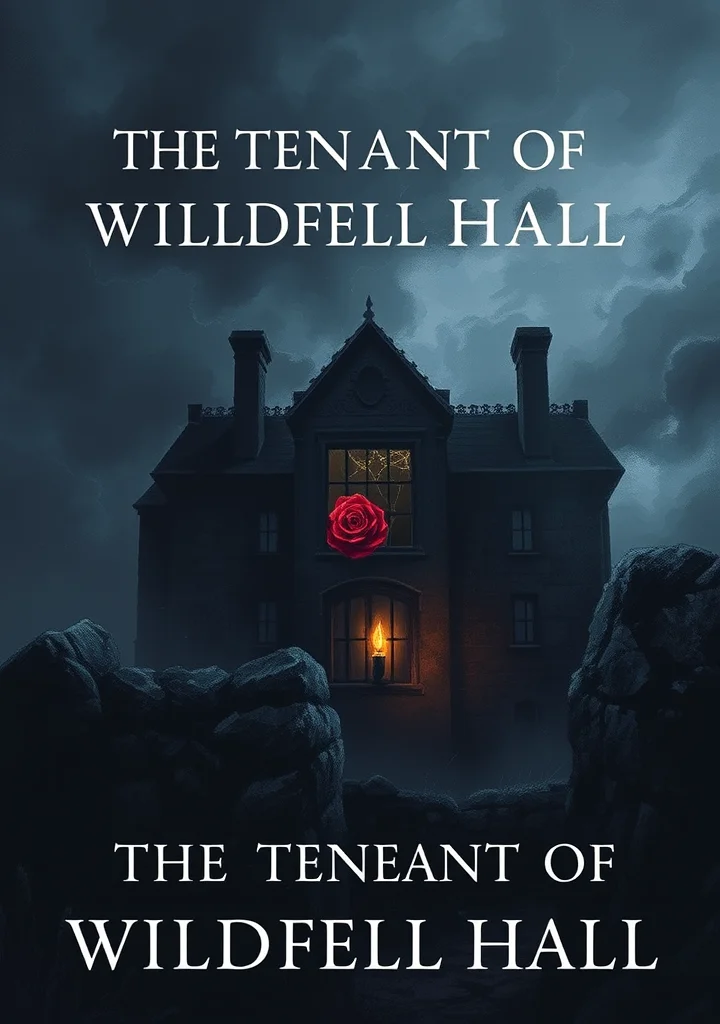
A creeping dread clings to the shadowed lanes surrounding Wildfell Hall, a manor steeped in rumour and whispered anxieties. The narrative unfolds through the anxious observations of a young gentleman drawn into the isolated community, but quickly becomes consumed by the mystery of its reclusive mistress, Helen. She arrives fleeing a monstrous secret, a husband whose depravity festers within the confines of their marriage. The Hall itself breathes with a history of decay, a gothic fortress concealing not merely stone and timber, but the unraveling of a woman’s spirit. The story is one of entrapment—not within walls, but within a marriage that slowly poisons the soul. Helen’s diary, unearthed like a tomb’s unearthed remains, reveals a descent into darkness, fuelled by alcohol-soaked brutality and the insidious erosion of self-worth. Every shadowed room, every stolen glance, echoes with the suffocating weight of a life slowly extinguishing under the weight of a monstrous devotion. The landscape mirrors the internal torment; bleak moors and desolate farmhouses reflect the emotional barrenness of her existence. A relentless tension builds, punctuated by the chilling details of her husband’s escalating cruelty, until the reader is left gasping with Helen, trapped within a nightmare of domestic horror. It is a tale of escape, yes, but the price of freedom is etched in scars both visible and unseen, leaving Wildfell Hall a monument to the harrowing power of abuse and the desperate will to survive.