Primera mirada silenciosa
  • 17
  • 0
  • 3
  • Read 17
  • 0
  • Part 3
Ongoing, First published May 24, 2026

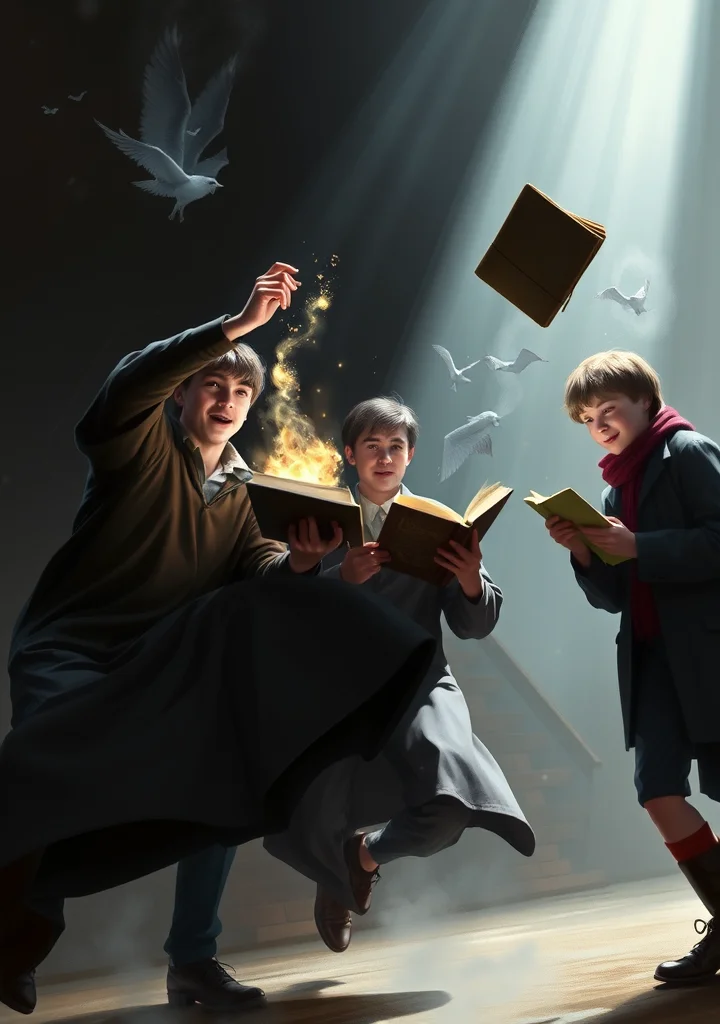
La historia se abre a las tranquilas ansiedades del noveno grado, siguiendo a un narrador cautivado por una nueva compañera de clase, Kim Taehyung. Estos primeros capítulos trazan los inicios de una conexión inesperada, nacida de la observación silenciosa y un anhelo de reconocimiento. Inicialmente luchando con el aislamiento social, la narradora se encuentra atraída por la calidez y la facilidad de Taehyung. Una sonrisa tentativa, una primera clase tutorial compartida y una sorprendente invitación marcan un cambio esperanzador, insinuando la posibilidad de amistad..
Copyright: All Rights Reserved
No person is allowed to use, redistribute, or modify your work in any form without your explicit permission.
Recommended for you

11 Part
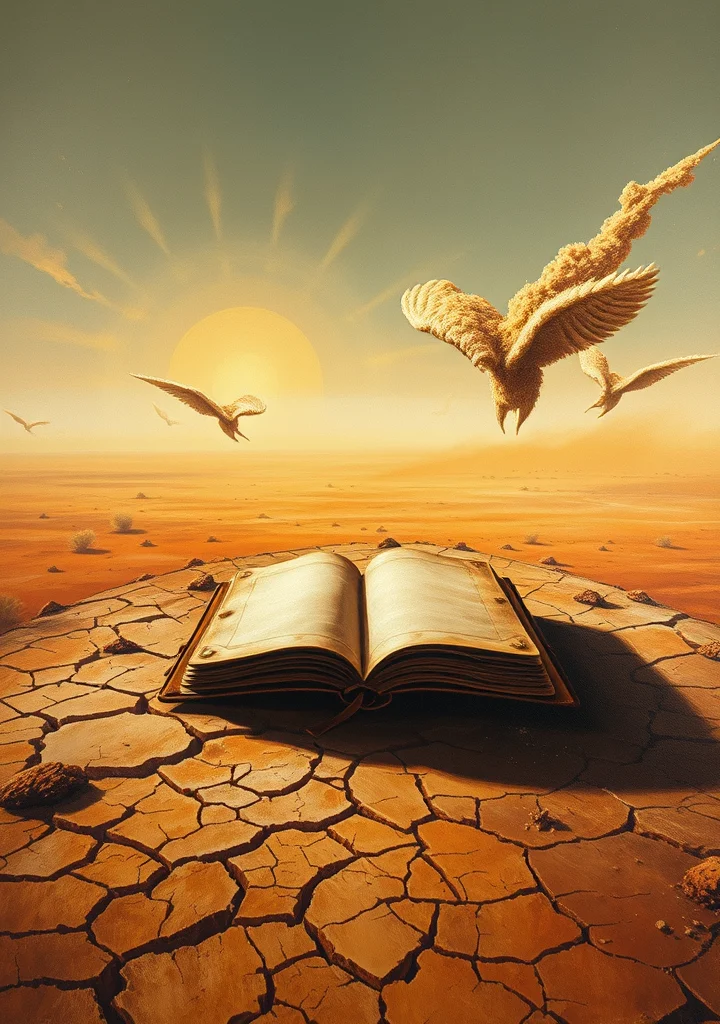
Dust clings to the sun-bleached plains of colonial Australia, mirroring the grit lodged in the throat of Thomas Mitchell, the narrative’s wandering, self-proclaimed “Philosopher.” The air shimmers with heat and the weight of unspoken histories – not grand, heroic ones, but the stifling, stifled lives of men building a nation on borrowed land. This isn’t a story of adventure, but of attrition. A slow, creeping erosion of spirit as Mitchell, and the ghosts of those he encounters – miners, shearers, the broken-hearted – trudge through a landscape both vast and suffocatingly intimate. The novel exhales a melancholic haze, thick with the scent of eucalyptus and the metallic tang of regret. It’s a world where language itself is a burden, a clumsy tool to articulate the aching emptiness of existence. Shadows stretch long and lean across the scrub, mirroring the anxieties of a society grappling with its nascent identity. A sense of profound isolation permeates every page, not from physical distance, but from the unbridgeable gulf between one man’s consciousness and another. There’s a pervasive unease here, a quiet dread woven into the fabric of the mundane. The cattle stations become purgatories, the billabongs reflect not beauty, but a shimmering, watery despair. It's a world where the only true monument is the accumulation of failure, the weight of dreams that sink into the red earth, indistinguishable from the dust they came from. The narrative doesn't rush forward; it lingers, suffocates, until you feel the same exhaustion as the men who built the roads and fences that define their own, inescapable prisons.