
Silent Regret
  • 92
  • 0
  • 21
  • Read 92
  • 0
  • Part 21
Completed, First published Jun 28, 2026

The story opens onto a portrait of family life, following Cameron and Jessa as they navigate the joys and challenges of parenting their three-year-old daughter, Blaire. These chapters reveal a close circle of friends sharing everyday moments, from casual evenings to the routines of daycare drop-offs. Beneath this warmth, however, a current of anxiety begins to surface. As Jessa struggles with unspoken distress, the narrative traces a deeper grief—the recent loss of her mother, a soldier returning home. The novel explores the weight of regret and the enduring power of intimacy as Cameron and Jessa seek solace in each other’s arms.
Copyright: All Rights Reserved
No person is allowed to use, redistribute, or modify your work in any form without your explicit permission.
Recommended for you

68 Part
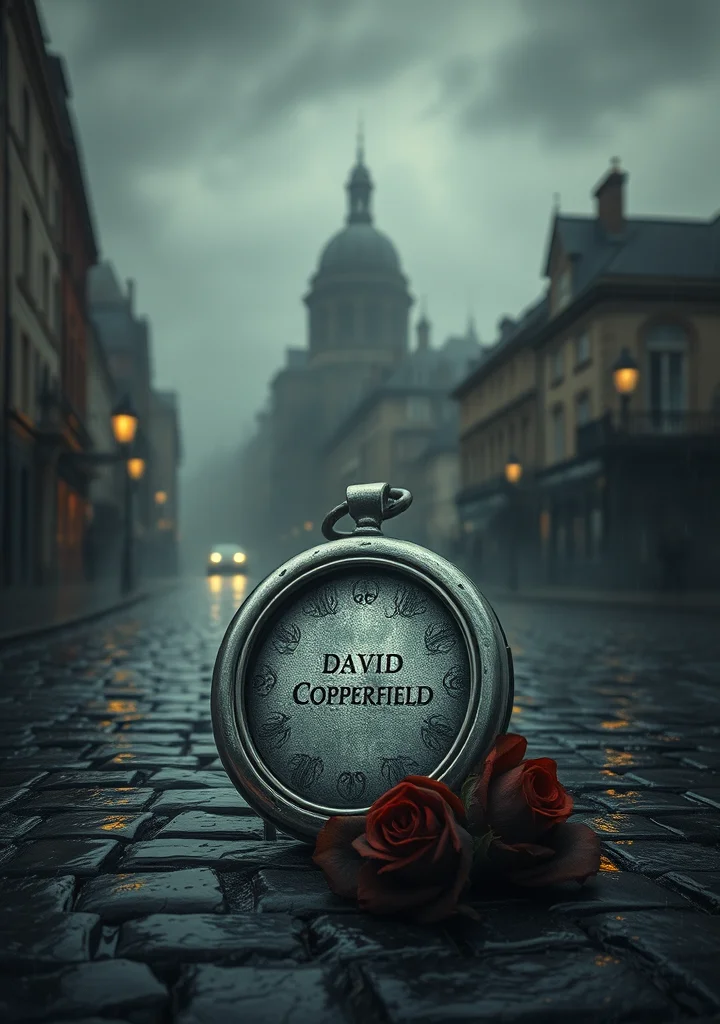
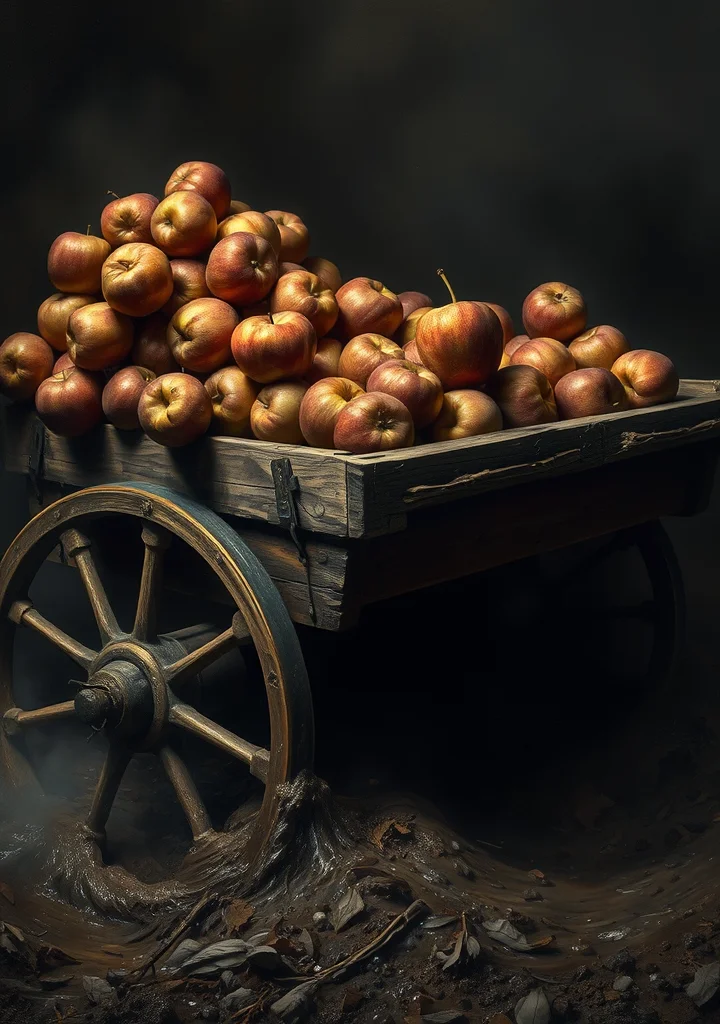
A creeping fog clings to the cobbled streets of a childhood shadowed by loss. The scent of damp wool and decaying roses permeates the air, clinging to the memory of a vanished father and a stifled mother. Within the cavernous, echoing halls of bleak estates, a boy’s innocence unravels thread by thread, woven with the chilling whispers of ambition and the gnawing hunger of want. Every hearth fire casts dancing, skeletal shadows that mimic the grasping hands of creditors and the predatory smiles of those who feast on vulnerability. The narrative drifts, a spectral current carrying fragments of fractured lives – a brutal stepfather, a suffocating benefactor, a labyrinthine London choked with soot and despair. Each character is a haunted reflection, their faces etched with secrets and their voices laced with the ache of unspoken sorrow. A pervasive melancholy clings to the narrative, thickening like the grime on windowpanes, obscuring the fragile hopes that flicker within the suffocating darkness. The story unfolds not as a simple ascent, but as a slow descent into the labyrinth of the human heart, where every gilded room holds a ghost, and every whispered confidence carries the weight of a forgotten grave. The very air vibrates with the stifled cries of those swallowed by circumstance, their fates echoing in the hollow chambers of a society built on crumbling foundations. It is a world where the brightest smiles conceal the deepest wounds, and where the pursuit of happiness leaves only a trail of dust and regret.
26 Part
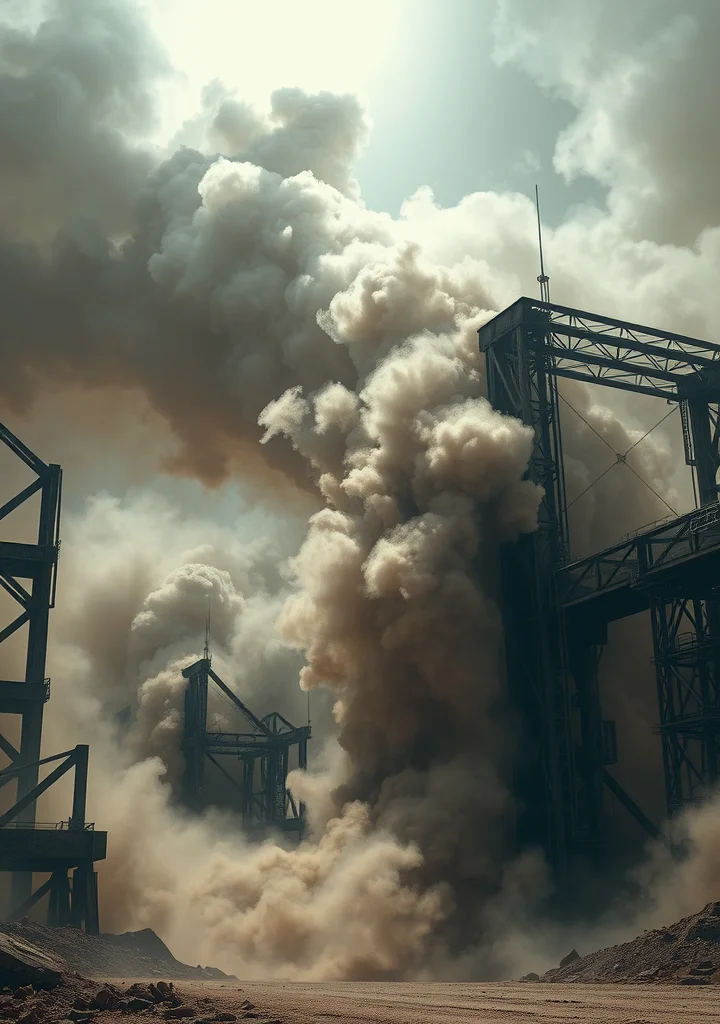
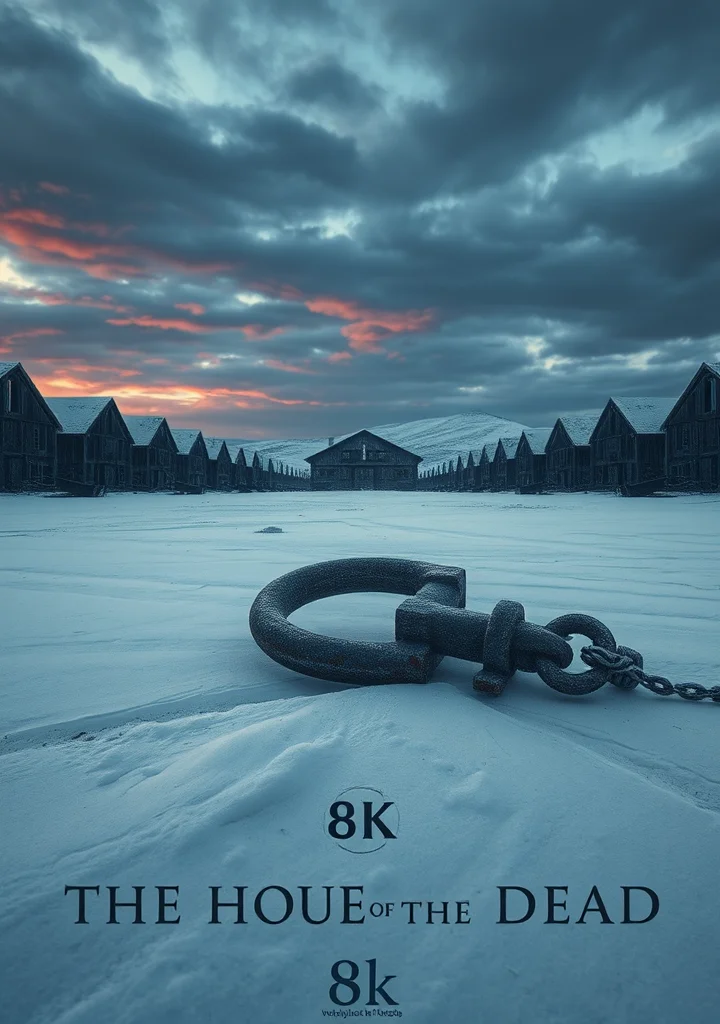
A creeping dread permeates the Siberian salt mines, where the air hangs thick with the ghosts of ambition and despair. Here, amidst the brutal calculus of exile, men are stripped not of their lives, but of their names, their histories, their very humanity. The narrative coils around a nameless narrator, a gentleman condemned to this frozen hell for a crime barely remembered, a sin buried beneath layers of bureaucratic indifference and the suffocating weight of the steppe. The narrative isn't merely a chronicle of survival, but a descent into the fractured psyche of men driven to madness by confinement and the absence of hope. Each cell becomes a confessional, each inmate a decaying testament to a past life—a merchant, a nobleman, a thief—now reduced to shivering shadows haunting the echoing corridors of the mine. A pervasive sense of claustrophobia clings to the prose, mirroring the tunnels that burrow into the earth and into the souls of those entombed within. The light is a dying ember, barely warding off the encroaching darkness that seeps into every corner of the narrative. It is a world where the boundaries between the living and the dead blur, where the true horror lies not in the physical torment, but in the slow, agonizing erosion of the spirit, a descent into a hollowed-out existence mirroring the very earth that claims them all. The house itself is not stone and mortar, but the collective grief and decay of every man condemned to its icy embrace.