
Spider, Steam, Thunder
  • 44
  • 0
  • 16
  • Read 44
  • 0
  • Part 16
Completed, First published May 14, 2026

The narrative traces a series of unexpected encounters, shifting from playful, frantic moments – like a library reading interrupted by a spider and a demanding kiss – to intimate scenes of budding romance unfolding in a hot tub. As the story progresses, a tense emotional landscape emerges during a thunderstorm, revealing characters grappling with vulnerability, unspoken affection, and the distress of witnessing pain in those they care for. These chapters hint at a story deeply concerned with the complexities of caring for others and navigating heartbreak, culminating in a moment of raw emotional breakdown and desperate protection.
Copyright: All Rights Reserved
No person is allowed to use, redistribute, or modify your work in any form without your explicit permission.
Recommended for you

30 Part
A suffocating dread clings to the timbers of the *Grampus*, and spills onto the icy shores of the Antarctic. Poe’s narrative isn’t merely a voyage; it’s a descent into the marrow-deep loneliness of the human condition. The narrative unravels not with grand spectacle, but with the slow, creeping rot of despair. Arthur Gordon Pym’s tale is one of escalating claustrophobia—first within the confines of a mutinous whaling vessel, then within the suffocating embrace of a desolate, white wilderness. The prose itself mimics the fracturing of Pym’s sanity. Sunken landscapes of feverish delirium rise from the pages, populated by phantom cannibals and the oppressive weight of unnameable horrors. The reader is not shown a monster, but *feels* it lurking in the ship’s hold, in the lengthening shadows of the Southern seas, in the echoing silence of the final, obsidian-walled chamber. The narrative’s true horror isn’t found in what is described, but in what remains stubbornly *unseen*—the vast, echoing emptiness beyond reason, the encroaching madness mirrored in the increasingly fractured narrative, and the chilling realization that Pym’s salvation may be a fate far more terrible than death itself. A suffocating atmosphere of isolation, punctuated by the chilling whisper of the unknown, permeates every line, leaving the reader adrift on a sea of dread, haunted by the echoes of a descent into the abyss.
48 Part
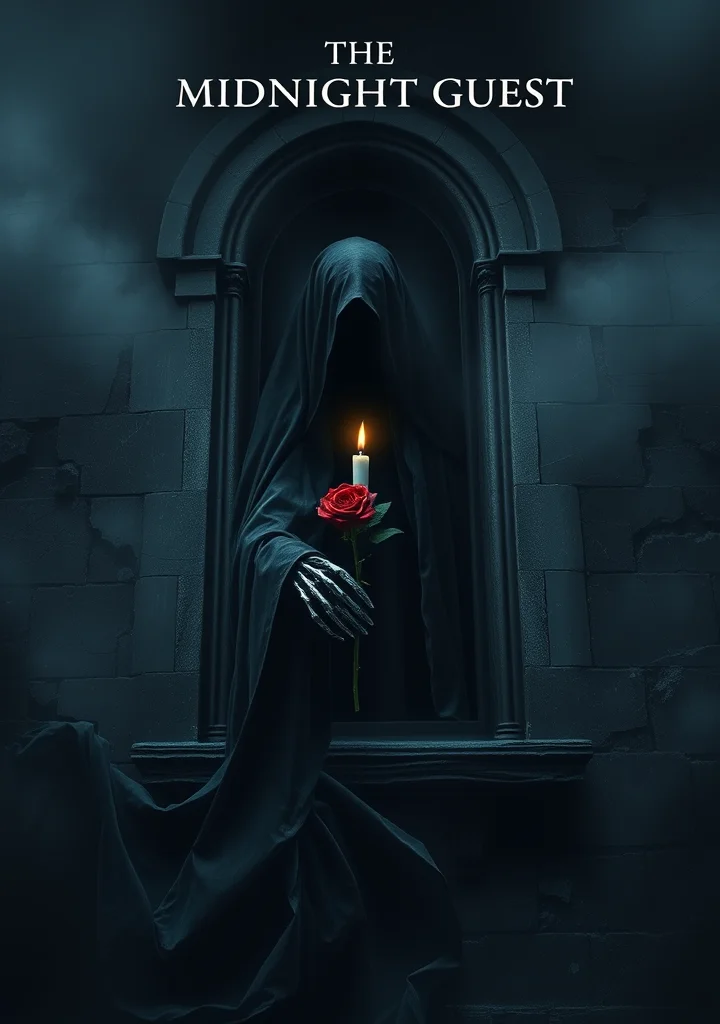
A creeping dread clings to Blackwood Manor, a crumbling edifice swallowed by perpetual twilight. Within its shadowed halls, a spectral visitor arrives with the final chime of midnight, unseen, unheard by all save the brittle, aging matriarch, Eleanor. She alone claims to converse with this phantom—a gentleman draped in mourning silks, his face obscured by shadow, his voice a whisper of frost against ancient stone. Is he a lover returned from beyond the grave, a guardian spirit, or something far more sinister drawn to Blackwood’s decaying heart? Each night, Eleanor’s sanity frays further with his chilling visits, fueled by absinthe and the scent of decay. The manor’s portraits seem to watch with hollow eyes, the very timbers groan in protest as the guest’s influence bleeds into the living world. Dust motes dance in the moonlight, revealing fleeting glimpses of his form—a hand reaching for a forgotten locket, a glimpse of a smile that promises oblivion. A suffocating stillness descends with his presence, silencing the house's long-held secrets. The air thickens with the scent of lilies and regret, a suffocating perfume that clings to every surface. He demands not gold or jewels, but memories—fragments of Blackwood’s past, offered up like bloodied roses to appease a hunger that threatens to consume Eleanor, and ultimately, the manor itself. His midnight calls are not invitations to comfort, but a slow, deliberate unraveling of a family's history, woven into a tapestry of grief and shadowed obsession.
10 Part
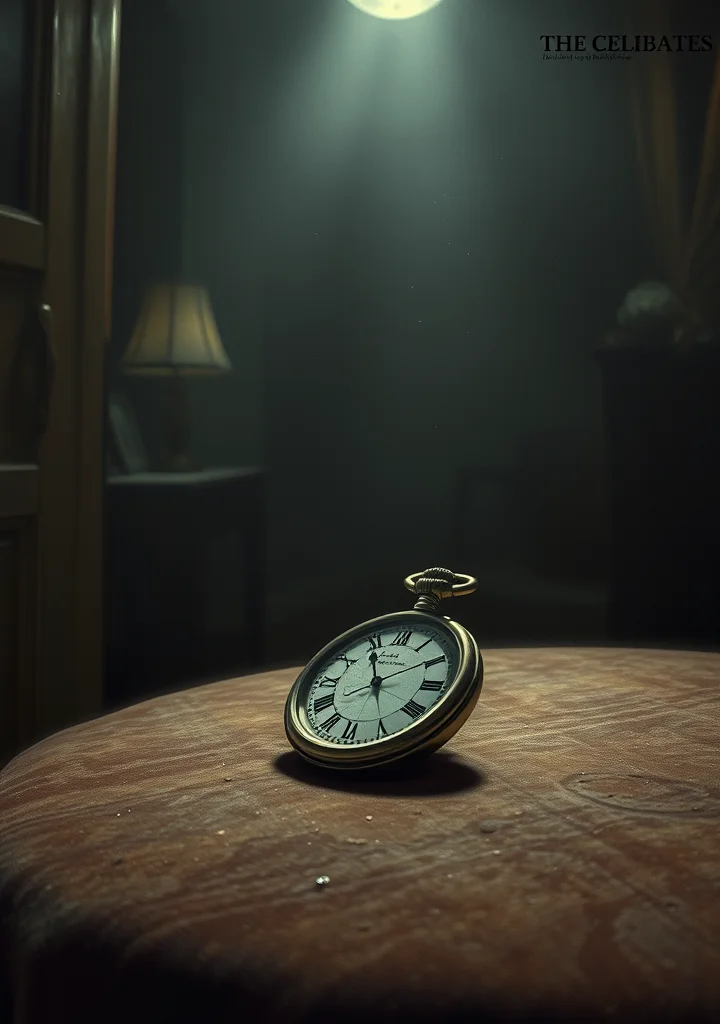
Dust motes dance in the perpetual twilight of decaying Parisian apartments, mirroring the slow rot of ambition within the hearts of its inhabitants. A suffocating stillness clings to these shadowed rooms, where men—and a single, brittle woman—have pledged themselves to a cold, calculated austerity. Not for God, nor for love, but for the relentless accumulation of power, the silent, parasitic growth of influence woven into the very fabric of the city’s underbelly. Each gesture is measured, each glance a ledger entry. The air tastes of stale ambition and the lingering scent of denied desire. The narrative unfolds like a tightening noose, detailing not the act of living, but the meticulous subtraction of humanity. Rooms become tombs, draped in the funereal silks of wealth; conversations are brittle exchanges of debts and futures. A creeping dread permeates the cobblestone streets, where the celibates move like specters, their pallid faces reflecting the gaslight’s sickly glow. The city itself breathes with a morbid pulse—a labyrinth of whispered transactions, decaying grandeur, and the gnawing hunger of those who have sacrificed everything for a throne of cold, indifferent gold. The true horror lies not in what is done, but in the chilling precision with which lives are hollowed out, leaving only the skeletal framework of ruthless calculation. It is a story of shadows consuming shadows, where even silence becomes a weapon wielded with terrifying grace.