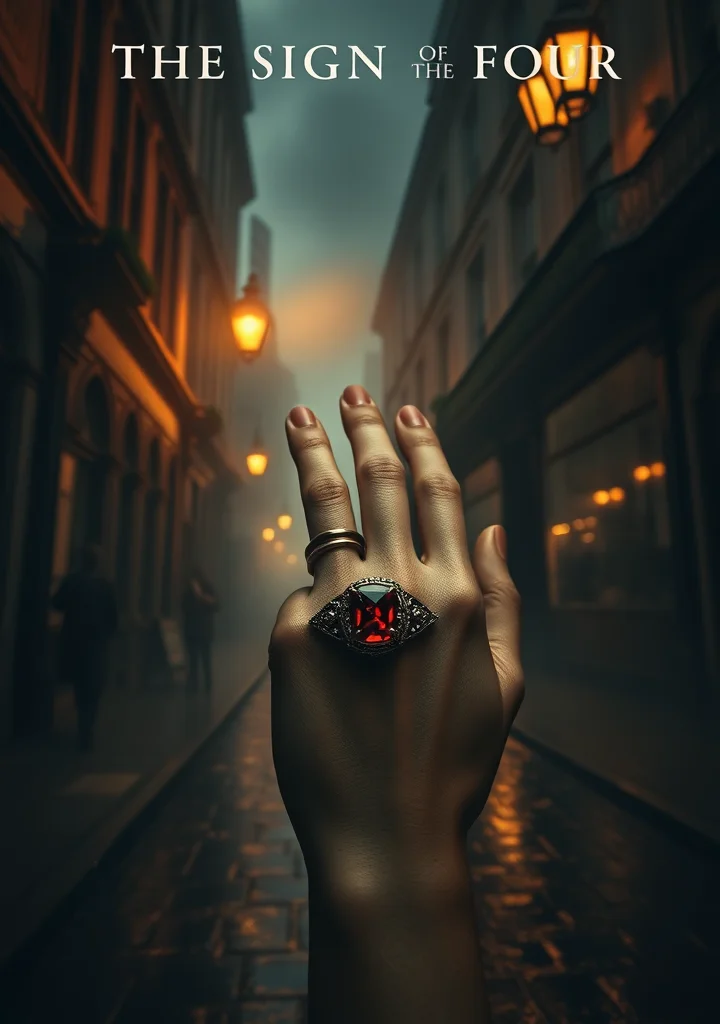

The Sign of the Four
  • 82
  • 0
  • 13
  • Reads 82
  • 0
  • Part 13
Completed, First published Mar 02, 2026

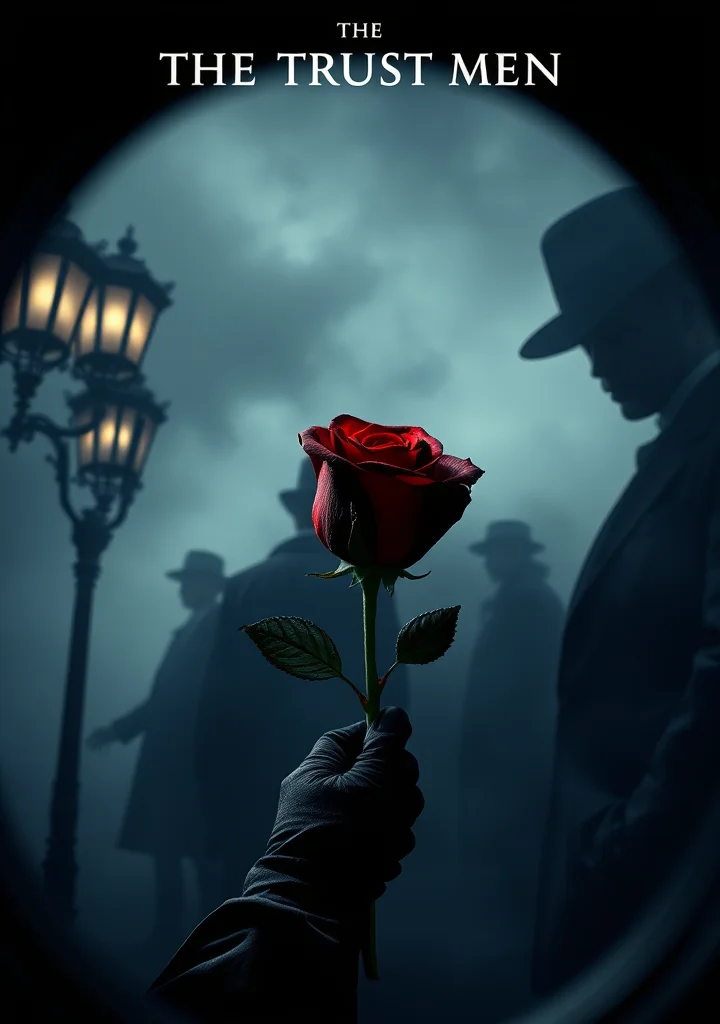
London breathes a suffocating fog, stained ochre by the gas lamps that flicker against the encroaching darkness. A scent of brine and decay clings to the docks, mirroring the rot that festers within the city’s shadowed heart. The narrative unfolds not as a simple pursuit, but as a descent into the labyrinthine alleys of a forgotten past—a past haunted by whispers of betrayal, vengeance born of empire, and a treasure stained crimson with greed. The very air thickens with suspicion, each cobbled street echoing with the muffled tread of those who seek to conceal monstrous deeds. A crippled sea captain’s spectral obsession pulls at the threads of London society, revealing a conspiracy woven with opium dreams and the glint of gold. Every room is a suffocating box, every conversation a calculated deception. The hunt for the Sign of the Four is less a solving of a crime, and more a peeling back of layers of grime, revealing the skeletal structure of a city built on secrets. The narrative chills with the realization that the true horrors are not found in the exotic origins of the treasure, but in the depravity that flourishes in the familiar darkness of Victorian London.
Copyright: Public Domain
This license allows anyone to use your story for any purpose, including printing, selling, or adapting it into a film freely.
Recommended for you
33 Part
A creeping fog clings to the skeletal remains of Victorian industry, a rust-colored haze that seeps into the very bones of a landscape once promising progress. This is not a return to a land remembered fondly, but a descent into a mirrored nightmare where the echoes of utopian striving have curdled into a chilling, bureaucratic despair. The air hangs thick with the scent of decay – not of flesh, but of ambition gone sour, of reason meticulously dismantled. The streets of Erewhon, once gleaming with naive idealism, are now haunted by the ghosts of enforced wellness, of machines built to mimic life yet devoid of soul. Every perfectly ordered garden conceals a rot beneath the manicured blooms. A sense of pervasive surveillance doesn’t come from watchful eyes, but from the suffocating weight of conformity. The narrative unfolds as a fractured pilgrimage through a society meticulously constructed on denial—denial of sickness, of suffering, of the very nature of being human. The architecture itself feels like a cage, each building a testament to the precision of a logic that has severed itself from empathy. The sun, when it deigns to appear, casts long, distorted shadows that dance with the shadows of the past, revealing the grotesque underbelly of a paradise built on lies. It is a place where the line between sanity and madness dissolves in a perpetual twilight, and where the only escape is to lose oneself in the labyrinthine corridors of its perfectly engineered delusion. A suffocating stillness permeates everything, broken only by the rhythmic, mechanical beat of a heartless order.
12 Part
Dust motes dance in the perpetual twilight of the Leblanc estate, a crumbling manor where shadows cling to velvet draperies like mourners. Within its suffocating embrace, a lineage steeped in melancholic ritual unravels with each chime of the ancestral clock—a morbid heartbeat marking eight generations consumed by a singular, insidious obsession. The narrative bleeds into the very stone of the house, a slow corruption mirroring the decline of the family’s sanity. Each stroke of the clock doesn't measure time, but the fracturing of a soul, the unraveling of a legacy built on stolen breaths and whispered bargains with the encroaching darkness. A suffocating atmosphere of decay permeates every page, thick with the scent of wormwood and regret. The story unfolds through fragmented letters, fevered diary entries, and the increasingly erratic pronouncements of a caretaker haunted by echoes of the past. The estate itself becomes a character—a labyrinth of forgotten chambers and corridors where the air hangs heavy with unspoken horrors. The reader is drawn not towards resolution, but towards a descent into the heart of a madness that breeds in isolation, where the only true company is the relentless ticking of the clock and the chilling realization that the estate doesn't merely *contain* its ghosts—it *creates* them. The prose is a tapestry of dread, woven with the delicate threads of a family slowly dissolving into the very fabric of the house, swallowed by the echoes of eight strokes that herald not the hour, but oblivion.
27 Part
A creeping dread clings to the emerald shadows of the jungle, a suffocating humidity that mirrors the suffocating weight of forgotten histories. Burroughs doesn’t merely return Tarzan to his primal kingdom, he delivers him back to a fractured, decaying Eden haunted by the ghosts of his own making. This is not the triumphant lord of the apes we recall, but a man shadowed by loss, driven by a desperate unraveling of alliances both human and bestial. The air hangs thick with the scent of rot and the whisper of ancient, vengeful gods. The narrative bleeds into a fever dream of betrayal amongst the tribes, where the lines between hunter and hunted blur into a crimson smear across the landscape. A malignant presence – a subtle, insidious corruption – festers within the very heart of the jungle, twisting familiar faces into masks of savage intent. The return isn’t a homecoming, it’s an intrusion, a violation of a balance poised on the precipice of collapse. Sun-drenched clearings give way to suffocating, vine-choked ravines, mirroring the descent into the protagonist’s own fractured psyche. Every rustle of leaves, every guttural cry from the depths of the forest, carries the echo of a past that refuses to remain buried. This is a jungle steeped in the residue of violence, where even the most primal instincts are tainted by a creeping, unspoken despair. It is a return not to paradise, but to a tomb of shattered expectations, where Tarzan must confront not just his enemies, but the hollowed-out shell of the man he once was.