
La hija de Stark
  • 7
  • 0
  • 4
  • Read 7
  • 0
  • Part 4
Ongoing, First published May 24, 2026

Esta novela sigue a la hija de Tony Stark mientras navega por una vida envuelta en el secreto. Cargada de deberes inusuales, incluso sirviendo el desayuno a Thor, lidia con las preocupaciones de seguridad que rodean las nuevas instalaciones de los Vengadores y la presencia de figuras como Bucky Barnes. Mientras intenta mantener el anonimato, la atención de Peter Parker complica las cosas. Una verificación de antecedentes revela archivos clasificados vinculados a Peter, planteando preguntas sobre sus motivos y el engaño que rodea su conexión..
Copyright: All Rights Reserved
No person is allowed to use, redistribute, or modify your work in any form without your explicit permission.
Recommended for you
61 Part
A perpetual twilight clings to the shadowed halls of Udolpho, where innocence is tested by the suffocating weight of ancestral secrets. The narrative unfolds within a labyrinth of crumbling castles and sunless forests, mirroring the fractured psyche of its heroine, Emily St. Aubert. Every echoing corridor whispers of past betrayals, every darkened chamber breathes with the icy presence of unspoken fears. A suffocating dread permeates the Italian landscape, born not of overt horror, but of insidious suspicion and the slow unraveling of sanity. The oppressive grandeur of Udolpho itself becomes a character, its vastness mirroring the boundless anxieties that consume Emily. The air is thick with the scent of decaying grandeur, and the story unfolds with the deliberate pace of a nightmare, punctuated by stolen glances, intercepted letters, and the chilling resonance of distant screams. It is a world where the boundaries between reality and hallucination blur, where the imagination, fueled by isolation and paranoia, conjures terrors far more potent than any visible threat. A creeping sense of helplessness pervades as Emily is drawn deeper into a web of familial intrigue, shadowed by the looming specter of a tyrannical uncle and the veiled machinations of those who would claim her inheritance. The narrative is steeped in a melancholic beauty, a haunting symphony of vulnerability and veiled menace, forever lingering in the half-light between revelation and despair.
13 Part
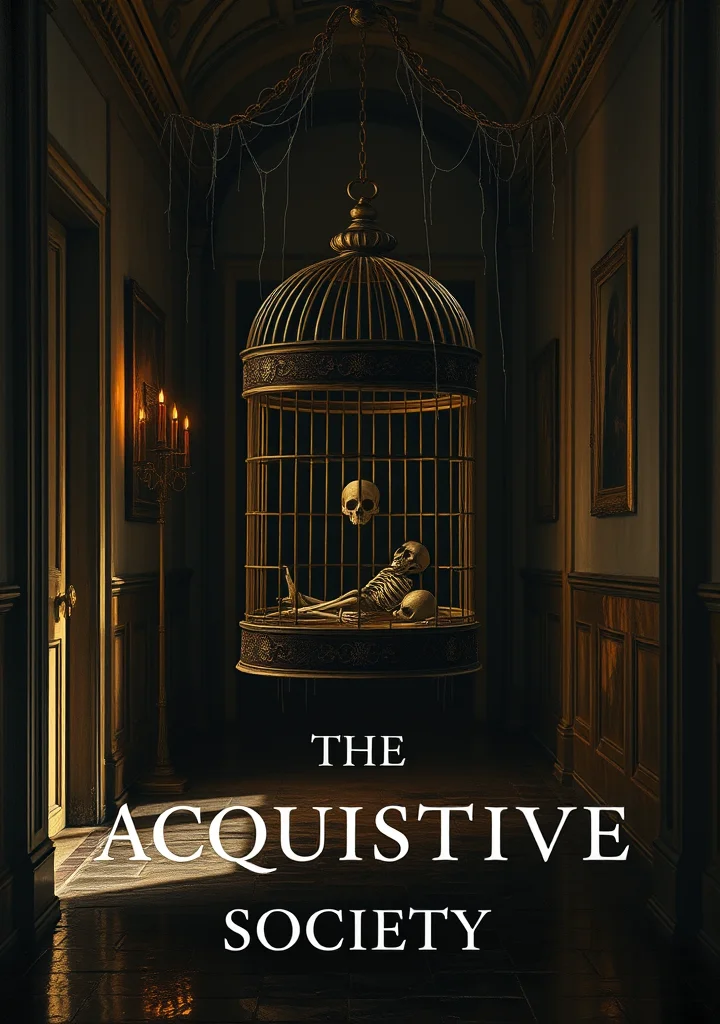
A creeping dampness clings to the cobblestones of Harrowgate, mirroring the rot within the gilded cages of its elite. Tawney’s narrative exhumes a city suffocated not by plague, but by insatiable appetite—a hunger for legacy, for possessions, for the very husks of lives consumed by ambition. Each manor house exhales secrets in the draughty hallways, whispers of fortunes built on shadowed deals and the slow, deliberate erasure of inconvenient kin. The air is thick with the scent of beeswax polish masking decay, of velvet drapes concealing dust-motes dancing in the perpetual twilight. A brittle elegance permeates everything, a performance of refinement barely masking the desperation beneath. The protagonist, a scholar of inherited debts, is drawn into a labyrinth of estates where the acquisition of wealth has birthed a monstrous lineage, each heir a parasite feeding on the dwindling inheritance of their predecessors. Shadows stretch long from the gas lamps, revealing not merely figures in the gloom, but the spectral remnants of those whose possessions were claimed—their faces etched into the very wallpaper, their voices woven into the fabric of the antique furniture. The true horror isn’t the taking of things, but the hollowness that remains when everything has been bought and sold, leaving only the echoing emptiness of a soul willingly traded for another’s gain. A creeping dread permeates every room, a sense of being watched by the objects themselves, each piece of furniture a silent judge, each portrait a veiled accusation.