
Estática e Perda
  • 8
  • 0
  • 5
  • Read 8
  • 0
  • Part 5
Ongoing, First published May 23, 2026

Este romance segue Peter enquanto ele lida com a perda profunda e medo crescente. Os capítulos iniciais detalham a dor crua de Peter após a morte de sua tia, agravada por uma luta desesperada contra o sistema de cuidados adotivos. Simultaneamente, as tensões se acendem entre Tony Stark e Capitão América, alimentadas por conflitos não resolvidos. Enquanto Peter procura ajuda, um incidente perturbador se desenrola, culminando em uma explosão violenta e um voo desesperado. Esses capítulos revelam que ele vai se surpreender com o jovem homem que ele vai fugir..
Copyright: All Rights Reserved
No person is allowed to use, redistribute, or modify your work in any form without your explicit permission.
Recommended for you
39 Part
The air hangs thick with monsoon humidity, a suffocating weight mirroring the moral rot that festers within the isolated bungalows of the Patusan coast. Here, in a kingdom carved from shadow and whispered allegiance, a European engineer—Walsingham—has built a fortress of solitude, fueled by dynamite and an unyielding ambition. But Victory isn’t found in conquest over stone and jungle, but in the slow, creeping realization of his own complicity. The story unfolds not as a blaze of triumph, but as a darkening spiral of betrayal and consequence. Each chapter bleeds into the next, stained with the sickly sweet scent of decay—both physical and spiritual. The narrative coils around the figure of Heyst, a man adrift in the wreckage of his own idealism. He’s drawn into this claustrophobic world by a desperate plea for salvation, only to find himself entangled in a web of simmering violence. The island itself breathes with a predatory stillness, mirroring the suffocating passions of its inhabitants. The novel’s true horror lies not in grand spectacle, but in the insidious erosion of faith. It's a story of how easily the line between protector and parasite can blur, how noble intentions can curdle into bitter, poisonous fruit. A creeping dread clings to the prose—a sense of inevitability as the characters descend into the darkness of their own making, while the jungle swallows their fragile hopes whole. The shadows lengthen, not with the promise of respite, but with the cold embrace of an unforgiving fate. The ultimate victory is not celebration, but a hollow, echoing silence.
45 Part
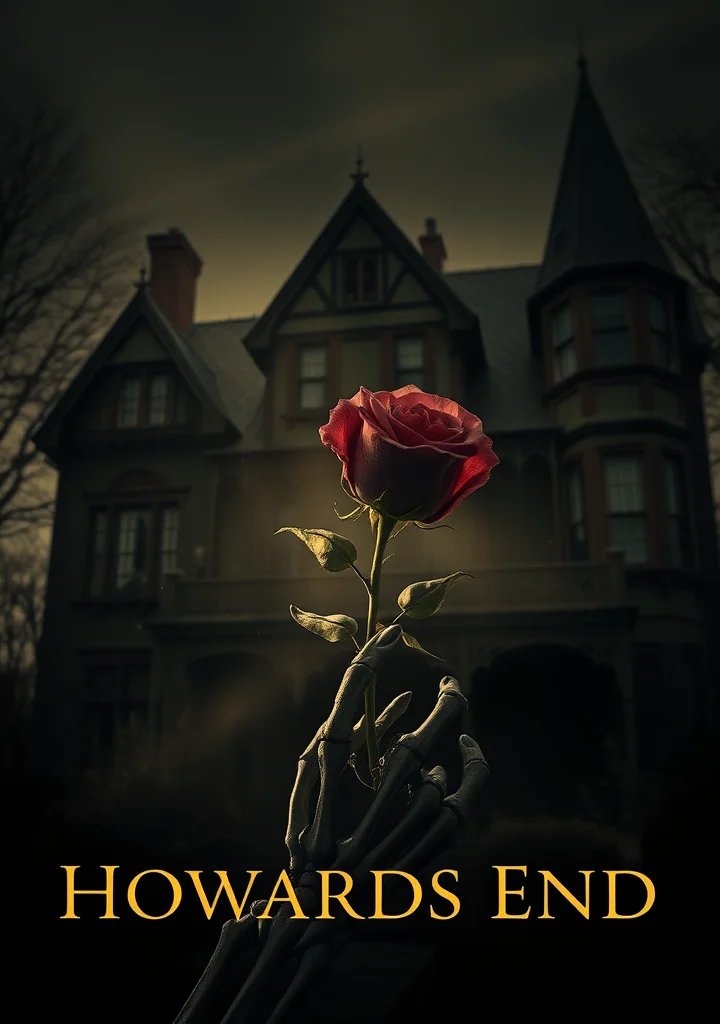
Dust motes dance in the perpetual twilight of Howards End, a house steeped in the slow decay of England’s soul. The scent of dying roses clings to the shadowed hallways, mirroring the stifled desires and unspoken griefs of those drawn to its orbit. It is a place where the past isn’t merely remembered, but *breathes* within the walls, a weight upon the chests of its inhabitants. A chill, born not of the English climate but of fractured inheritance, permeates the very brick and mortar. The narrative unfolds as a creeping fog, obscuring the boundaries between lives intertwined by circumstance and haunted by ancestral echoes. A delicate, brittle web of connection – and possession – stretches between the Schlegel sisters and the pragmatic, self-made Wilcox family. Each encounter is shadowed by a quiet desperation, a yearning for something lost or never possessed. The atmosphere is one of elegant claustrophobia: grand rooms filled with the silence of unfulfilled longing, gardens overgrown with the thorns of regret. A sense of inevitable entanglement pervades the prose, mirroring the insidious growth of ivy across the ancient stone. It is a story told in half-tones, in the rustle of silk against the gloom, in the unspoken tension of shared meals and stolen glances. The tragedy isn’t found in dramatic outburst, but in the slow erosion of hope, the stifling of breath within the gilded cage of social expectation. A haunting, pervasive melancholy clings to the pages like the damp earth of an English autumn.
35 Part
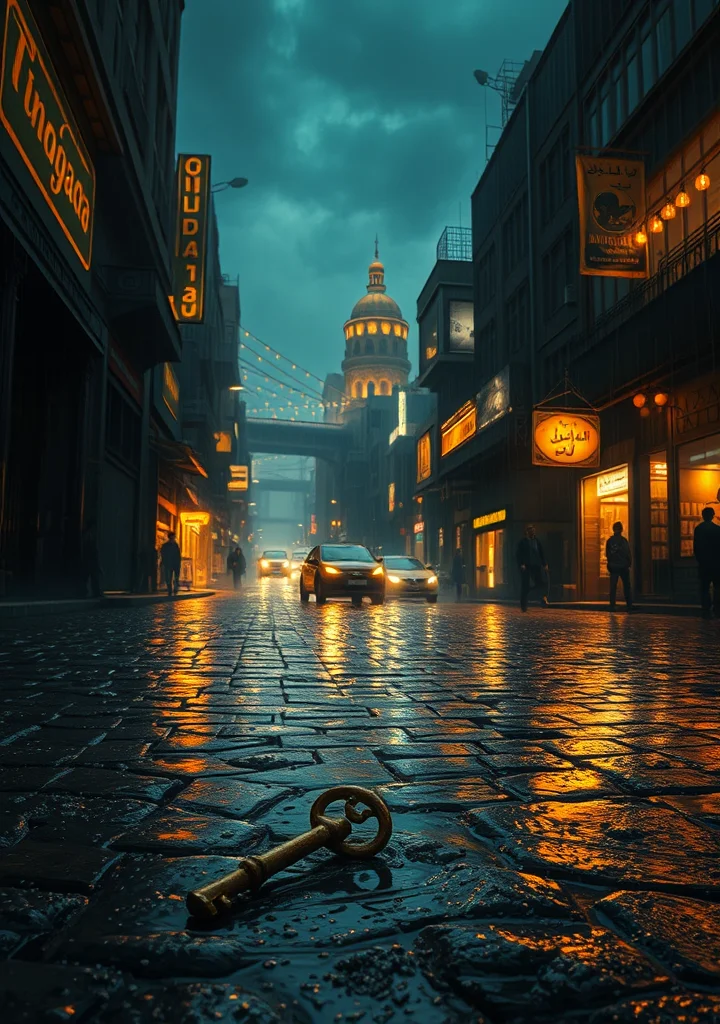
A creeping dampness clings to every page, mirroring the subterranean passage that dominates this fractured narrative. Here, the London streets exhale not into sunlight, but into a labyrinth of echoing brick and shadowed alcoves. The protagonist, adrift in a city both vast and suffocating, finds herself drawn – or perhaps driven – towards a network of tunnels beneath the city’s heart. These aren’t merely physical spaces, but corridors of memory, of unspoken desires, and of a creeping, nameless dread. The narrative unravels like damp thread, pulling at the edges of a life fractured by loss and yearning. A fractured, internal world is rendered through fragmented perceptions. Every encounter, every overheard fragment of conversation, feels weighted with a melancholic resonance. The air is thick with the scent of coal dust and decay, punctuated by the distant rumble of unseen machinery. There is a sense of being watched, of being drawn into a conspiracy of shadows, not by villains, but by the very fabric of the city itself. The tunnel is a metaphor, of course—a descent into the subconscious, a descent into a forgotten self. The prose is less about what is seen, and more about what is *felt* – the cold stone against skin, the suffocating weight of the earth above, the gnawing certainty of something lost, irretrievable, and buried deep within the echoing darkness. A claustrophobic, hypnotic descent into the heart of a woman’s unraveling, and a city’s hidden wounds.
74 Part
A perpetual twilight clings to the Dorrit family, born within the suffocating walls of the Marshalsea Debtors’ Prison. Dust motes dance in the shafts of pallid sunlight that penetrate the gloom, illuminating a world built on inherited despair. The narrative unfolds not as a story of escape, but of entrenchment – a slow, creeping rot within the heart of London’s shadowed districts. A suffocating domesticity, laced with the scent of decay and stale hope, pervades every corner. The city itself breathes a feverish sickness, its cobblestones slick with rain and regret. The weight of ancestral debts presses down like a leaden shroud, mirroring the labyrinthine streets where shadows stretch and lengthen, obscuring the boundaries between freedom and imprisonment. There’s a fragility to the light, a constant sense of something crumbling beneath a veneer of civility. Even the briefest glimpses of sun-drenched fields feel haunted by the prison’s pervasive darkness. The narrative whispers of forgotten inheritances, of lives spent meticulously charting the boundaries of their own cages, and the suffocating intimacy of a family bound by misfortune, not love. A creeping melancholy clings to the prose, a sense of inevitability that echoes in the hollow chambers of the heart. It’s a world where the smallest kindness feels like a desperate plea against oblivion, and where every act of charity is stained with the knowledge of inevitable loss.