Pengklaiman Ahli Hutan
  • 16
  • 0
  • 4
  • Read 16
  • 0
  • Part 4
Ongoing, First published May 23, 2026

Kisah ini membuka ke lanskap yang penuh ketegangan saat Dahlia menavigasi sebuah dunia di mana perjalanan sederhana ke rumah neneknya menjadi serangkaian pertemuan yang meresahkan bab ini mencoba untuk menyatakan kemerdekaannya di tengah-tengah perhatian yang tidak diinginkan dari laki-laki yang menantang jalannya. dari sebuah proposisi awal untuk pernikahan untuk semakin konfrontasi di padang belantara, petunjuk narasi pada kekuatan kompleks dan bahaya kehidupan pedesaan..
Copyright: All Rights Reserved
No person is allowed to use, redistribute, or modify your work in any form without your explicit permission.
Recommended for you
57 Part
Dust hangs thick in the Polish air, heavier than the linen worn by the peasants of Lipce. The seasons bleed into one another, marked not by calendar dates but by the ache in backs bent over soil, the slow rot of autumn’s bounty, the brutal thaw of spring revealing the bones of forgotten winters. This is a world where the land itself remembers, steeped in ancient rites and shadowed by superstitions that cling to the thatch roofs and muddy lanes. Every harvest is a pact with the unseen, every birth a fragile defiance of the hunger that gnaws at the edges of existence. But beneath the rhythm of the fields, a darkness stirs. A simmering discontent festers amongst the villagers, born of land disputes, whispered grievances, and the stifling weight of tradition. The air crackles with resentment, thick with the scent of manure and the metallic tang of blood spilled in drunken brawls. The boundaries between the human and the bestial blur in the long nights, fuelled by vodka and the primal urges that grip men driven to desperation. It is a world of brutal beauty, where the line between reverence and savagery is drawn in the crimson streaks of sunset over a wheat field, and where the silence between the thatched roofs whispers of secrets buried deeper than the roots of the ancient oaks. The very soil seems to pulse with a dark, vital force, a testament to the lives broken and rebuilt within its embrace. A slow, creeping dread descends, as the cycles of the seasons mirror the descent into violence that threatens to consume Lipce and all who dwell within its shadowed borders.
65 Part
A suffocating fog clings to the cobblestones of Paris, mirroring the miasma of dread that seeps from the shadowed alleys and the decaying grandeur of the city’s heart. Gaboriau doesn’t offer a mere crime to unravel, but a descent into a labyrinthine underworld where the desperate are bound by debts of flesh and spirit to a cabal of silent, unseen masters. The air is thick with the scent of rot—not just of corpses discovered in the Seine, but of lives systematically broken down, of wills surrendered to a creeping, insidious control. Each chapter feels like a stolen glance through a keyhole, revealing glimpses of shadowed figures flitting between pawn shops and opium dens. The narrative winds through a decaying aristocracy, haunted by past sins and complicit in present ones, and a brutalized underworld of forgers, thieves, and the discarded. It’s a Paris where every whispered confidence is a transaction, every act of kindness a snare, and the boundaries between victim and predator blur into a sickening grey. The novel doesn't build to a climactic reveal, but rather unravels like a unraveling shroud, revealing not *who* commits the crimes, but *how* the very fabric of Parisian society is woven with corruption. A sense of helplessness pervades, a suffocating weight that descends with the Parisian rain. The reader is not merely observing a mystery; they’re being submerged in the moral decay of a city on the brink of collapse, where the only true currency is silence, and the price of freedom is paid in stolen breaths.
48 Part
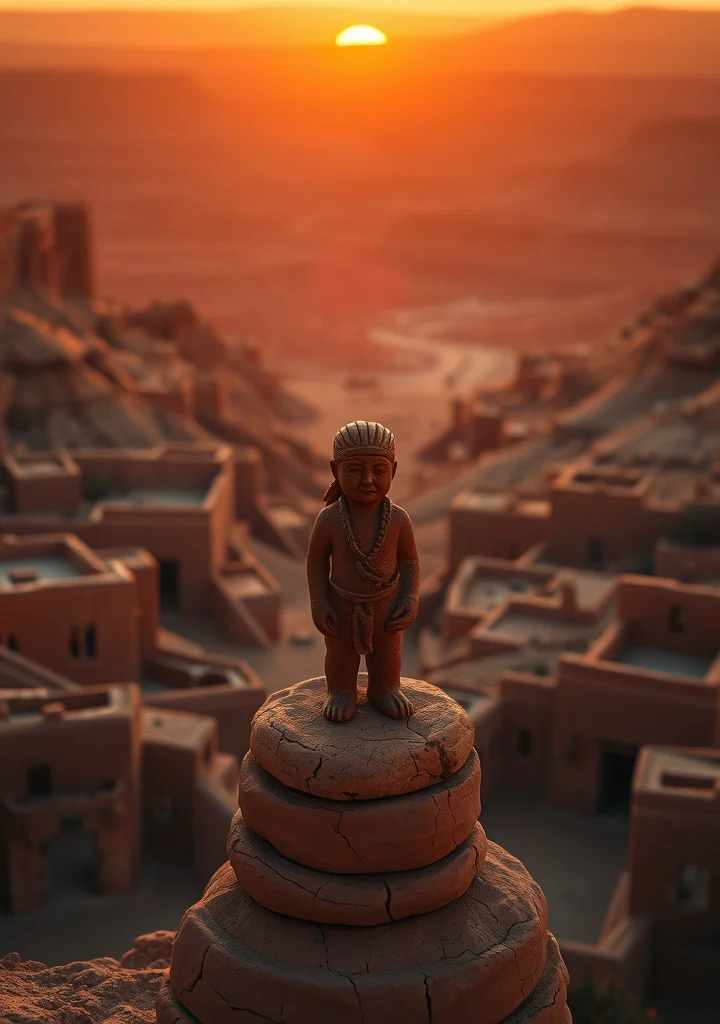
Dust-choked canyons whisper with the ghosts of sun-scorched prayers. Within the crumbling adobe walls, the air hangs thick with the scent of piñon smoke and something older – the weight of stories carved into bone and stone. These are not tales told around hearthfires, but echoes dragged from the mouths of the dead, carried on the rasping breath of the desert wind. Cushing doesn’t offer simple myth; he peels back the layers of Zuni belief, revealing a labyrinth of shadowed kivas and star-haunted mesas. The sun bleeds crimson onto the mesas as Coyote’s trickery unravels the boundaries between worlds. Each story feels less like a recounting and more like an excavation—a digging into the earth to unearth a cold, pulsing heart of ancestral memory. The narrative is fractured, possessed by the spirit of the storyteller, a man lost in the labyrinth of the Zuni world. The beauty is brittle, laced with the desperation of a people clinging to their past as the white man’s shadow lengthens. It’s a haunting, a slow rot of tradition, observed with a scholar's detachment and yet steeped in an unnerving intimacy with the spirits of the place. The reader is not simply told of the Zuni world—they are *held* within it, gasping for air in the suffocating darkness of the kivas, and witnessing the dance of the dead under a moon of bleached bone. This is not folklore, but a descent into a ritualistic dreamscape where the line between the living and the vanished dissolves into sand.