
Tower Fallout
  • 23
  • 0
  • 4
  • Read 23
  • 0
  • Part 4
Completed, First published May 18, 2026

The narrative traces Peter Parker’s early experiences navigating life as Spider-Man alongside the Avengers. Initially, a school trip to Avengers Tower—intended as a mentorship opportunity with Tony Stark—escalates into a crisis when Peter is targeted by bullying. Later chapters reveal the intense protective instincts of the Avengers, particularly Natasha Romanoff, as they grapple with Peter’s vulnerabilities and the challenges of managing his sensory overload. These excerpts depict a dynamic between Peter and the Avengers, marked by surprise and a growing sense of camaraderie as they attempt to integrate a young hero into their world.
Copyright: All Rights Reserved
No person is allowed to use, redistribute, or modify your work in any form without your explicit permission.
Recommended for you

23 Part
Dust motes dance in the long shadows of plantation houses, even after the master’s reign has crumbled. This is not a tale of polished triumph, but one clawed from the earth with bleeding hands and a spirit forged in the kiln of hardship. A suffocating humidity clings to the narrative, thick with the scent of pine needles and the unspoken grief of generations. Every step forward is measured in loss—loss of kin, of dignity, of the very earth beneath bare feet. The weight of chains, though broken, echoes in the hollows of every achievement. The story breathes with the stifled cries of children sold like livestock, the rasp of a plow dragged across unforgiving soil, and the quiet desperation of a people rebuilding not just homes, but souls. It isn’t a light that illuminates this path, but a flickering ember—a fragile warmth against a backdrop of perpetual twilight. There’s a spectral presence in the classrooms built from scraps, a haunting in the faces of those who learn to read by the dim glow of a borrowed candle. The narrative doesn’t soar; it *rises* – slowly, agonizingly, from the mire of injustice. It’s a landscape etched with the ghosts of promises broken and the thorns of deferred dreams. A creeping unease permeates even the victories, for even in freedom, the shadow of the whip never fully dissipates. This is a story of resurrection, yes, but one born from the grave—a testament to endurance carved in bone and stained with tears.
74 Part
The air hangs thick with brine and decay, clinging to the damp stone of the Breton manor like a shroud. Germinie, a creature born of the shadows and the sea’s cold kiss, is less woman than phantom, tethered to the decaying life of the de Touars by a devotion steeped in bitterness and shadowed longing. Each chipped porcelain doll, each faded silk gown she tends to, breathes the rot of a forgotten grandeur. The manor itself is a labyrinth of echoing corridors, where dust motes dance in slivers of light revealing portraits of a lineage consumed by ennui and vice. A suffocating intimacy blossoms between Germinie and the aged, invalid aristocrat she serves, an intimacy born not of passion but of shared isolation, of bodies failing within the confines of the crumbling estate. The narrative unravels as a slow poison, seeping into the foundations of the house and the hearts of those within. A feverish, suffocating atmosphere of obligation, resentment, and the morbid beauty of decay permeates every page, leaving the reader adrift in a perpetual twilight of unspoken desires and the suffocating weight of unfulfilled lives. The scent of lavender and mold clings to everything, mirroring the slow unraveling of Germinie’s spirit—a haunting presence woven into the very fabric of the decaying manor, a specter bound to the fate of a dying dynasty. The narrative breathes with the rhythm of the sea against the cliffs, a constant, mournful ebb and flow mirroring the decline of both body and mind.
29 Part
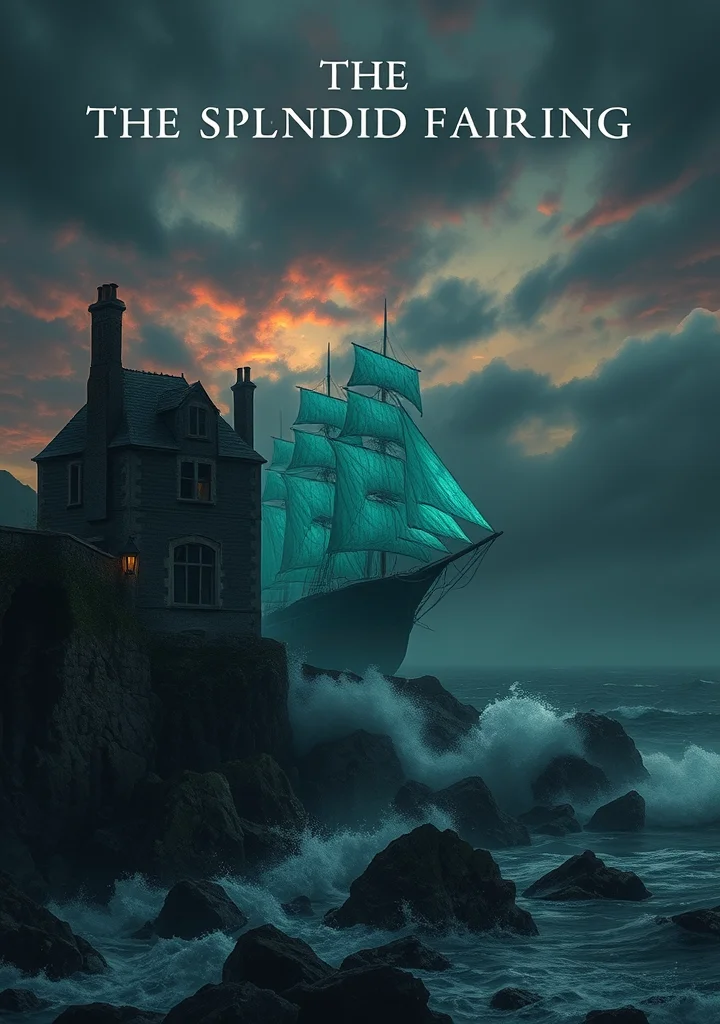
A creeping dread clings to the salt-laced air of the Cornish coast, where the crumbling manor of Porthallow stands sentinel against a bruised, perpetual twilight. Within its shadowed halls, Elara Penrose, orphaned and bound by duty to a distant, brittle uncle, discovers a legacy woven not of gold, but of whispers and brine-soaked secrets. The Splendid Fairing is not a vessel of joy, but a spectral ship glimpsed only in the fever-dreams of the dying – a phantom bearing the stolen heirlooms of generations lost to the sea’s avarice. Each chapter descends further into a suffocating claustrophobia, mirroring the labyrinthine coves and forgotten smugglers’ tunnels beneath Porthallow. The scent of decay – damp stone, mildewed velvet, and the metallic tang of old grief – permeates every room. Elara’s investigations unravel a tapestry of local superstitions, tales of drowned women who lure sailors to their doom, and the unsettling obsession of the villagers with the ebb and flow of the tide. A haunting stillness pervades the narrative, broken only by the mournful cry of gulls and the rhythmic pulse of the waves against the cliffs. The manor itself feels less a house and more a tomb, breathing with the weight of centuries. As Elara draws closer to the truth of the Fairing’s spectral voyage, she finds herself increasingly adrift in a world where the boundary between the living and the dead is as porous as the crumbling seawalls, and where the splendor of inheritance is purchased with the currency of despair. The novel is steeped in a sense of inevitable tragedy, a slow, agonizing descent into the shadowed heart of a coastal curse.