Sinyal ke Barat
  • 4
  • 0
  • 3
  • Read 4
  • 0
  • Part 3
Ongoing, First published Jun 01, 2026

Kisah awal dari hubungan yang tak terduga sebagai pemain dalam permainan online *Heroes of Olympus* menavigasi perubahan dunia nyata. awalnya dipicu oleh persaingan, sebuah rapport bermain-main berkembang antara Annabeth dan lawan misterius, sonosoofpose_seaweed_neas, memberi tahu konsekuensi yang belum terungkap. sebagai karakter seperti Percy bergulat dengan relokasi dan mengantisipasi sekolah-sekolah baru, persahabatan diuji dan diperkuat. sementara itu, Annabeth menemukan dirinya sibuk dengan kemungkinan mengenali otak beraposeden secara pribadi, dan kedatangan Thalia menimbulkan pertanyaan tentang identitasnya..
Copyright: All Rights Reserved
No person is allowed to use, redistribute, or modify your work in any form without your explicit permission.
Recommended for you
71 Part
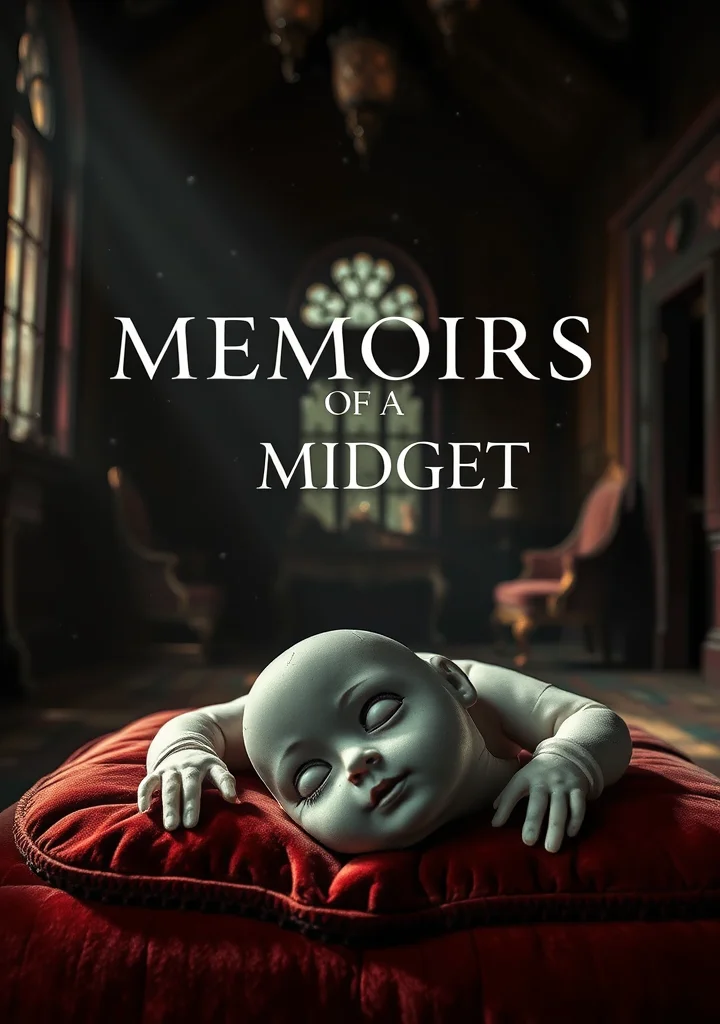
The air hangs thick with dust and the scent of decay, clinging to the shadowed corners of a decaying manor house. Within, a life unfolds not as a grand narrative, but as a series of fragmented recollections – whispers of a man diminished, both physically and in stature, swallowed by the suffocating grandeur of his ancestral home. The narrative coils like ivy around crumbling stone, a slow, deliberate unveiling of isolation. Each memory is a chipped porcelain doll, beautiful yet fractured, reflecting a childhood steeped in morbid fascination and the stifled resentment of those who towered above him. The prose is a draught from a forgotten cellar, laced with the chill of loneliness. Sunlight feels like an intrusion, unwelcome on skin that has grown accustomed to perpetual twilight. The reader is not merely told of the man’s smallness, but *feels* it – the weight of averted gazes, the echoing emptiness of rooms too vast for his presence, the insidious erosion of self-worth. The house itself breathes, a living thing that both protects and imprisons. The garden, overgrown and feral, mirrors the tangled, thorny emotions within. A palpable sense of dread permeates every chapter, not from external horrors, but from the creeping rot of a soul consumed by its own quiet desperation. It is a haunting, not of ghosts and ghouls, but of the hollow ache of being unseen, unheard, and utterly alone in a world built for giants. The final pages feel like a descent into a suffocating darkness, where the only sound is the fading echo of a life lived beneath the shadow of its own making.
23 Part
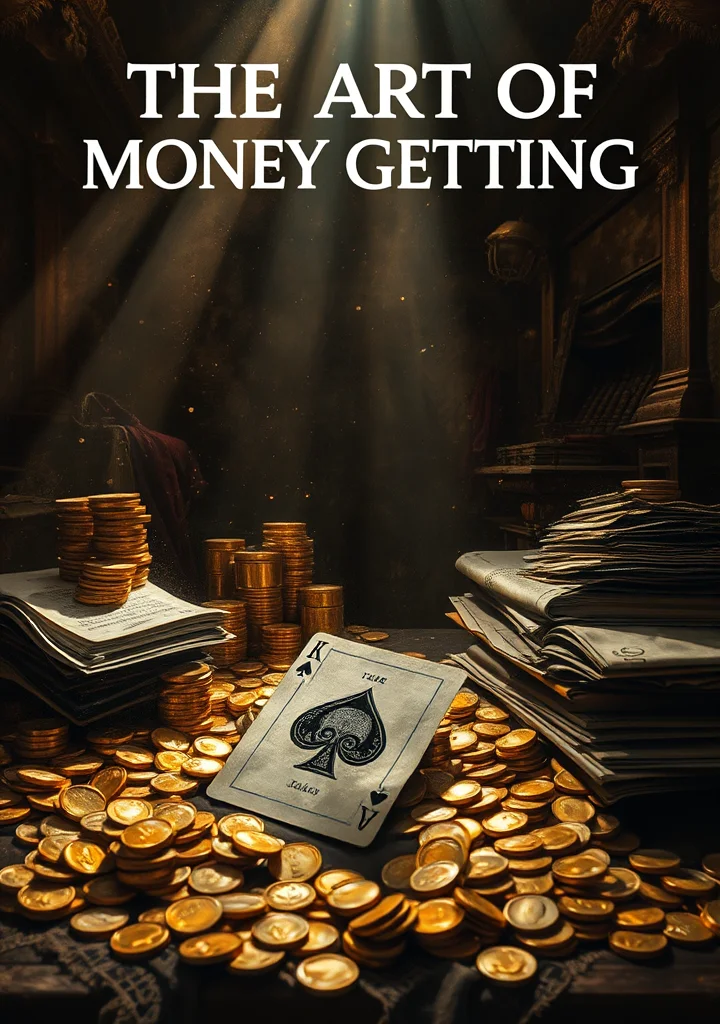
Dust motes dance in the perpetual twilight of a forgotten counting house, where the scent of old paper and decaying ambition clings to the shadowed walls. This is not a tale of simple acquisition, but a descent into the gilded rot of obsession. Barnum’s ‘Art’ unfolds as a fever dream of speculation—a labyrinthine city built on whispers and the crumbling facades of fortunes won and lost. Each chapter breathes with the chill of calculated risk, the suffocating velvet of confidence schemes, and the gnawing hunger for more than mere sustenance. The narrative is less a how-to manual and more a confession, scrawled in the blood of broken men and the hollow echoes of empty vaults. It’s a story of mirrors, reflecting not wealth, but the monstrous desires that feed it. A spectral ledger appears to haunt the pages, detailing not sums, but the slow unraveling of morality. The air thickens with the rustle of unseen contracts, the phantom touch of grasping hands, and the cold, clinical precision of a man dissecting the very heart of human need. Shadows lengthen as the author’s voice, a spectral auctioneer, relentlessly catalogues the currency of delusion. It is a grim spectacle, where every transaction leaves a residue of ash, and the final price paid is not in gold, but in the erosion of the soul itself. The book doesn’t promise riches—it promises a haunting, a glimpse into the abyss where avarice becomes a consuming god.
26 Part
A creeping fog clings to the shattered remnants of empires, mirroring the ruinous calculations etched into every treaty line. This is not a history of battles won, but of debts accrued, of futures bartered away in gilded salons and shadowed counting houses. The air hangs thick with the scent of ash and regret, a chill seeping from the very stone of Versailles. Each paragraph feels like a slow excavation of a buried grief, uncovering the rot beneath the veneer of restoration. The narrative doesn't explode with violence, but unravels in the quiet decay of promises broken. It’s a story told in ledger books and whispered anxieties, a creeping dread that settles not in grand catacombs, but in the hollowed-out eyes of merchants and the tightening grip of creditors. A suffocating weight presses down, not of armies, but of unrealized loans and the spectral hunger of nations left to starve on the bones of their pride. The prose itself is a labyrinth of clauses and caveats, mirroring the intricate, suffocating web of obligations woven after the war. It's a world lit by the flickering gaslight of statistical tables, where every decimal point feels like a nail hammered into the coffin of stability. A subtle, pervasive despair permeates the text, the sense that even in the meticulous charting of consequence, the abyss stares back, indifferent to the logic of man. The true horror isn't found in the carnage of the guns, but in the cold, elegant precision with which hope is systematically dismantled, and the silence that follows.
30 Part
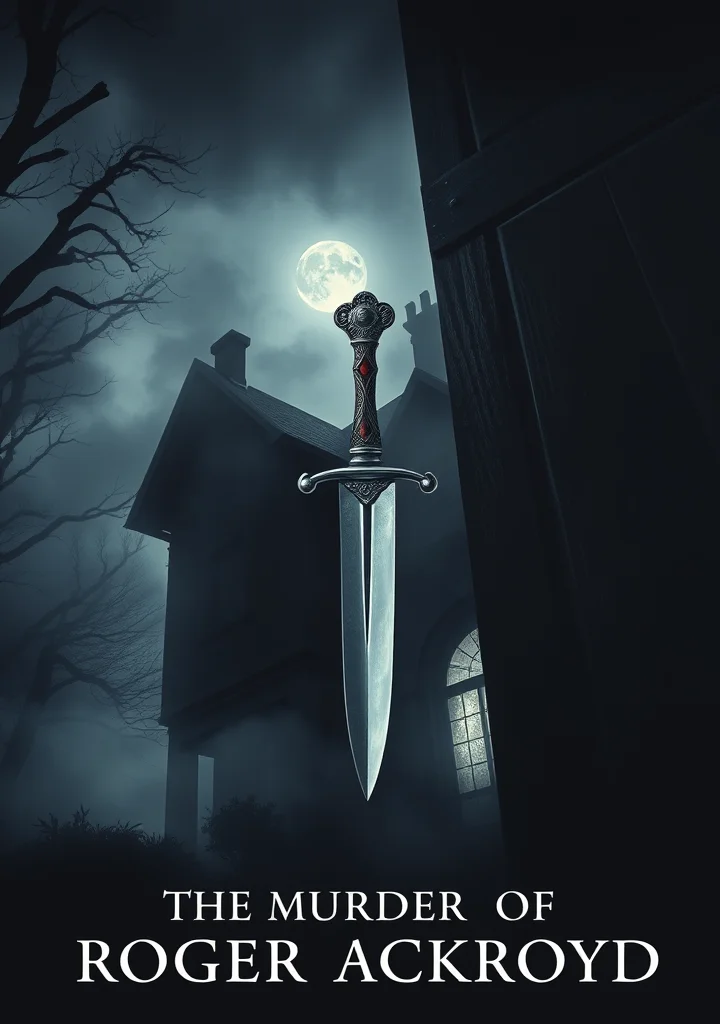
A creeping fog clings to the village of King’s Abbots, mirroring the suffocating secrets held within its shadowed lanes. The late Roger Ackroyd, a man of standing, lies dispatched with a silver dagger in his study – a room thick with the scent of old money and unspoken dread. But the true horror isn’t the act itself, but the confession whispered to a bewildered Dr. Sheppard, a man now bound by a pact of silence, a complicity that chills him to the bone. The house itself breathes with a stifled history, each antique object a witness to the decaying morality of its inhabitants. Whispers follow Sheppard through the darkened hallways, hints of illicit affairs, concealed debts, and the simmering resentments of a household poised on the brink of collapse. Every face observed through the leaded windows is a mask concealing a hidden motive. The investigation is a descent into a labyrinth of deception, where the truth is buried beneath layers of polite society and the weight of unconfessed sins. A sense of decay permeates every interaction, a sense that the very foundations of this idyllic village are riddled with rot. The reader is drawn into the suffocating grip of a narrative where every conversation feels like a carefully constructed lie, and the final revelation will leave a lingering chill long after the last page is turned. The darkness doesn’t come from the crime, but from the monstrous humanity that orchestrated it.