
-
Read 622
-
0
-
Part 34
Completed, First published Mar 02, 2026
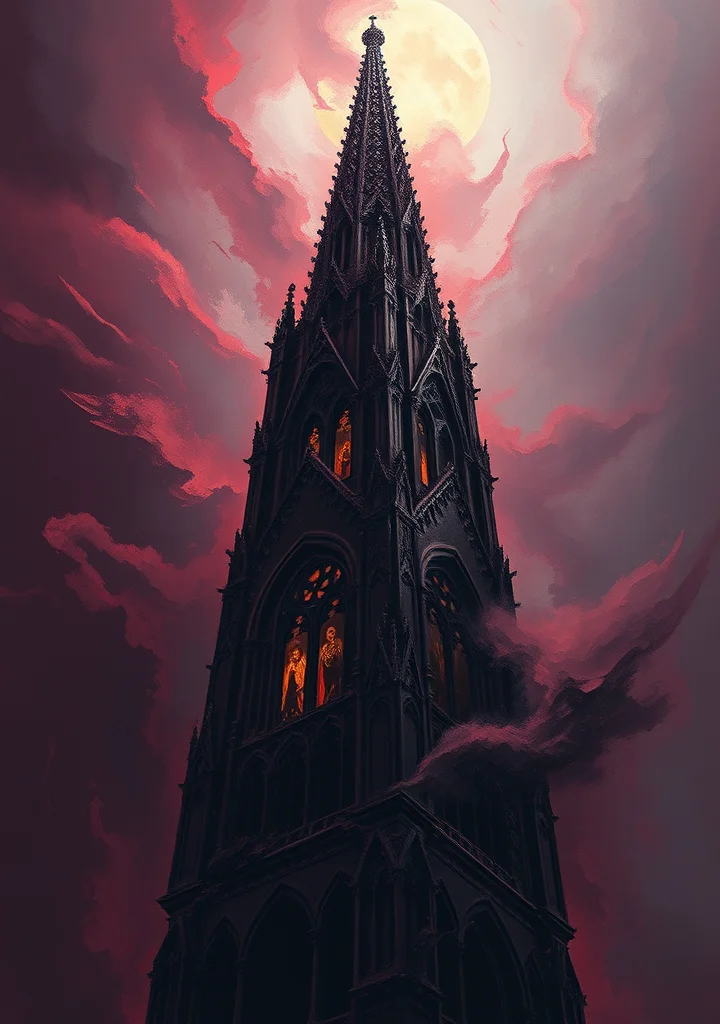
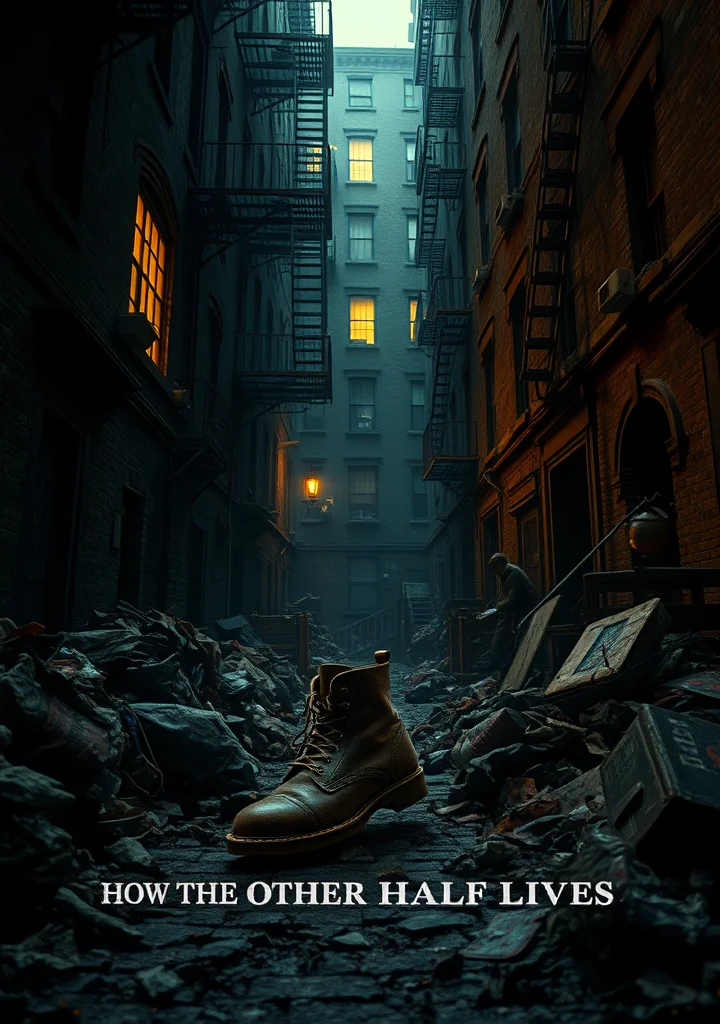
A suffocating darkness clings to these streets, not of shadow, but of despair. Riis doesn't offer tales of ghouls or specters, but something far more chilling – the documented rot of human existence, pressed against brick and mortar. Imagine a city exhaling sickness, a labyrinth of tenements breeding vermin and broken bodies. Each room breathes with the stench of hopelessness, each alley whispers of lives crushed under the weight of circumstance. There’s no escape from the gaze of the unseen, the unseen being the crushing poverty that has become a living tomb. The pages themselves seem to weep with the grime of coal dust and the bitter salt of tears. It is not a story of monsters *out there*, but of the monstrous conditions *within* – a slow, creeping dread that consumes the soul. The air hangs thick with the weight of children’s coughs, and the silence between rooms is filled with the hollow ache of starvation. This is not merely observation; it is a descent into a waking nightmare, a descent into the very heart of the city's decay, where humanity itself is being devoured, one room, one family, one life at a time. The darkness isn’t just *in* the slums; it’s *from* them, seeping into the very foundations of the world above.
Copyright: Public Domain
This license allows anyone to use your story for any purpose, including printing, selling, or adapting it into a film freely.
This license allows anyone to use your story for any purpose, including printing, selling, or adapting it into a film freely.
Chapter List
-
« How the Other Half Lives »📖 Continue Reading
-
« Preface »
-
« Chapter_4 »
-
« Introduction »
-
« How the Other Half Lives »
-
« I »
-
« II »
-
« III »
-
« IV »
-
« V »
-
« VI »
-
« VII »
-
« VIII »
-
« IX »
-
« X »
-
« XI »
-
« XII »
-
« XIII »
-
« XIV »
-
« XV »
-
« XVI »
-
« XVII »
-
« XVIII »
-
« XIX »
-
« XX »
-
« XXI »
-
« XXII »
-
« XXIII »
-
« XXIV »
-
« XXV »
-
« Appendix »
-
« Chapter_34 »
-
« Chapter_35 »
-
« Chapter_36 »
34
-
« How the Other Half Lives »
-
« Preface »
-
« Chapter_4 »
-
« Introduction »
-
« How the Other Half Lives »
-
« I »
-
« II »
-
« III »
-
« IV »
-
« V »
-
« VI »
-
« VII »
-
« VIII »
-
« IX »
-
« X »
-
« XI »
-
« XII »
-
« XIII »
-
« XIV »
-
« XV »
-
« XVI »
-
« XVII »
-
« XVIII »
-
« XIX »
-
« XX »
-
« XXI »
-
« XXII »
-
« XXIII »
-
« XXIV »
-
« XXV »
-
« Appendix »
-
« Chapter_34 »
-
« Chapter_35 »
-
« Chapter_36 »
More like this