
Richard II
  • 166
  • 0
  • 26
  • Reads 166
  • 0
  • Part 26
Completed, First published Mar 02, 2026

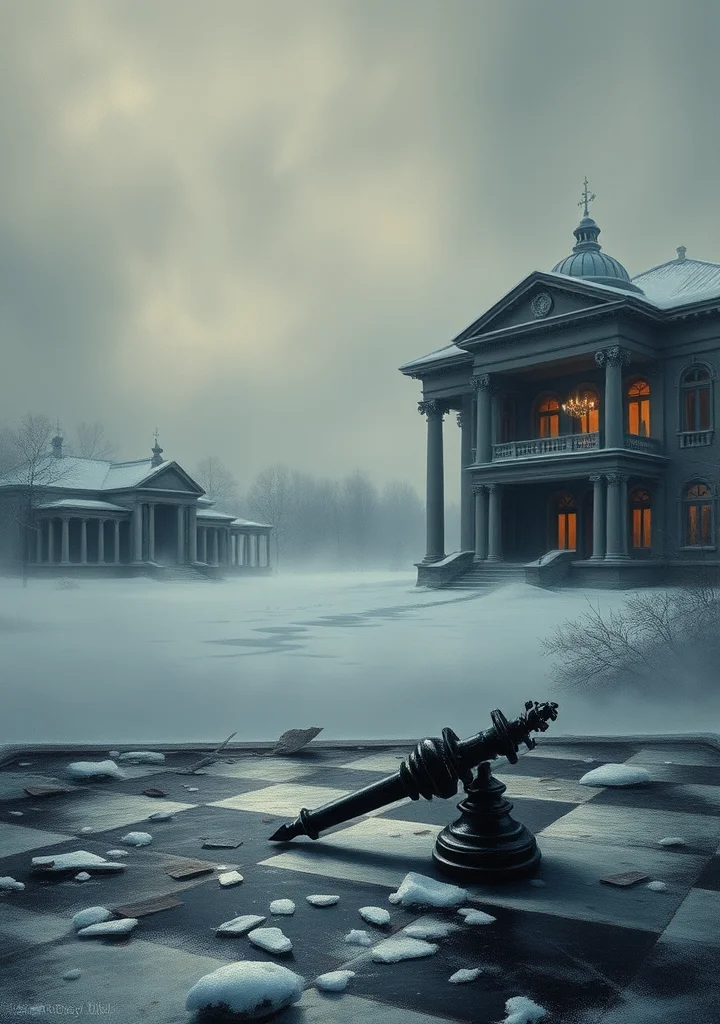
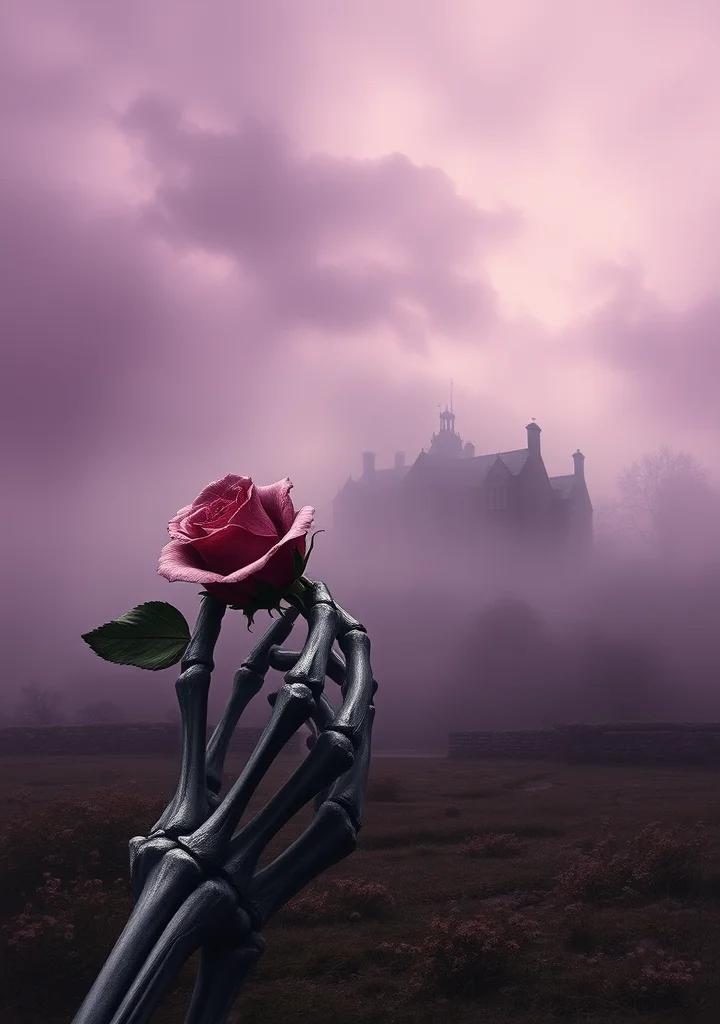
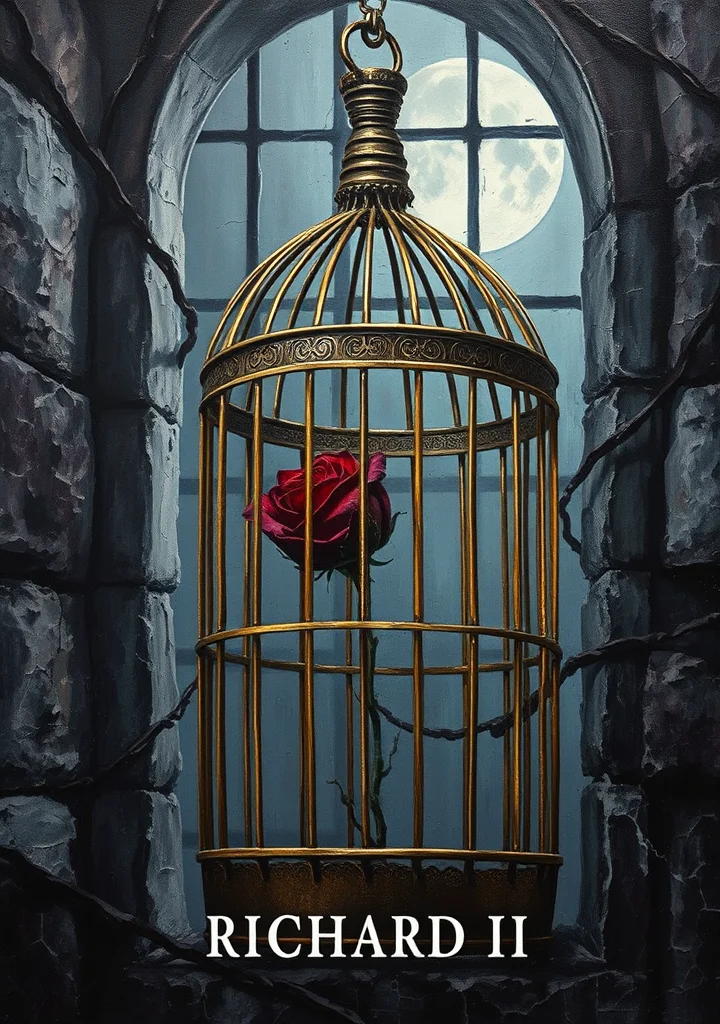
A creeping dread settles amongst the stone of Elsinore, though no Dane commands this stage. Instead, the chill emanates from a gilded cage—a kingdom lost, a crown surrendered. The air hangs thick with the scent of decaying roses and whispered accusations. Richard’s fall isn’t a clash of steel, but a slow rot of authority, a silken unraveling witnessed through shadowed halls and echoing chambers. Here, the usurpation is not born of brute force, but of subtle, poisonous blooms of discontent. Each act of defiance, each murmured conspiracy, feels less like rebellion and more like the fracturing of glass—a beautiful, brittle thing collapsing inward. The landscape mirrors the king's decline: grey castles looming over barren fields, mirroring the hollowed-out men who gather like carrion birds around a dying sovereign. The very earth seems to mourn with Richard, weeping mist and clinging fog. The true terror isn’t Bolinbroke’s ambition, but the realization that a throne, once so absolute, can vanish into the ether like a phantom breath, leaving only the echoing silence of what *was*. A kingdom haunted by the ghost of its former glory, and the chilling premonition of a darkness yet to come. The weight of lost power lingers in every shadowed corner, a suffocating perfume of regret and the cold, hard touch of inevitability.
Copyright: Public Domain
This license allows anyone to use your story for any purpose, including printing, selling, or adapting it into a film freely.
Recommended for you
45 Part
A fog-choked New York winter yields not just snow, but a corpse—a wealthy lawyer found shot dead in his locked study, a single playing card, the queen of spades, resting upon his breast. The chill seeps into the grand brownstone of Leavenworth, a house steeped in secrets and shadowed by a family fractured by greed. A web of suspicion tightens around a cast of unsettlingly polite, yet subtly desperate characters: a grieving, yet strangely composed widow; a nephew burdened by debt and ambition; a stoic, watchful butler whose silence feels like a confession. The investigation unfolds not with brute force, but with a meticulous unraveling of domestic rituals, overheard whispers, and the delicate, deceptive language of inheritance. Every polished surface reflects a hidden motive, every shadowed corner a potential crime. The reader is drawn into a claustrophobic dance of deduction, guided by a shrewd, observant narrator who understands that the most damning evidence is often found not in what is said, but in what is *not*. The air hangs heavy with the scent of lilies and regret, the rhythmic tick of grandfather clocks marking the slow decay of trust. As the snow falls and the city darkens, the true horror isn’t the act of murder itself, but the insidious rot of family obligation and the chilling realization that even the most respectable facades conceal a darkness capable of swallowing a man whole. The Leavenworth Case is a study in how easily a life, and a fortune, can be extinguished within the suffocating elegance of a gilded age.


2014 Part
A chill wind whispers through sun-bleached Spanish ruins, carrying the scent of brine and decay. Don Juan is not merely a man, but a shadow stretched long across a continent, a fever dream of indulgence and disillusionment. His journey is one of restless flight, not from justice, but from the suffocating weight of a world built on hypocrisy. Each port, each encounter, peels back another layer of gilded rot, revealing a darkness that clings to him like the salt spray on a decaying mast. The narrative unravels through fractured confessions, a labyrinth of wit and weariness where cynicism blooms like night-blooming cereus. Every smile is a reprieve from a deeper, unspoken grief; every embrace, a fleeting warmth against an encroaching cold. The Mediterranean burns with a feverish brilliance, mirroring the protagonist’s own self-consuming passions, while the echoes of battles – both won and lost – resonate in the hollow chambers of his heart. He drifts through aristocratic salons and Moorish harems, a phantom observer caught between desire and despair. The sea itself seems to conspire with his melancholic fate, drawing him towards a horizon perpetually shrouded in mist. His is a tale of exquisite ruin, where beauty and brutality intertwine, leaving the reader adrift in a sea of unanswered questions and the lingering scent of jasmine and gunpowder. A perpetual twilight clings to his existence, a haunting reminder that even the most dazzling brilliance casts the longest shadows.
6 Part
A creeping dread clings to the shadowed streets of Paris, mirroring the decay within Béatrix’s very soul. Balzac doesn’t offer romance, but a slow, exquisite unraveling. The narrative coils around a young woman whose beauty is a fragile inheritance, purchased with a desperate bargain struck against a creeping, inherited malady. Her existence is a gilded cage, gilded with the sickly sheen of ambition and financed by a husband whose affections are as cold as the marble of his ancestral estate. The air within is thick with the scent of decaying fortunes, whispered debts, and the suffocating weight of societal expectation. Each gesture, each calculated smile, feels less like living and more like a performance staged for a ravenous audience. A pervasive sense of rot permeates every scene, not merely in the crumbling grandeur of the homes but in the hearts of those who inhabit them. The novel doesn't reveal monsters in the darkness, but exposes the monstrous compromises made in the light. The narrative is less concerned with what happens *to* Béatrix than with the subtle erosion of her spirit, a fading luminescence devoured by the insatiable hunger of the Parisian elite. It’s a story of exquisite confinement, where the only escape is a descent into a darkness more profound than the illness that threatens to consume her. The shadows lengthen, and with each passing chapter, one feels the tightening grip of a fate far more sinister than mere mortality.
19 Part
Beneath the sun-bleached stones of Sicily, a shadow descends. Not of bandits or political intrigue, but a creeping dread woven into the very fabric of ancient villas and crumbling chapels. The narrative unfolds within a labyrinth of sun-drenched courtyards concealing forgotten histories, and the scent of jasmine masking the rot of decaying grandeur. A young Englishwoman, adrift in a land of simmering passions and veiled secrets, finds herself drawn into a family’s fractured legacy—a legacy haunted by whispers of a tragic past. The air hangs thick with the weight of unfulfilled desires, and the heat breeds not just fever, but a suffocating claustrophobia. Each crumbling archway seems to observe, each darkened corridor to breathe with the ghosts of those who succumbed to melancholy. The landscape itself becomes a character—a brutal beauty that both lures and threatens. A slow unraveling of the heroine’s composure occurs as she navigates a treacherous dance between duty and desire, guided by a charismatic nobleman whose own shadow-self is barely contained. The romance, as it blooms, is laced with the venom of suspicion. Every stolen glance, every whispered confession, is shadowed by the possibility of deception. The story is less about the passion between two souls, and more about the suffocating atmosphere that threatens to swallow them both—a suffocating atmosphere born of isolation, ancient curses, and the slow, insidious decay of a noble line. The Sicilian soil itself seems to drink the light, leaving only an eternal twilight clinging to the heart of the story.