
-
Read 614
-
0
-
Part 49
Completed, First published Mar 02, 2026
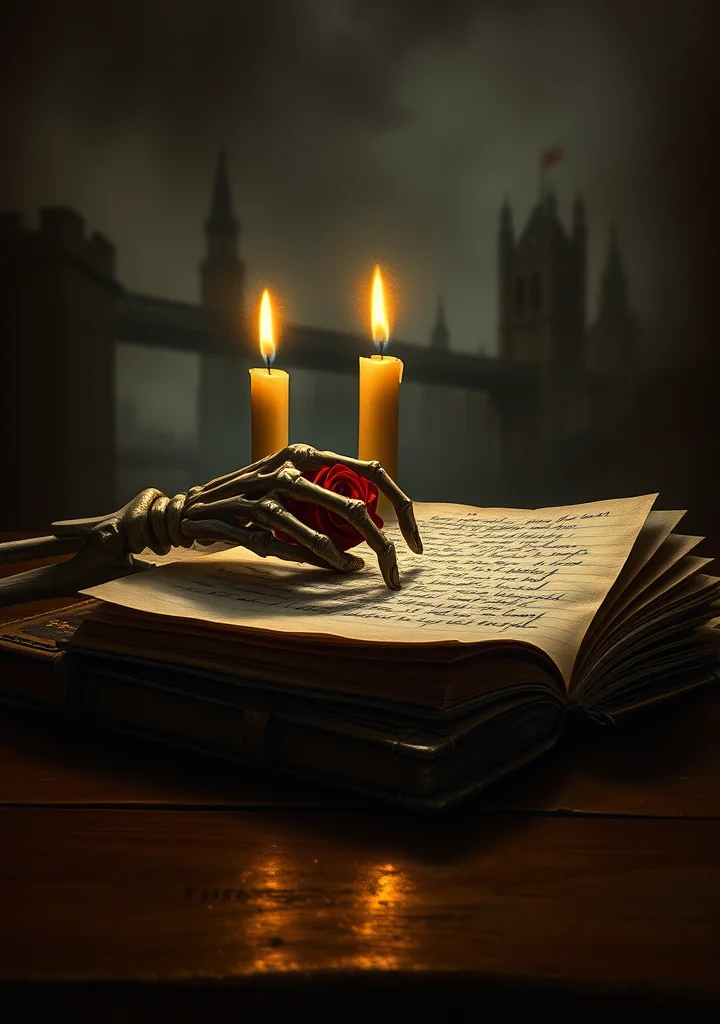
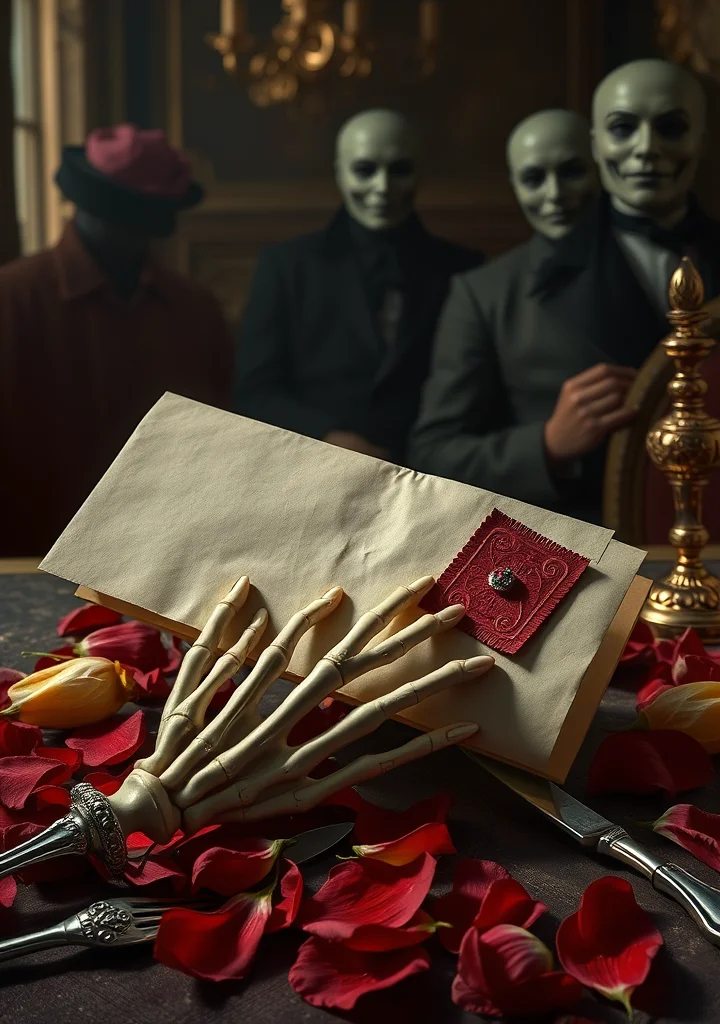
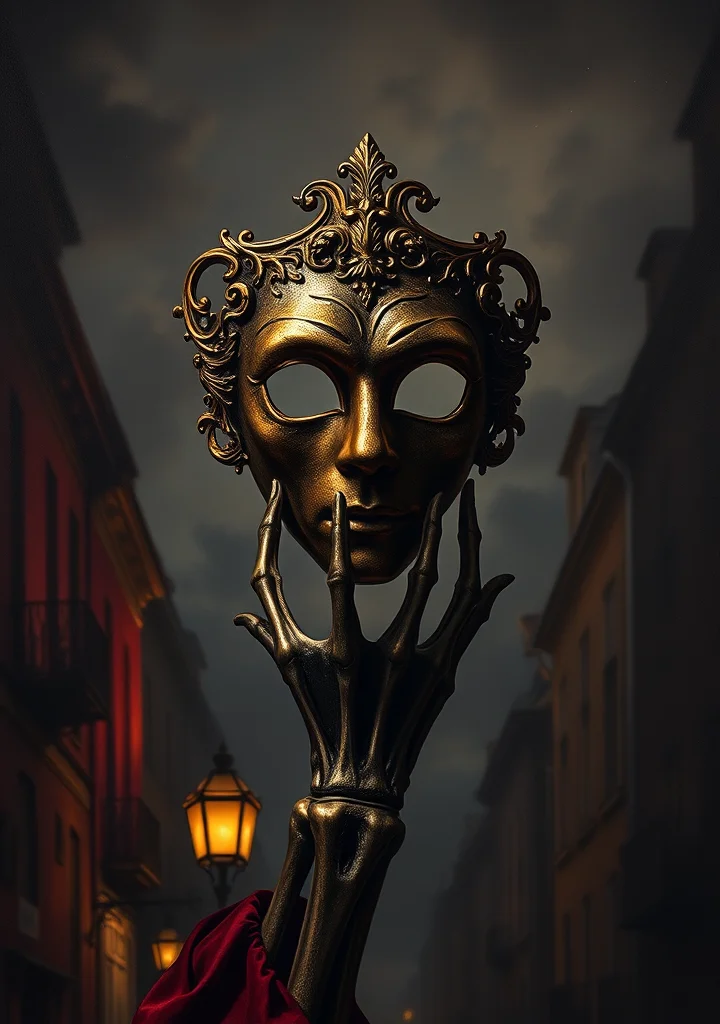
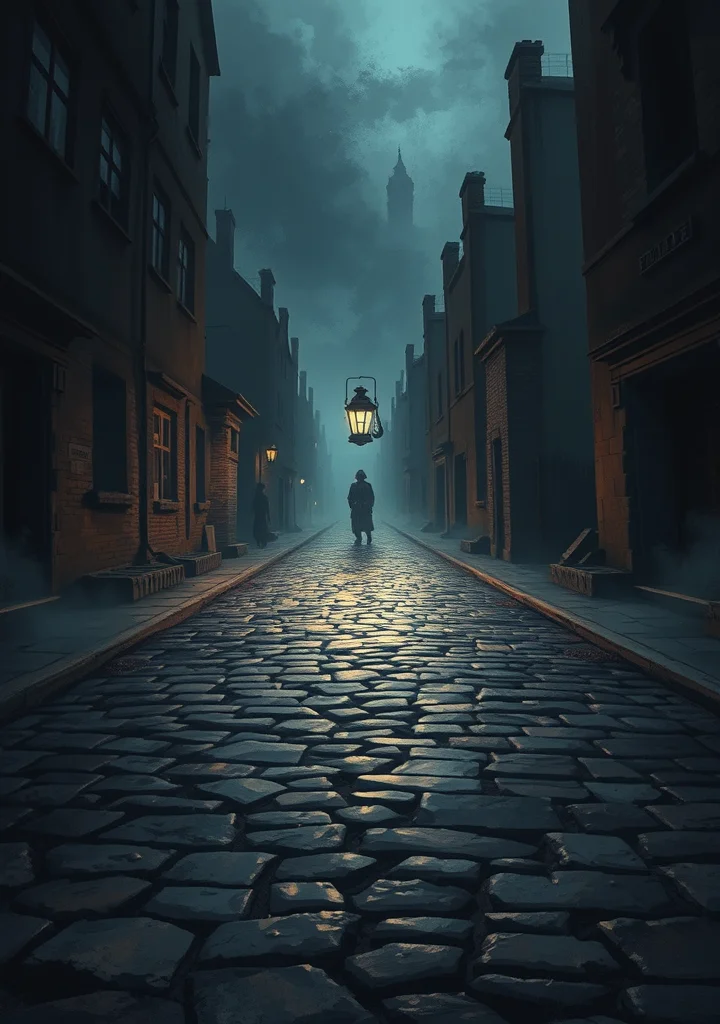
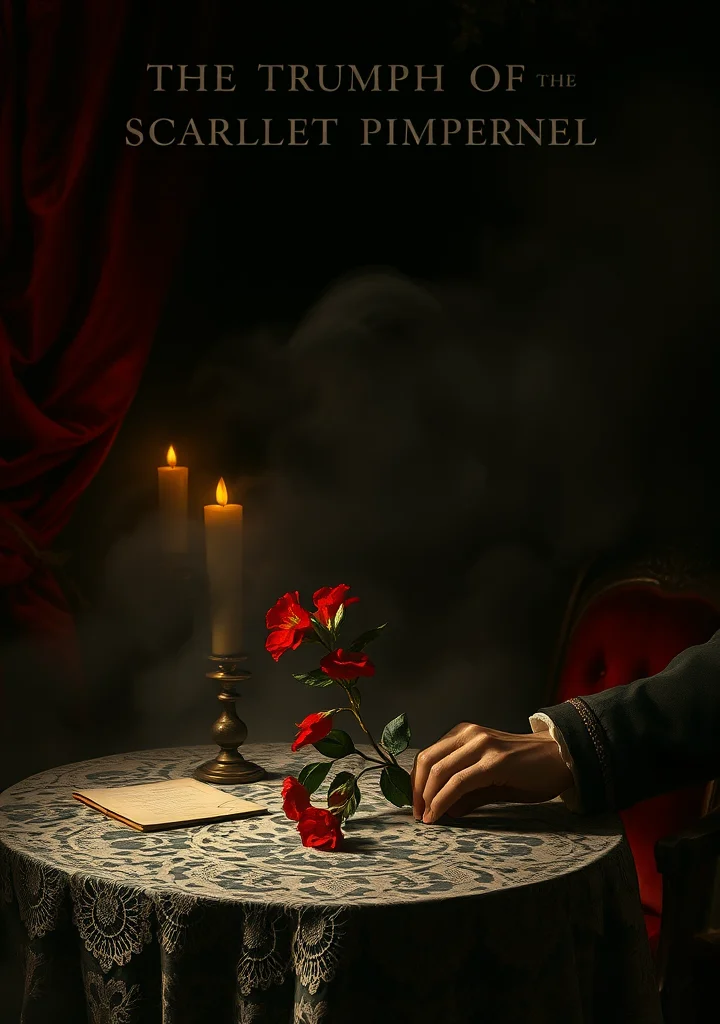
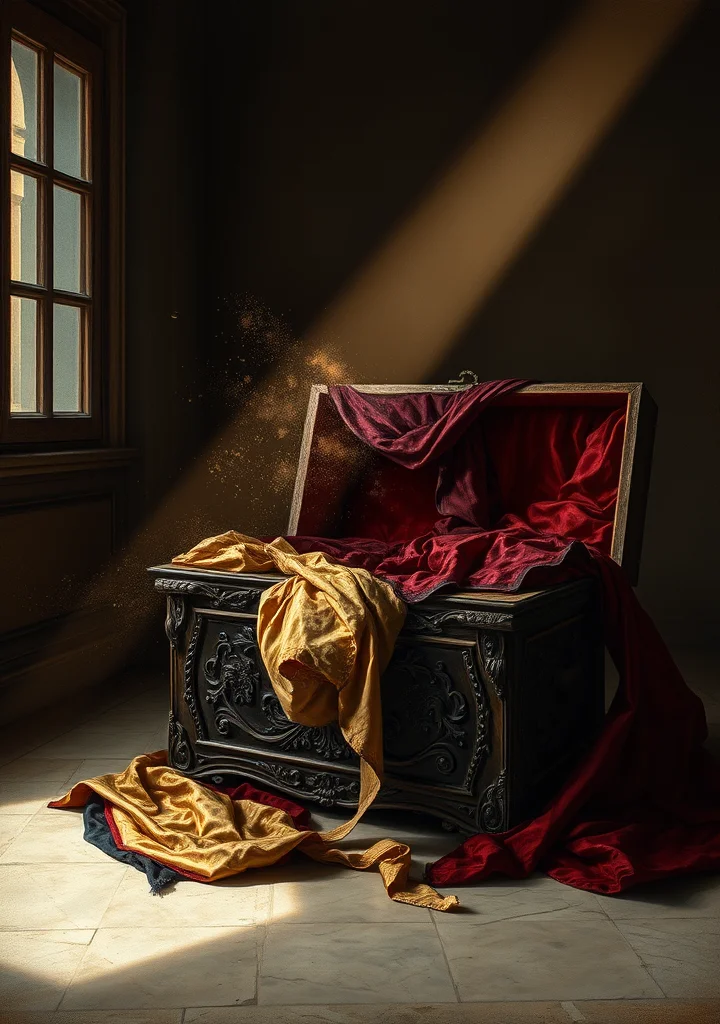
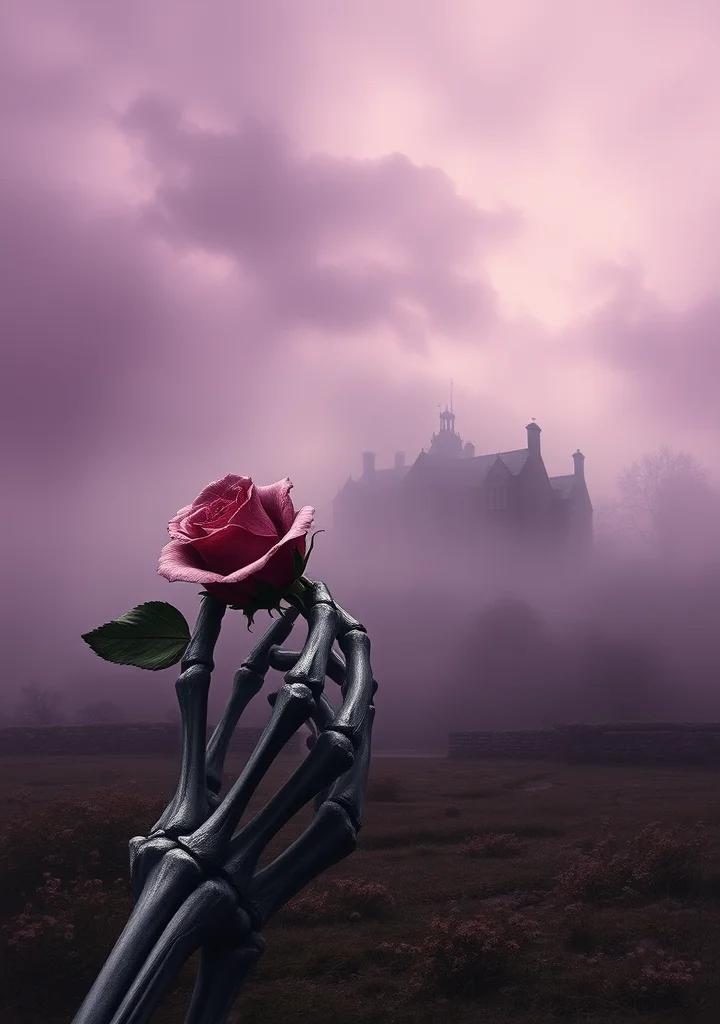
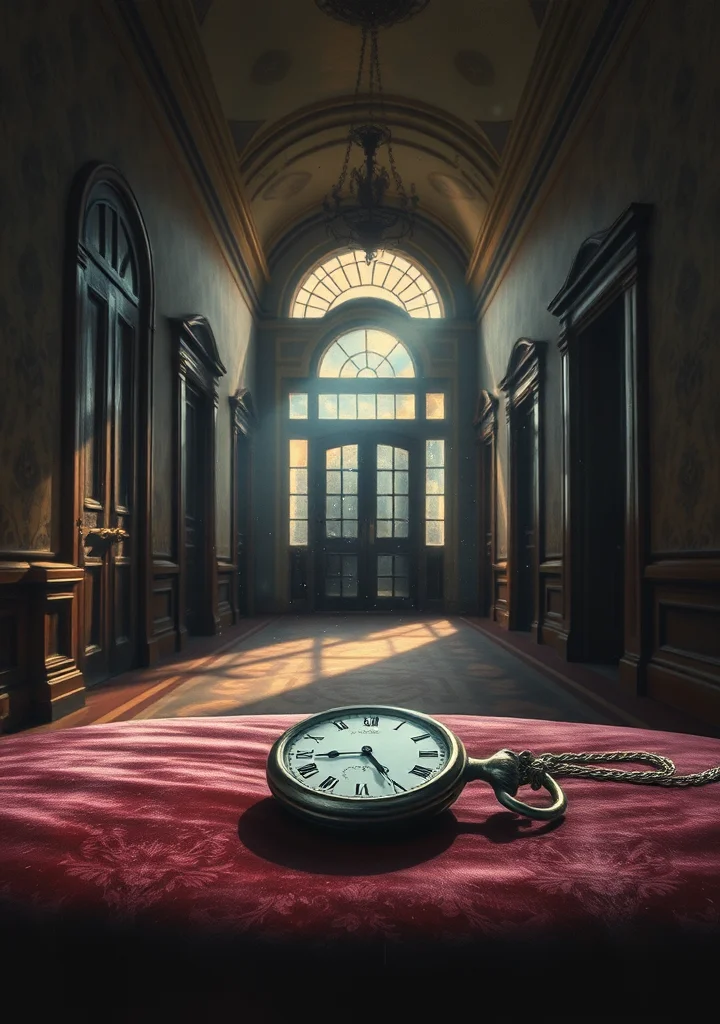
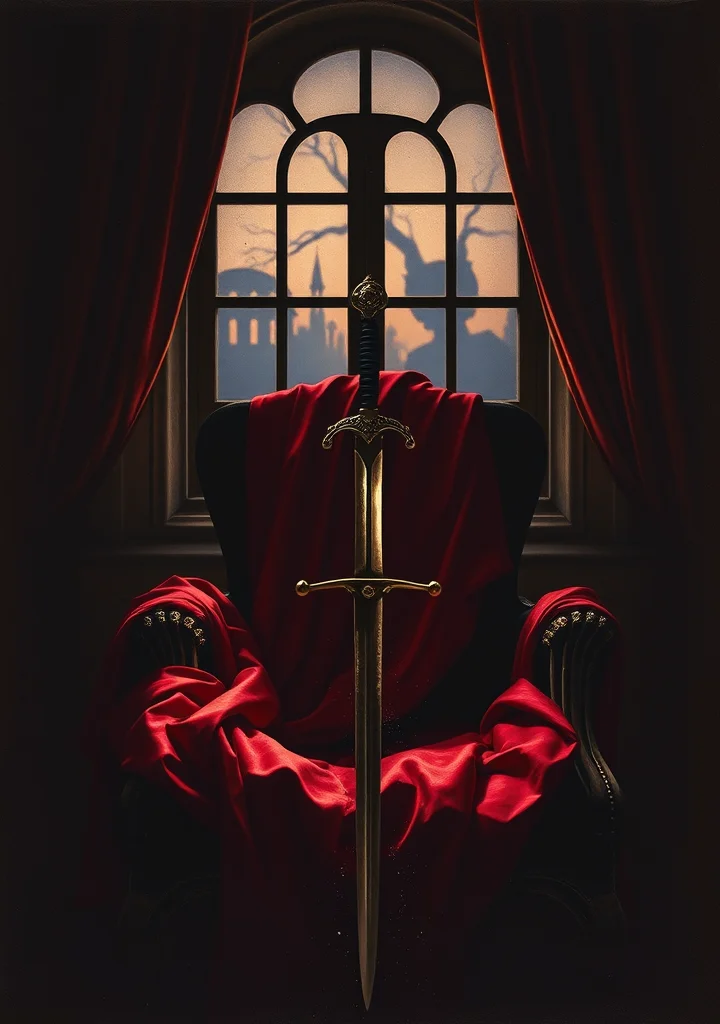
Dust motes dance in the perpetual twilight of crumbling estates and shadowed ballrooms. A legacy of crimson silk and whispered accusations clings to the Chevalier de Valois, a man whose laughter rings with the echo of betrayal and a stolen inheritance. The air hangs thick with the scent of dying roses and the phantom touch of a forgotten duel. He moves through a France teetering on the edge of revolution, a phantom himself, haunted by the ghost of a love he both craved and destroyed. Every gilded mirror reflects not his face, but the specter of a woman driven to madness—a madness born of pride, vengeance, and a lover’s calculated charm. The story unravels like a decaying tapestry, stitched with the threads of obsession, secret pacts, and the chilling realization that the most beautiful smiles conceal the deadliest of intentions. Beneath the glittering facade of aristocratic society, a darkness festers—a rot of ambition and regret—where the line between savior and monster blurs with every echoing laugh, every stolen glance, and every drop of blood spilled under the pale moonlight. It is a tale where the heart is a gilded cage, and freedom is purchased with a lifetime of haunted regret.
Copyright: Public Domain
This license allows anyone to use your story for any purpose, including printing, selling, or adapting it into a film freely.
This license allows anyone to use your story for any purpose, including printing, selling, or adapting it into a film freely.
Chapter List
-
« The Laughing Cavalier »📖 Continue Reading
-
« An Apology »
-
« The Laughing Cavalier »
-
« The Prologue »
-
« I »
-
« II »
-
« III »
-
« IV »
-
« V »
-
« VI »
-
« VII »
-
« VIII »
-
« IX »
-
« X »
-
« XI »
-
« XII »
-
« XIII »
-
« XIV »
-
« XV »
-
« XVI »
-
« XVII »
-
« XVIII »
-
« XIX »
-
« XX »
-
« XXI »
-
« XXII »
-
« XXIII »
-
« XXIV »
-
« XXV »
-
« XXVI »
-
« XXVII »
-
« XXVIII »
-
« XXIX »
-
« XXX »
-
« XXXI »
-
« XXXII »
-
« XXXIII »
-
« XXXIV »
-
« XXXV »
-
« XXXVI »
-
« XXXVII »
-
« XXXVIII »
-
« XXXIX »
-
« XL »
-
« XLI »
-
« XLII »
-
« XLIII »
-
« XLIV »
-
« XLV »
49
-
« The Laughing Cavalier »
-
« An Apology »
-
« The Laughing Cavalier »
-
« The Prologue »
-
« I »
-
« II »
-
« III »
-
« IV »
-
« V »
-
« VI »
-
« VII »
-
« VIII »
-
« IX »
-
« X »
-
« XI »
-
« XII »
-
« XIII »
-
« XIV »
-
« XV »
-
« XVI »
-
« XVII »
-
« XVIII »
-
« XIX »
-
« XX »
-
« XXI »
-
« XXII »
-
« XXIII »
-
« XXIV »
-
« XXV »
-
« XXVI »
-
« XXVII »
-
« XXVIII »
-
« XXIX »
-
« XXX »
-
« XXXI »
-
« XXXII »
-
« XXXIII »
-
« XXXIV »
-
« XXXV »
-
« XXXVI »
-
« XXXVII »
-
« XXXVIII »
-
« XXXIX »
-
« XL »
-
« XLI »
-
« XLII »
-
« XLIII »
-
« XLIV »
-
« XLV »
More like this