
Manalive
  • 59
  • 0
  • 13
  • Reads 59
  • 0
  • Part 13
Completed, First published Mar 02, 2026

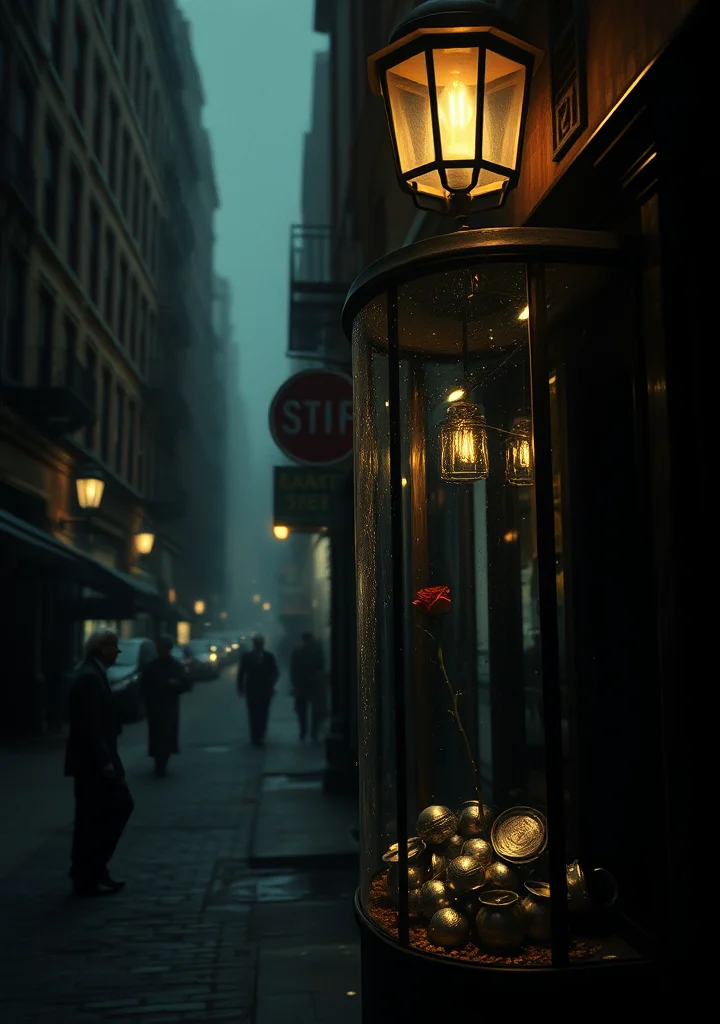
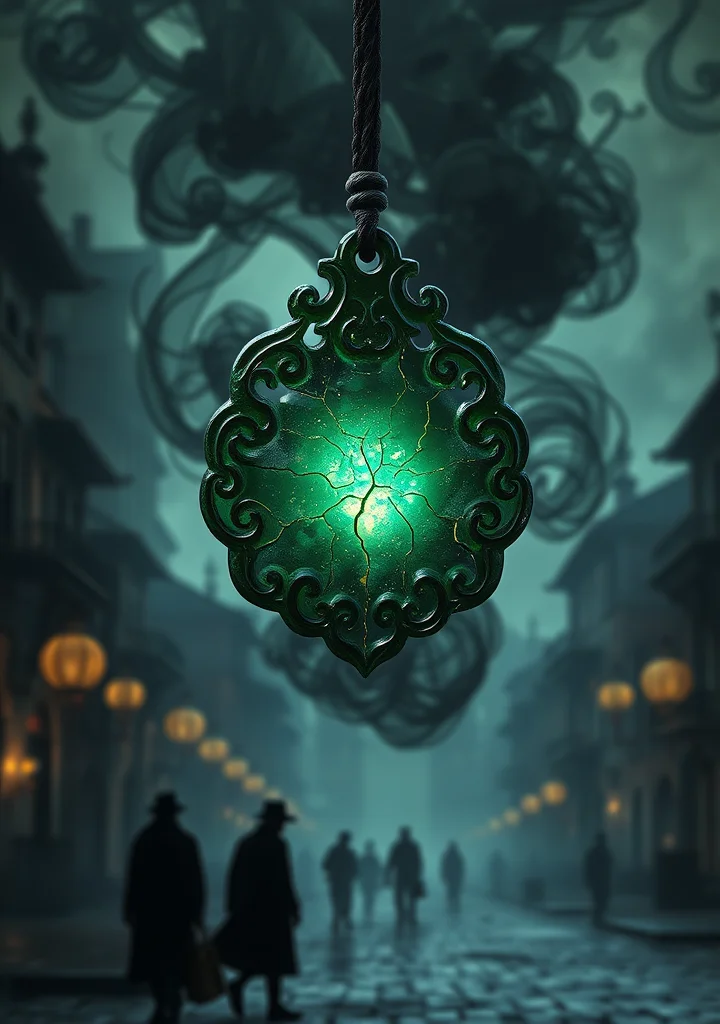
A creeping fog clings to the cobbled streets of London, mirroring the disorientation of Michael Fane, a man returned from the dead—or rather, returned *to* life, having lived for years believing himself in the afterlife. He is a phantom limb in a world that has moved on, his very existence an unsettling disruption of the Victorian order. Chesterton doesn’t offer spectral hauntings or crumbling castles, but a far more insidious dread: the slow erosion of belief, the suffocating weight of a life unacknowledged. Manalive’s return is not a resurrection, but a fracture in reality, a tear in the fabric of normalcy. The city itself seems to recoil from him, its shadows deepening as he navigates a society that finds him monstrously out of time. Every touch, every attempt to reconnect is met with a chilling disconnect. He’s trapped not in a dungeon, but in the cold, polite indifference of a world that has forgotten how to *feel* alive. The novel breathes with the stale air of abandoned rooms and the echoing silence of unshared memories—a haunting not of ghosts, but of what’s lost when the world forgets its capacity for wonder, for the impossible, for the man who simply…remained.

Copyright: Public Domain
This license allows anyone to use your story for any purpose, including printing, selling, or adapting it into a film freely.
Recommended for you
35 Part
The sea claws at the edges of a crumbling estate, a place where the land itself seems to breathe with a malign intelligence. Here, the narrator, adrift in a crumbling, isolated house, charts the slow creep of dread as the boundaries between the real and the spectral dissolve. It is not merely a haunting, but an invasion – not of ghosts, but of things *between* worlds, drawn to the house’s peculiar position between dimensions. The walls themselves weep with an unearthly moisture, mirroring the encroaching nightmares that bleed from the landscape. A suffocating, claustrophobic terror permeates the narrative. The house is not simply a location, but a prison constructed of shifting geometries and suffocating silence. Each room echoes with the residue of forgotten horrors, and the very foundations seem to buckle under the weight of unseen presences. Outside, the sea delivers not wreckage, but fragments of impossible geometries, whispering of cyclopean structures and blasphemous shapes lurking beneath the waves. The air hangs thick with the scent of brine and decay, punctuated by the rasping of unseen claws on stone. It’s a descent into the abyss, not of madness, but of cosmic indifference. The narrator’s sanity frays as the house reveals its true purpose: a nexus point for horrors beyond human comprehension, a place where the veil between realities thins to a gossamer thread, and the darkness beyond stares back with cold, ancient eyes. A suffocating despair settles in, as the realization dawns that escape is not a matter of distance, but of oblivion.
30 Part
A creeping dread settles over the fog-choked streets of London, a chill deeper than winter’s bite. Not from specters or ghouls, but from something far more insidious – a man unseen, unraveling the very fabric of reality with his absence. The narrative coils tight as a noose around the throat of normalcy, beginning with whispers of strange thefts, disrupted lodging houses, and a growing, inexplicable panic. Wells paints not a monster of claws and fangs, but a suffocating terror born of vanished form, of bandages swathing emptiness, of scientific hubris fracturing the boundaries of human perception. The air itself feels thick with paranoia as the story descends into a desperate scramble for containment, a hunt for a phantom who leaves only footprints in the snow and terror in the eyes of those who glimpse his unraveling. Each chapter bleeds into a mounting hysteria, mirroring the Invisible Man’s escalating desperation, his descent into brutal, desperate acts fueled by both scientific ambition and the crushing weight of his own invisibility. The story isn’t about *what* he does, but *how* his unseen presence poisons the very foundations of trust and order. A creeping sense of isolation permeates every shadowed corner, every locked room. The world shrinks to the perspective of those who can only guess at the shape of their fear, until even the most solid objects seem to warp and betray. The narrative becomes a labyrinth of shattered glass, broken windows, and the suffocating weight of a secret too terrible to bear, a descent into a nightmare where the only certainty is the absence of something… and the growing certainty that it’s watching *you*.