
The Scarlet Letter
  • 167
  • 0
  • 29
  • Reads 167
  • 0
  • Part 29
Completed, First published Mar 02, 2026

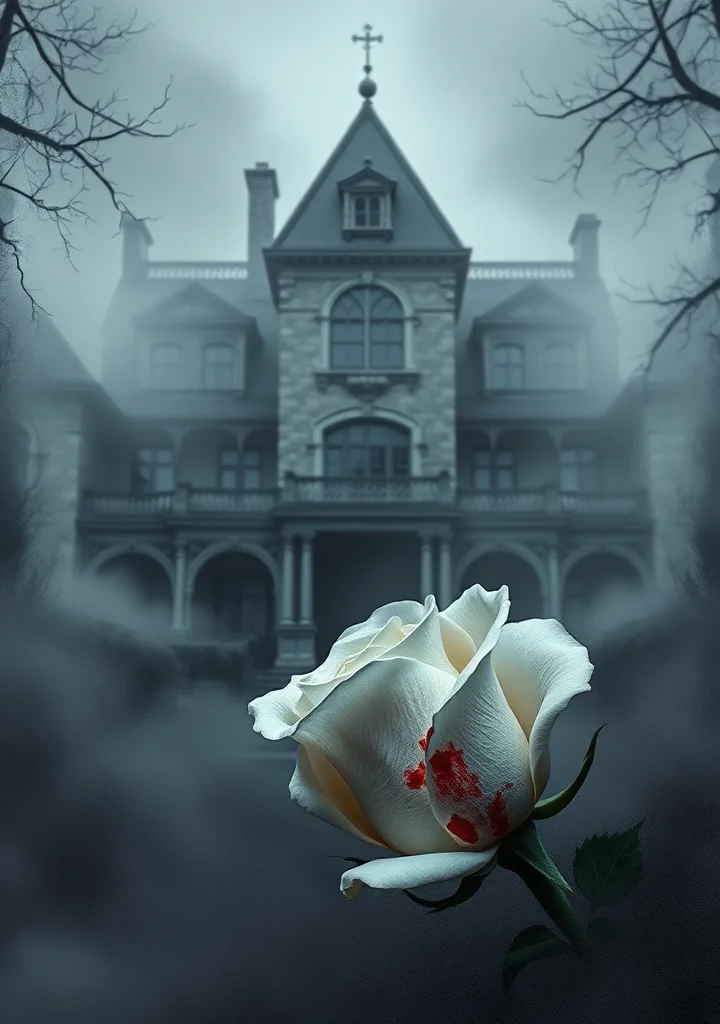
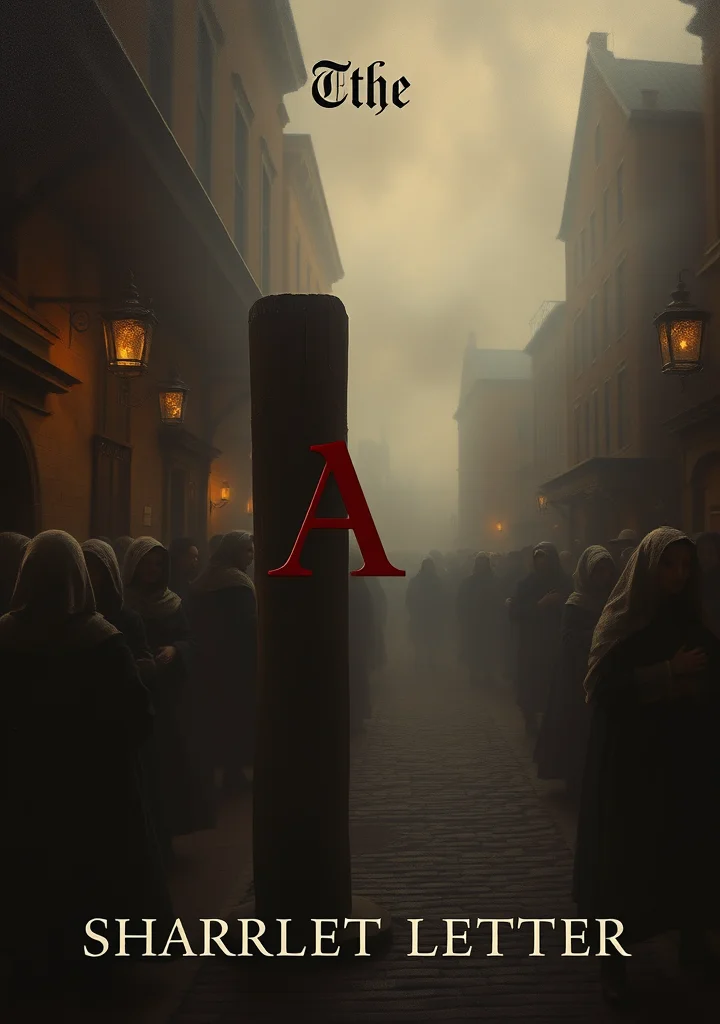
A chilling mist clings to the cobbled streets of Puritan Boston, mirroring the shame that brands Hester Prynne. The narrative unfolds within a suffocating darkness—not merely of sin, but of repressed desire and the relentless scrutiny of a God-fearing community. Every shadow in the marketplace seems to whisper accusations, every glance a judgment. The forest, a spectral realm beyond the town’s rigid boundaries, offers both sanctuary and terror, haunted by the spectral form of a man consumed by vengeance. A palpable dread permeates the air as the weight of unspoken truths presses upon the characters, threatening to unravel their very souls. The crimson letter itself burns not just upon Hester's garment, but within the hearts of those who dare to gaze upon it—a festering wound in the body of their piety. The scent of decay, of secrets buried beneath layers of societal control, rises with each turn of the page, drawing the reader into a labyrinth of guilt and retribution where the boundaries between the earthly and the spectral blur. It is a world steeped in the scent of brine and the rustle of secrets, where the very stones seem to weep with the burden of untold histories.
Copyright: Public Domain
This license allows anyone to use your story for any purpose, including printing, selling, or adapting it into a film freely.
Recommended for you
101 Part
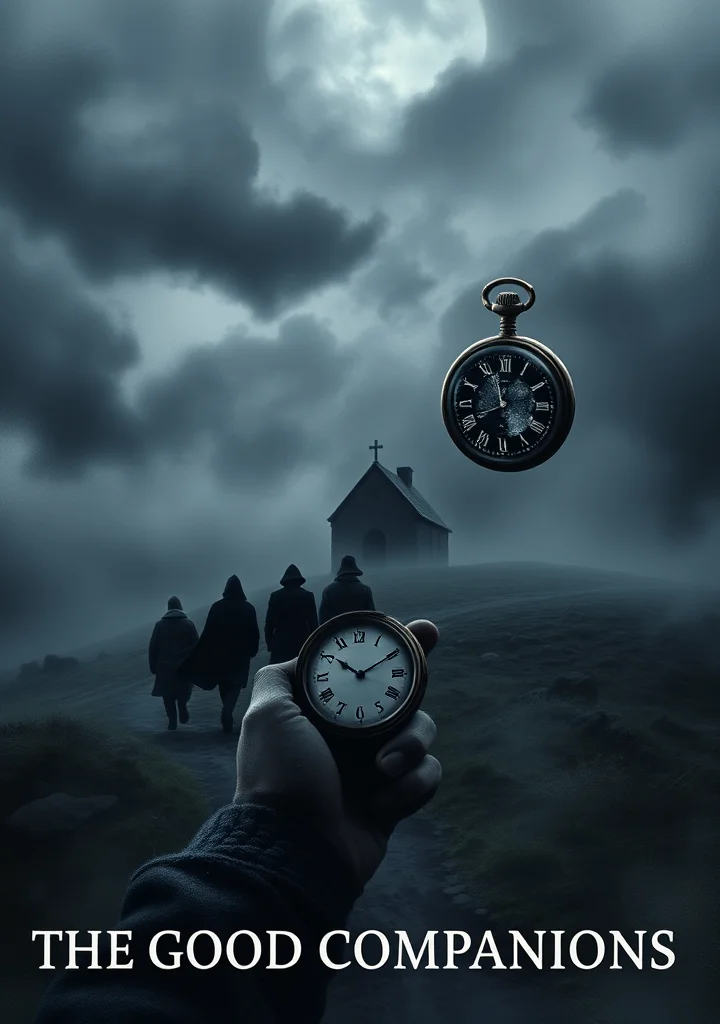
A creeping fog clings to the Yorkshire moors, mirroring the secrets held within the hearts of five strangers bound together by chance and a shared, unsettling journey. The year is nineteen thirty-one, and the weight of England’s failing industries presses down on each companion like a suffocating shroud. But this is no mere tale of economic hardship. It’s a slow unraveling, a gothic pilgrimage across a landscape haunted by fractured memories and the ghosts of unspoken desires. Each character carries a fragment of a forgotten tragedy, their pasts woven into the very fabric of the crumbling pubs and desolate railway lines they traverse. The narrative breathes with a melancholic rhythm, echoing the rhythmic clatter of train wheels and the mournful cry of distant sheep. A sense of premonition hangs heavy – not of spectacular doom, but of quiet, insidious decay. The camaraderie feels brittle, laced with suspicion and a desperate need to understand the shadows lurking within their companions’ eyes. As the companions draw closer to London, the oppressive atmosphere intensifies, mirroring the city’s labyrinthine streets and the moral murk beneath its glittering façade. A creeping sense of inevitability settles upon them, hinting that their shared journey isn’t merely across England, but towards a reckoning with the darkness within themselves. It’s a story told in hushed tones, where the true horrors aren’t found in grand gestures, but in the silences between words and the chilling recognition of shared, unacknowledged grief.

38 Part
A shadowed inheritance. The scent of magnolia and decay clings to the Louisiana plantation where Iola Leroy, a woman passing for white, is drawn into a web of concealed histories and simmering resentments. She moves as a phantom through drawing rooms lit with candelabra fire, her own past a carefully constructed illusion. The air thickens with the whispers of those she has left behind—the mother she can barely recall, the stolen childhood, the weight of a lineage fractured by the auction block. But the house itself breathes with a history far older than its owners, a history woven into the very timbers and draped in the Spanish moss that suffocates the grounds. Every chipped porcelain doll, every tarnished silver frame, seems to watch her with vacant, accusing eyes. Iola’s every kindness is met with a chilling politeness that hides a predatory hunger. The narrative unravels like a tapestry frayed by moths—fragments of letters, snatched conversations overheard in darkened hallways, the slow, deliberate reveal of a secret that threatens to consume Iola’s fragile composure. A sense of creeping dread permeates the narrative, born not from overt violence, but from the stifling weight of expectation, the suffocating silence of complicity, and the ever-present fear of exposure. The garden blooms with poisonous beauty, mirroring the delicate lies upon which Iola’s existence is built. The novel is a slow descent into a haunted landscape of the heart, where the boundaries between self and shadow blur, and the price of freedom is measured in stolen breaths and half-truths.