
Hadji Murád
  • 71
  • 0
  • 28
  • Reads 71
  • 0
  • Part 28
Completed, First published Mar 02, 2026

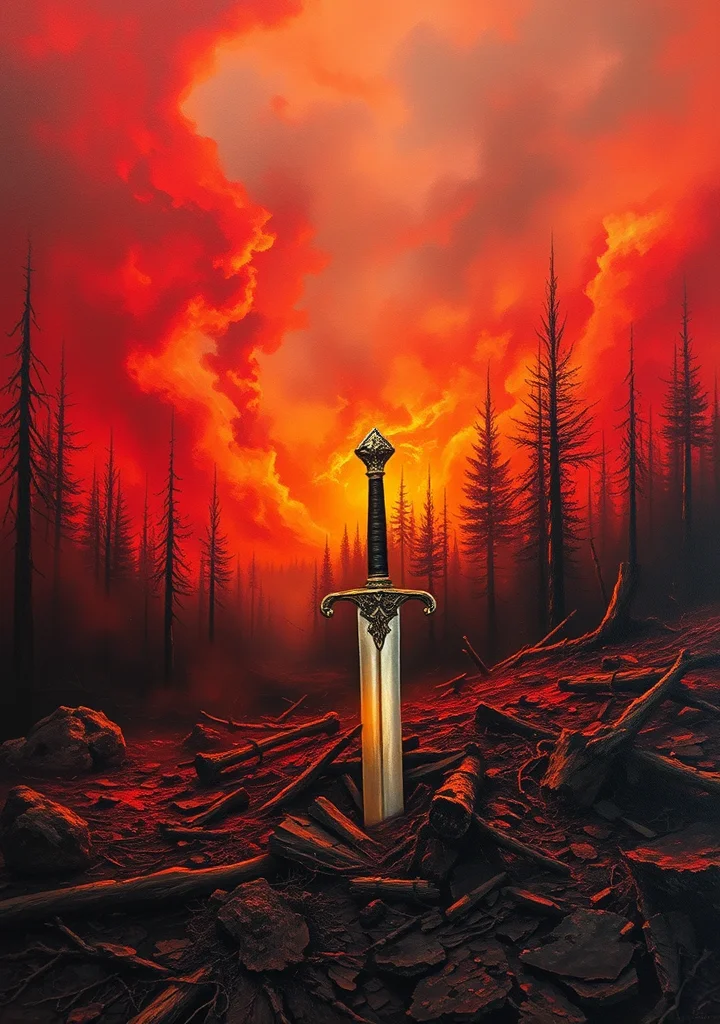
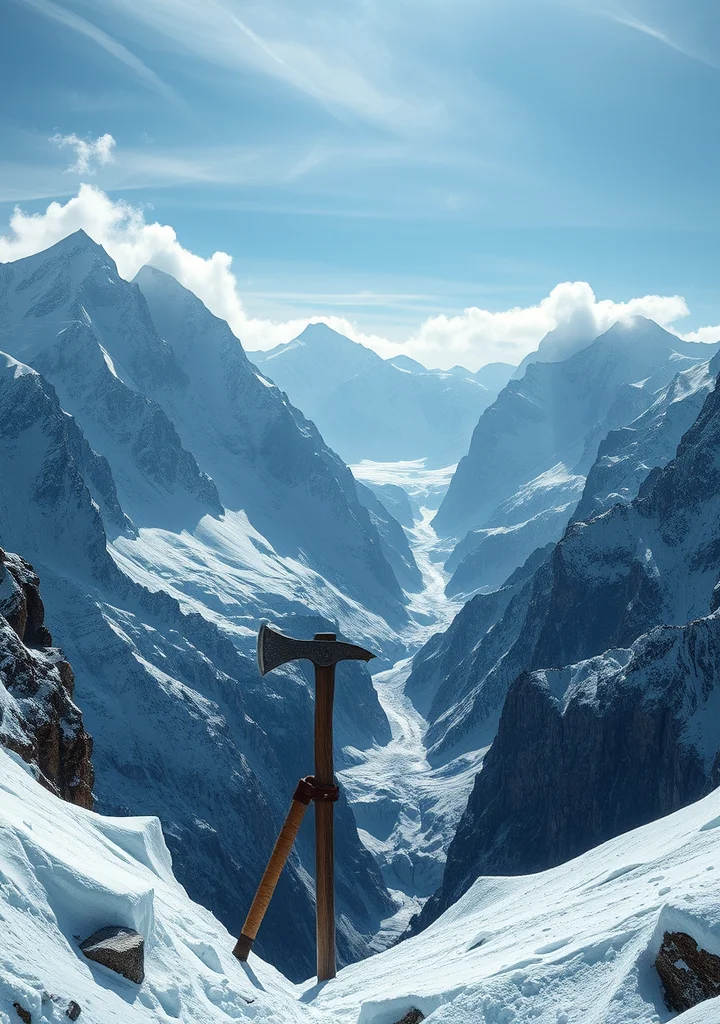
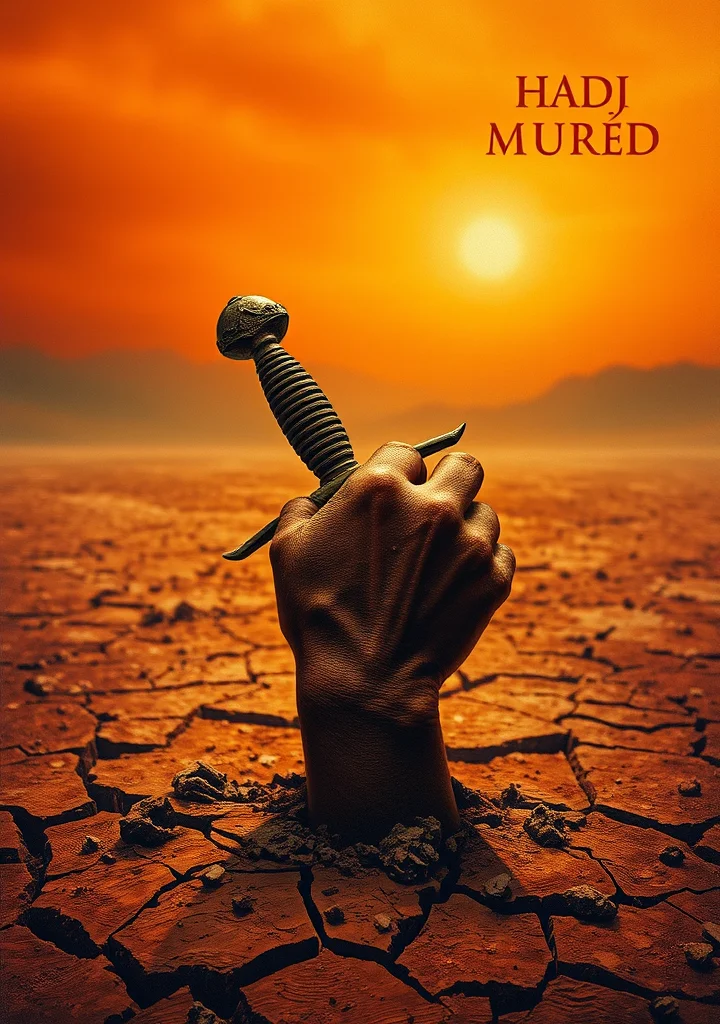
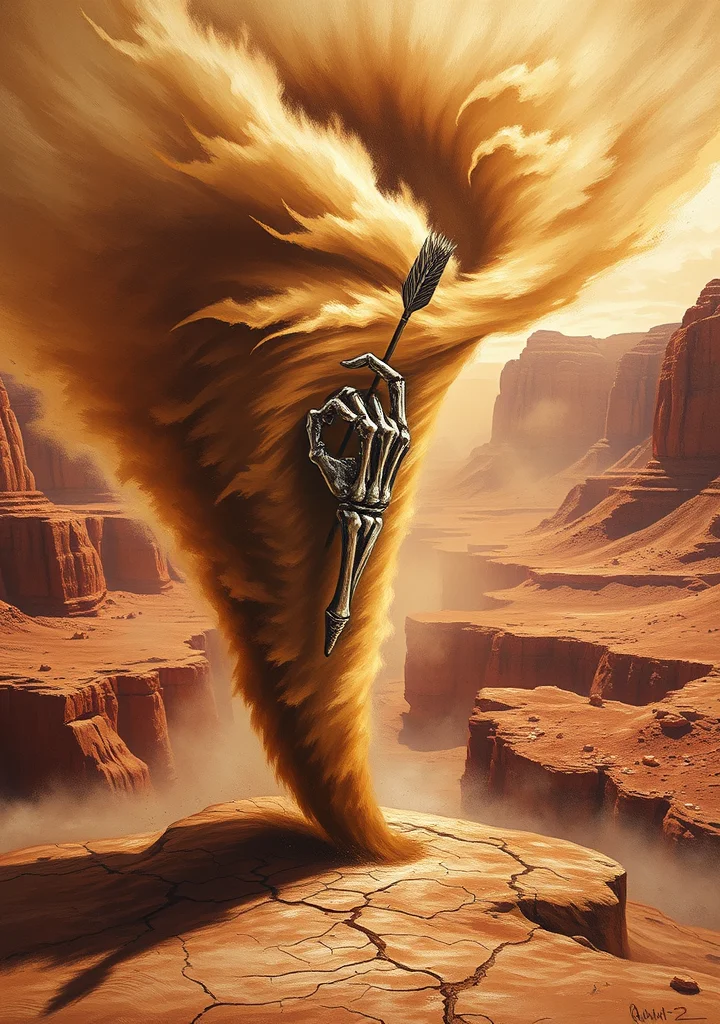
Dust chokes the sun-baked steppes, mirroring the grit lodged in Murád’s soul. This is not a tale of glory, but of a fractured man—a warrior hollowed by allegiance and haunted by a past carved in fire and blood. The Caucasus mountains bleed into the horizon, mirroring the slow, agonizing decay of Murád’s trust. Each sun-scorched village, each whispered prayer, is steeped in the suffocating weight of betrayal. Tolstoy doesn’t offer grand battles, but the suffocating intimacy of a world where honor is a phantom limb and loyalty a poisoned draught. The air hangs thick with the scent of gunpowder, fear, and the dust of forgotten graves. A relentless, oppressive heat rises from the earth, mirroring the feverish desperation that consumes Murád as he’s hunted not for what he’s done, but for who he *was*. The narrative unfolds like a slow-motion collapse, a descent into the desolate heart of a man caught between empires, faiths, and ultimately, himself. It's a landscape of shadows, where the line between predator and prey dissolves into a swirling haze of desperation and the echoing silence of the mountains bears witness to a dying world. The narrative is a suffocating, claustrophobic crawl through the ruins of a life, rendered in shades of ochre and crimson, soaked in the acrid taste of regret.

Copyright: Public Domain
This license allows anyone to use your story for any purpose, including printing, selling, or adapting it into a film freely.
Recommended for you
11 Part
Dust motes dance in the perpetual twilight of Umbria, clinging to the crumbling facades of villas haunted by regret. A stifling heat hangs over the sun-baked earth, mirroring the simmering tensions within the Anglo-Italian community of Monteriano. The air itself seems thick with unspoken desires and the scent of decaying jasmine. Here, amidst olive groves and ancient stone, a quiet, provincial life is shattered by the intrusion of a passionate, forbidden love—a love born from an impulsive act, and nurtured in the suffocating confines of a marriage built on propriety. The story unfolds not as a burst of scandal, but as a slow, creeping dread. The Italian landscape isn't merely a backdrop, but a suffocating presence, mirroring the characters’ internal struggles. A sense of claustrophobia permeates every encounter, every glance exchanged. The narrative is woven with the weight of inherited social codes, the stifling formality of Victorian manners colliding with the raw, untamed passions of the Italian countryside. It is a story of lives irrevocably altered by a single, reckless decision—a decision that unveils the hidden vulnerabilities beneath the veneer of respectability, and reveals how even the most carefully constructed worlds can crumble under the weight of unspoken truths and the shadows of a shared, desperate secret. The narrative lingers in the shadows, leaving you with a lingering sense of unease, as if the dust of Monteriano has settled on your own skin.
12 Part
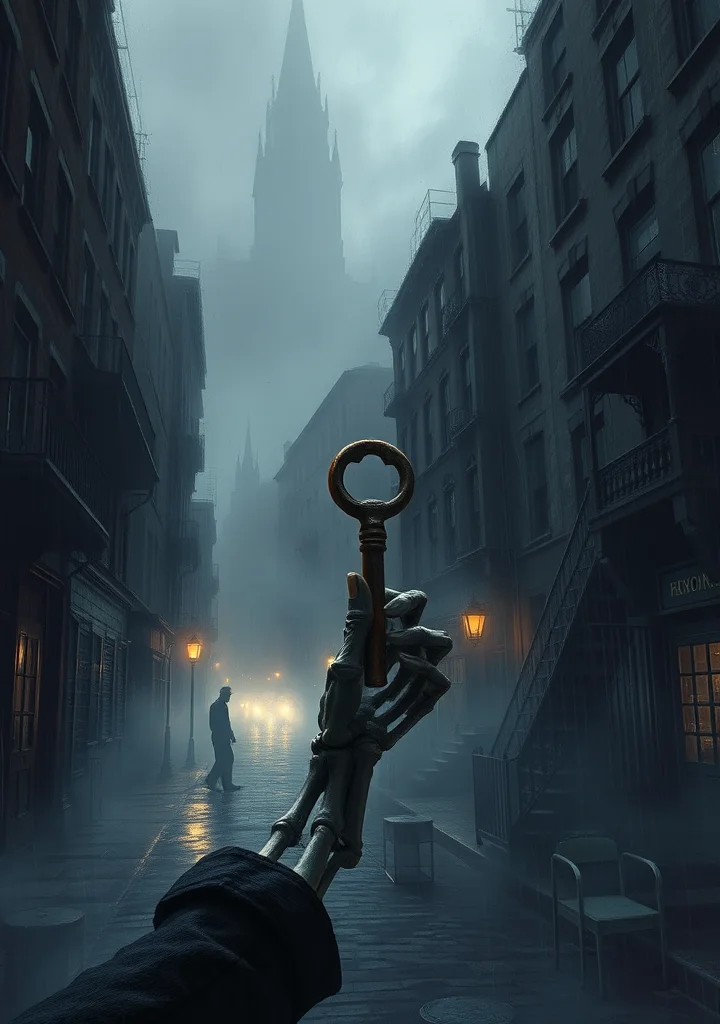
A fever dream stitched from memory and the shadowed corners of the mind. This is not a tale of simple addiction, but a descent into a labyrinth of spectral gardens and opium-hued reveries. The prose itself breathes with a melancholic cadence, mirroring the author's fractured recollections. London fog clings to every sentence, obscuring the boundaries between waking and dreaming. Here, the weight of sorrow is not merely felt, but *seen* – vast, ruined castles built from regret loom in the distance, their spires piercing a sky perpetually stained with twilight. The narrative unravels like a silk shroud, revealing a childhood both idyllic and haunted. Each chapter is a fragment of a shattered looking-glass, reflecting distorted images of lost innocence and the corrosive power of secret desires. There's a pervasive sense of isolation, a man adrift in a sea of his own making, his memories both solace and torment. Expect not a linear progression, but a spiraling vortex of sensation, where the mundane becomes monstrous and the ethereal feels terrifyingly real. The author’s confessions are less about the drug itself, and more about the landscapes it unlocks – landscapes populated by phantom mothers, shimmering Arabian visions, and the insidious whisper of a soul consumed by longing. This is a book to be read by candlelight, with the windows shuttered, and a heart braced for the cold touch of remembrance. It is a descent into the architecture of grief, rendered in the shimmering, hallucinatory light of opium’s embrace.