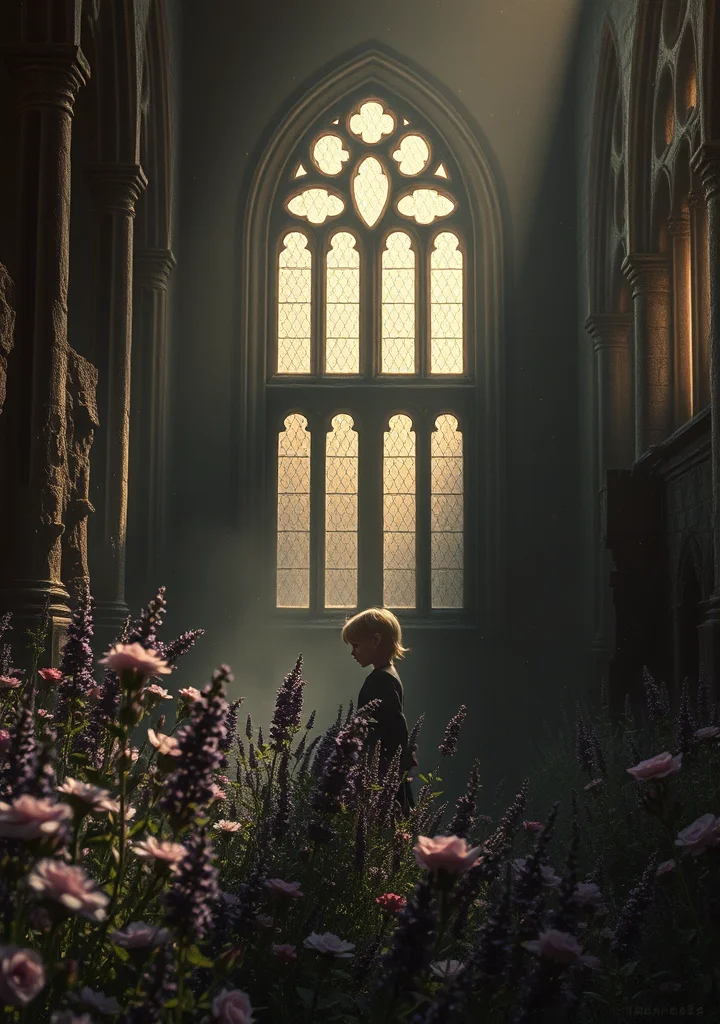

The Young Visiters
  • 110
  • 0
  • 15
  • Reads 110
  • 0
  • Part 15
Completed, First published Mar 02, 2026

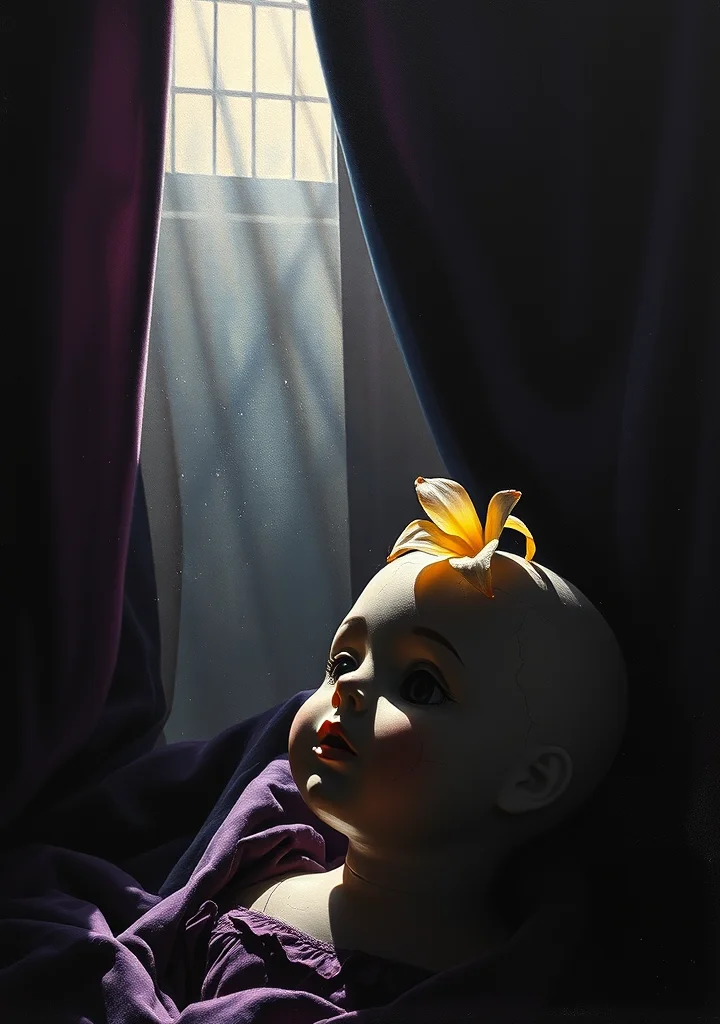
Dust motes dance in the perpetual twilight of a crumbling manor, glimpsed through the wide, innocent eyes of children adrift in a world too large and too silent. The air hangs thick with the scent of lavender and decay, mirroring the fragile, forgotten rituals enacted by those who linger too long in shadowed halls. It is a summer stretched thin as muslin, where whispered secrets bloom amongst the rose gardens, and the weight of inherited grief settles on the shoulders of young, unwitting observers. A world built of sun-bleached lawns and stifled sighs, where the boundaries between reality and childish fancy blur, leaving only a lingering chill and the echoing footfall of lives lived in the periphery. The narrative unfolds like a pressed flower, delicate and brittle, threatening to crumble to ash with each turning page. Every stolen moment, every overheard conversation, is draped in a gauze of melancholy, a premonition of loss woven into the very fabric of the afternoon. It is not a story of grand horrors, but of the subtle, insidious erosion of innocence, witnessed through the lens of youth’s oblivious gaze – a haunting echo of what was, and what will never be.
Copyright: Public Domain
This license allows anyone to use your story for any purpose, including printing, selling, or adapting it into a film freely.
Recommended for you
19 Part
Dust motes dance in the perpetual twilight of Caradoc Hall, a crumbling Welsh manor steeped in forgotten lore. The scent of damp stone and decaying velvet clings to Elara, a woman adrift between worlds, drawn to the estate by a legacy of whispers and shadowed inheritance. Not a ghost hunt, but something colder – a pull from the very stones, a resonance with a history that refuses to stay buried. The Hall breathes with the echoes of its former mistress, a woman named Wynne, who vanished into the hills with a silver key and a secret pact with the land. Each chamber Elara explores is a tightening spiral of unease, mirroring the labyrinthine corridors of her own fractured memory. The estate’s ancient guardian, a taciturn man named Rhys, offers only glimpses of the past, his eyes holding the same grey melancholy as the rain-lashed landscape. But the key isn't merely a relic; it’s a conduit. It unlocks not doors, but seams in time, drawing Elara into a spectral existence where Wynne’s disappearance isn't a tragedy, but a deliberate surrender to something ancient and hungry beneath the hills. The air grows thick with the scent of peat and something else – something floral and cloying, like the perfume of a corpse. Shadows lengthen, not with the setting sun, but with the rising dread of a truth woven into the very foundations of Caradoc Hall. It’s a place where the veil between worlds thins to gossamer, where the living are haunted by the ghosts of those who chose to become something *other* than human, and where Elara must unravel the key’s mystery before she too is claimed by the timeless hunger of the Welsh wilderness.
77 Part
A creeping fog clings to the shores of Penguin Island, a land born not of earth but of the icy breath of the North Atlantic. The narrative drifts like wreckage on a grey sea, charting the history of a colony of penguins who, through a perverse twist of evolution and the dubious guidance of a shipwrecked priest, claim lineage from the ancient Celts. It’s a history soaked in brine and shadowed by the perpetual twilight of the Southern Ocean. The island itself is a crumbling monastery of stone and feather, where the penguin-priests chant in echoing caves, their rituals laced with a melancholic, avian piety. The air hangs heavy with the scent of fish and decay, a constant reminder of the island’s isolation. Each chapter unravels like a barnacle encrusting a forgotten hull, revealing a world where theological debate is punctuated by the screech of gulls and the mournful cry of the wind. A slow, deliberate rot pervades the narrative; the crumbling faith, the decaying structures, the very bodies of the penguins themselves seem destined to dissolve back into the churning, unforgiving sea. There’s a pervasive sense of the absurd, a mocking grandeur that clings to the story like seaweed to a drowned man’s limbs. It’s a gothic fable woven from salt spray, philosophical despair, and the unsettling, uncanny gaze of creatures forever poised between heaven and the icy abyss. The island doesn’t yield to understanding, it *consumes* it, leaving only a chill and the whisper of wings in the perpetual fog.
2421 Part
A creeping dread clings to the shadowed halls of Burgunden, where the echoes of ancient pacts and broken vows stain the stone with crimson. This is not a tale of heroes, but of a rot blooming within the heart of a kingdom—a festering wound carved by ambition and fueled by the lust for gold. The clang of steel is ever-present, not in glorious battle, but in the hushed corners of betrayal. Each gilded chain, each forged ring, whispers of a doom woven into the very fabric of the Nibelungs’ legacy. The river Rhine holds more than just the shimmering hoard; it carries the spectral lament of a bride stolen, a vengeance born of ice and night. Crimson stains the snows, not from winter’s chill, but from the spilling of blood under a moon that witnesses every fractured oath. Walls weep with the memory of feasts where deceit was served alongside wine, and the laughter of kings rings hollow as they dance toward their inevitable, brutal reckoning. The air is thick with the scent of pine resin and the metallic tang of iron, a perfume of decay that clings to the damp stone of castles and the frosted breath of dying men. Shadows stretch long and hungry, mirroring the growing darkness within the souls of those who chase power beyond its rightful measure. A sickness of the soul permeates the land, and the weight of prophecy feels like a shroud tightening around the throat, promising only the hollow echo of a fallen empire. The world is poised on a knife’s edge, where honor is a forgotten word and the only certainty is the coming storm of ruin.