
-
Read 221
-
0
-
Part 19
Completed, First published Mar 02, 2026
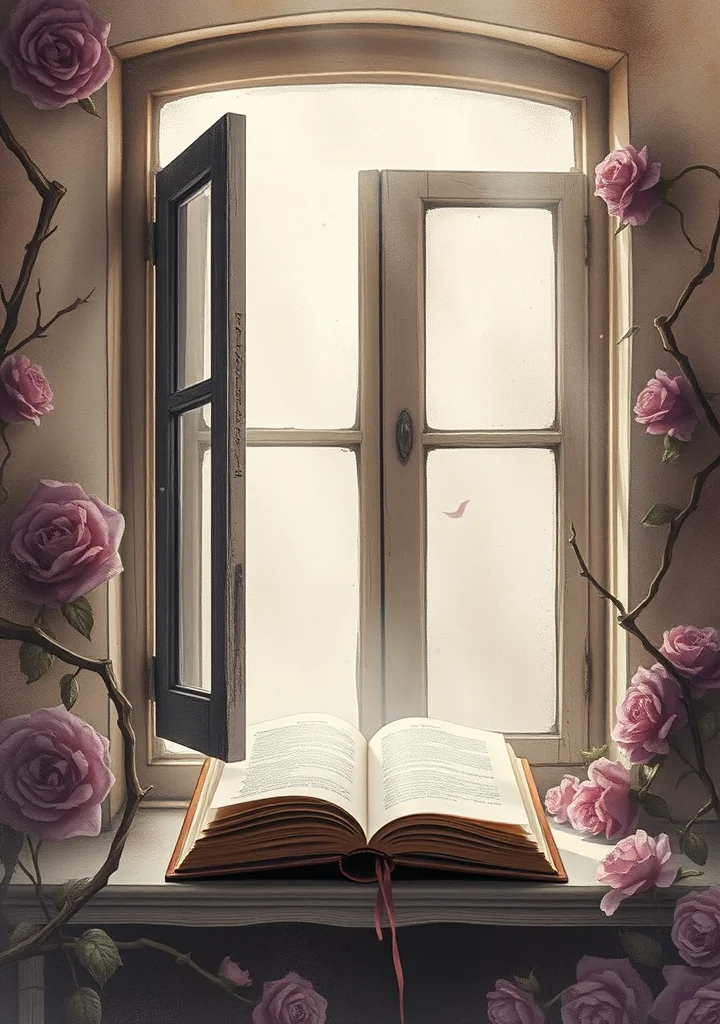
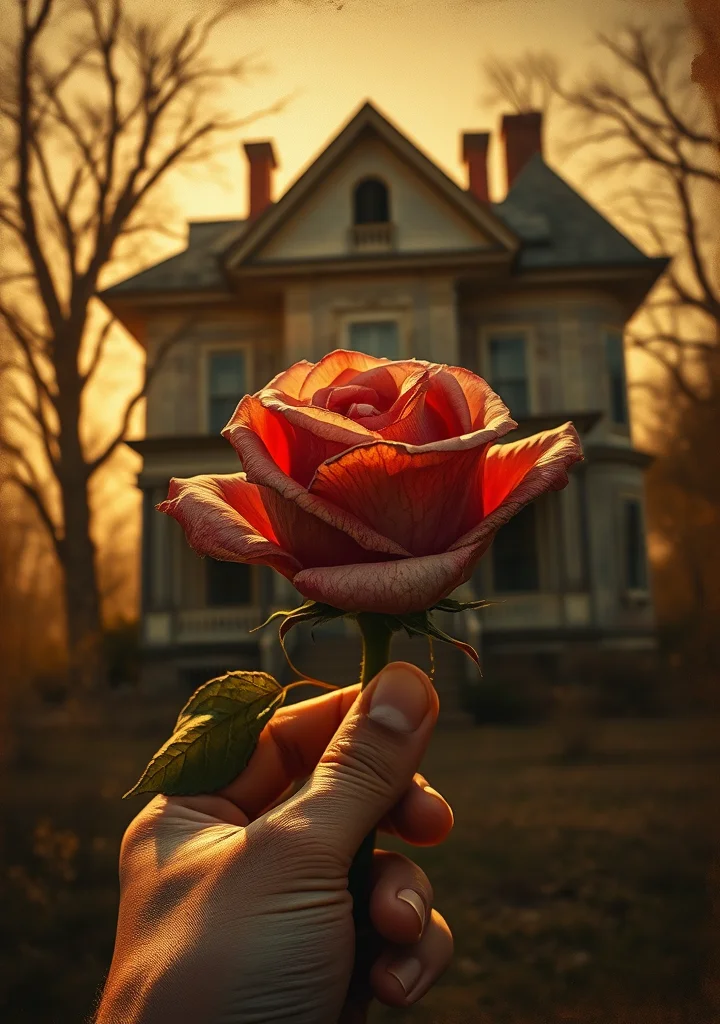
A suffocating heat clings to the decaying grandeur of a New England village, mirroring the stifled desires within a young woman’s heart. The air hangs thick with unspoken grief, the scent of fading roses mingling with the dust of forgotten inheritances. A summer unfolds not as a season of light, but a slow unraveling—a descent into the shadowed corners of a stifled existence where polite society masks a wilderness of yearning. Every sun-drenched lawn hides a secret sorrow, every perfectly arranged bouquet a testament to lives withered by restraint. The narrative breathes with the oppressive weight of expectation, a stifling stillness broken only by the tremor of illicit glances and the rustle of secrets whispered amongst the long shadows cast by ancient elms. It is a summer haunted by the ghosts of what might have been, where the languid pace of days becomes a prison of unfulfilled longing, and the golden light reveals only the hollowed-out shells of those trapped within its gilded cage. The very landscape seems to mourn alongside the protagonist, a creeping melancholy that clings to the stone walls and overgrown gardens, promising a harvest not of fruit, but of regret.
Copyright: Public Domain
This license allows anyone to use your story for any purpose, including printing, selling, or adapting it into a film freely.
This license allows anyone to use your story for any purpose, including printing, selling, or adapting it into a film freely.
Recommended for you