
-
Read 466
-
0
-
Part 34
Completed, First published Mar 02, 2026
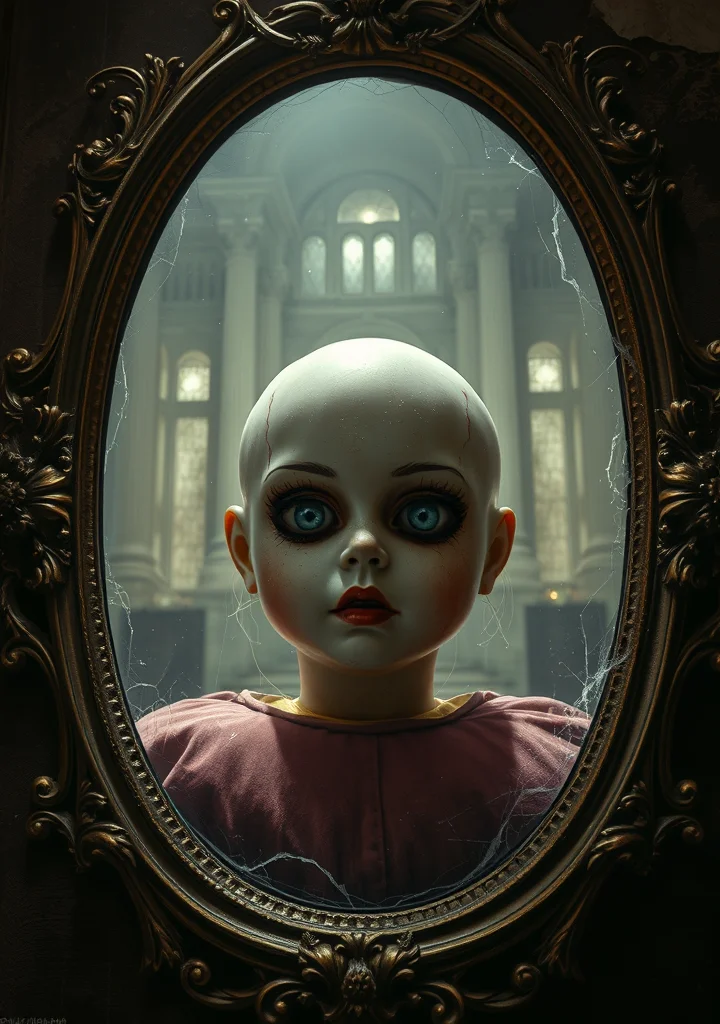
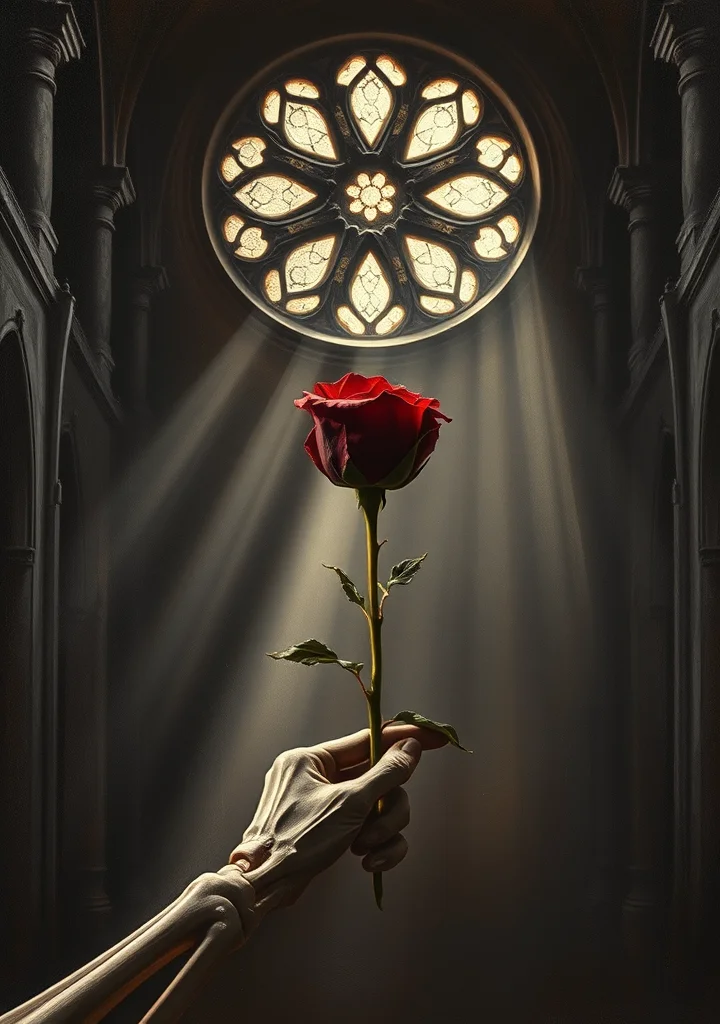
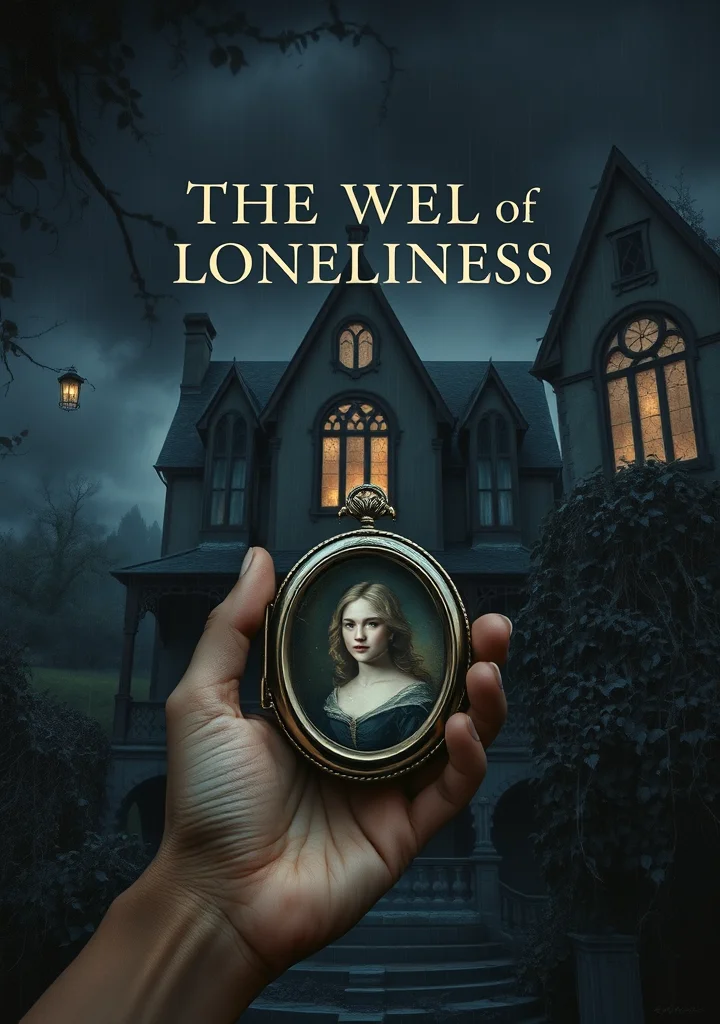
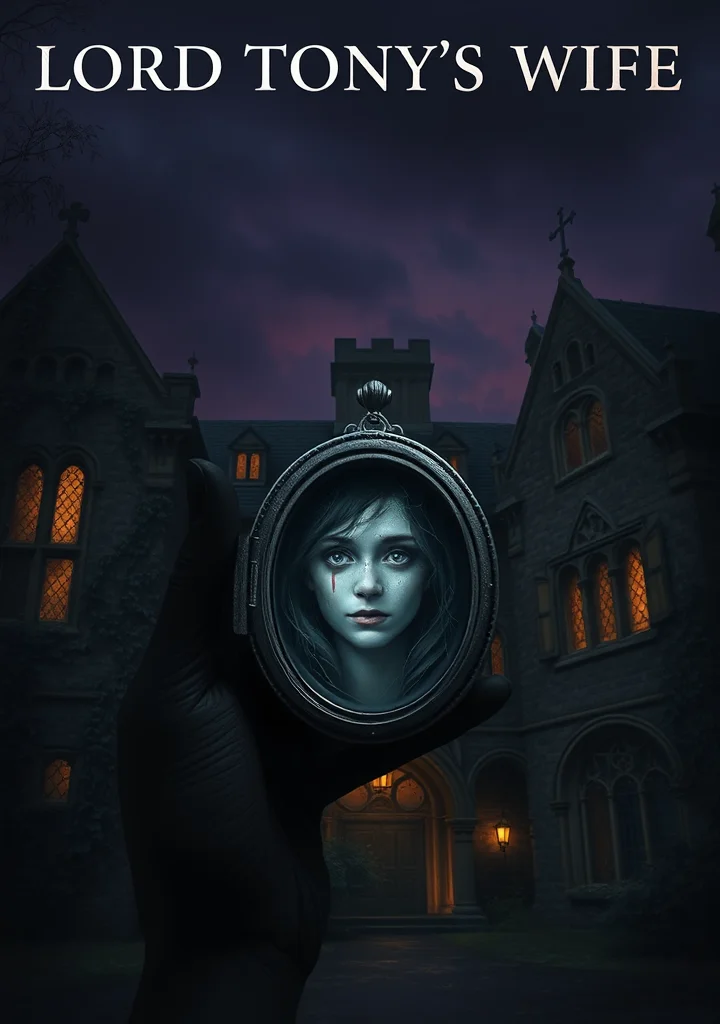
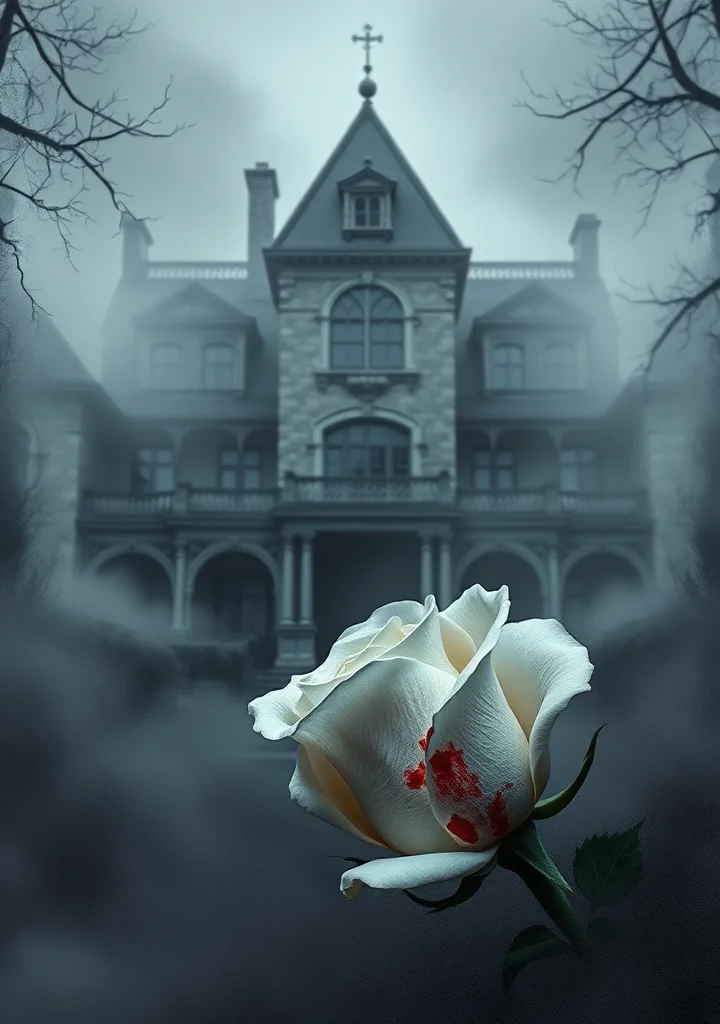
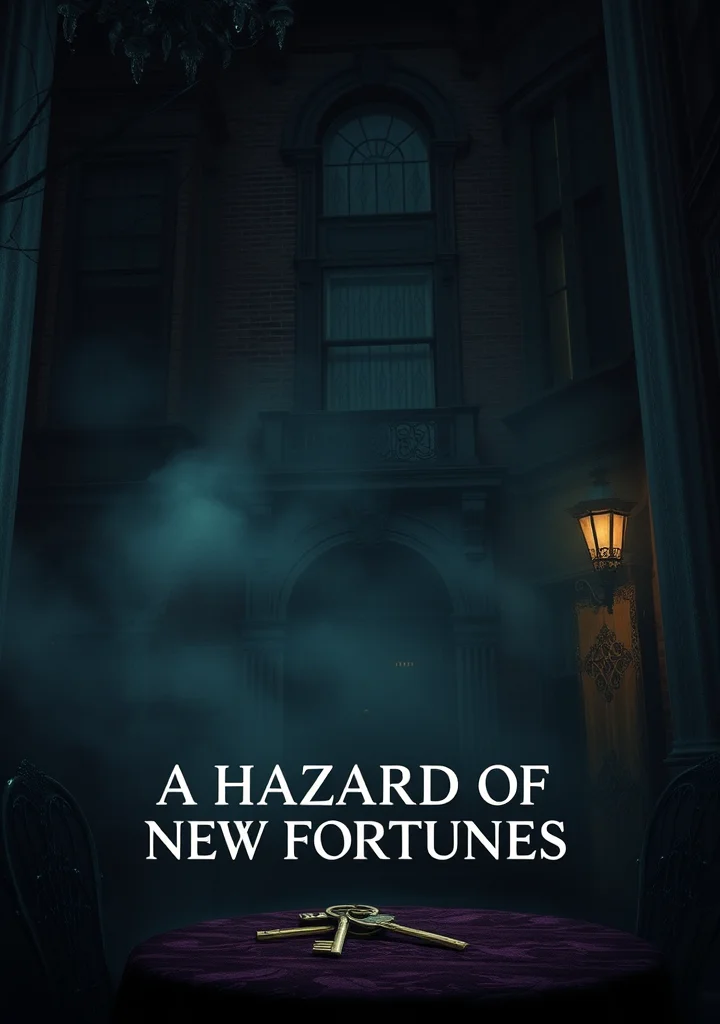
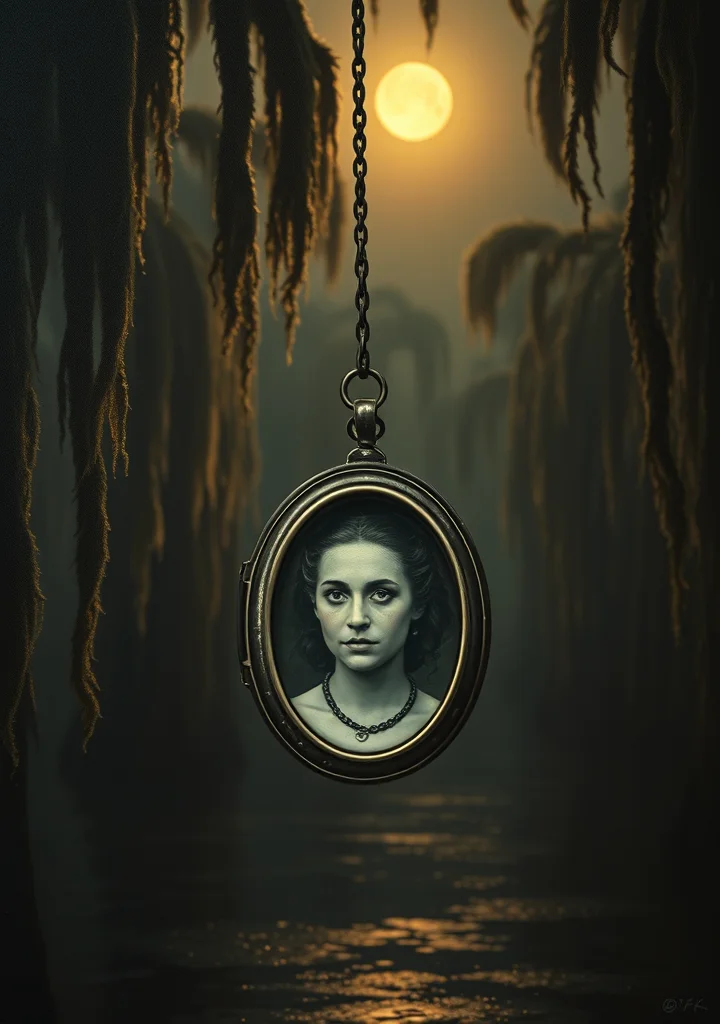
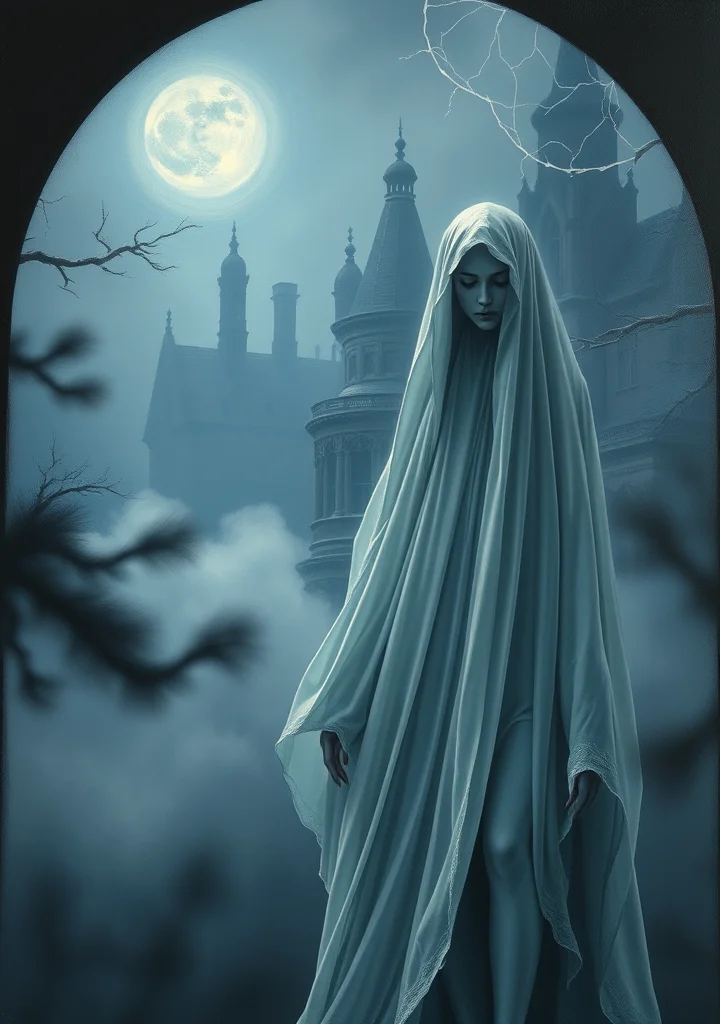
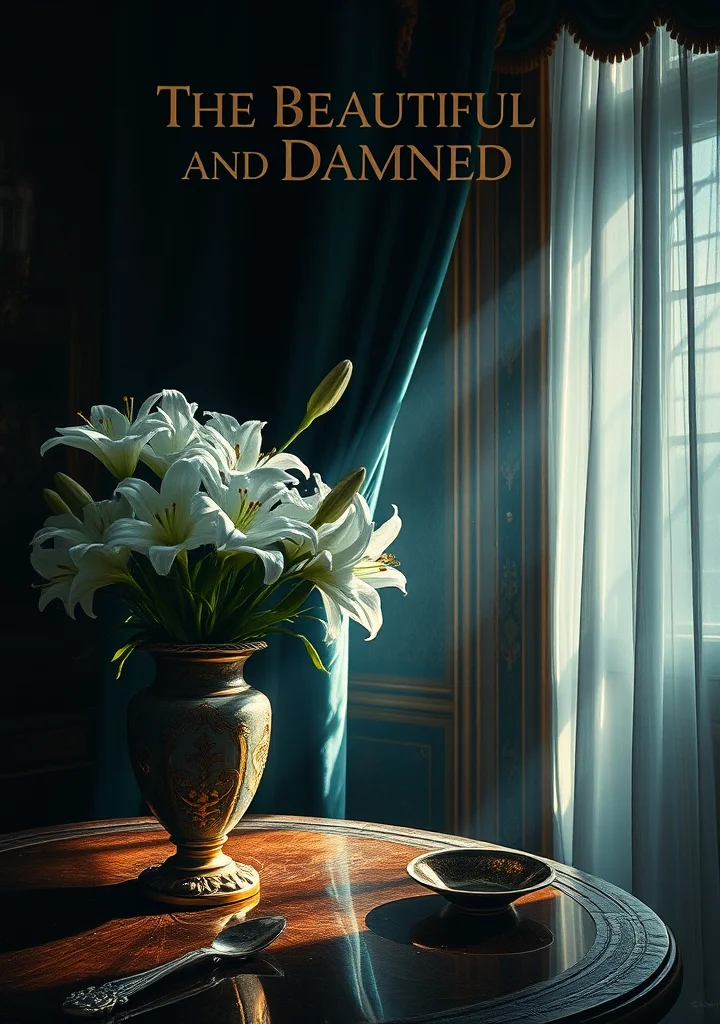
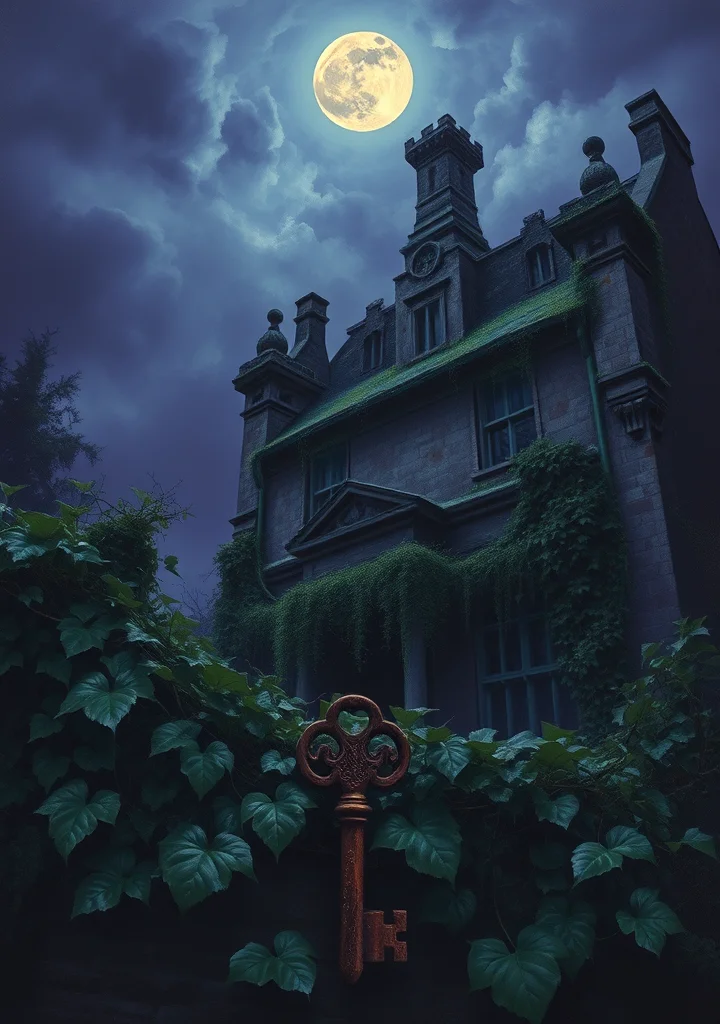
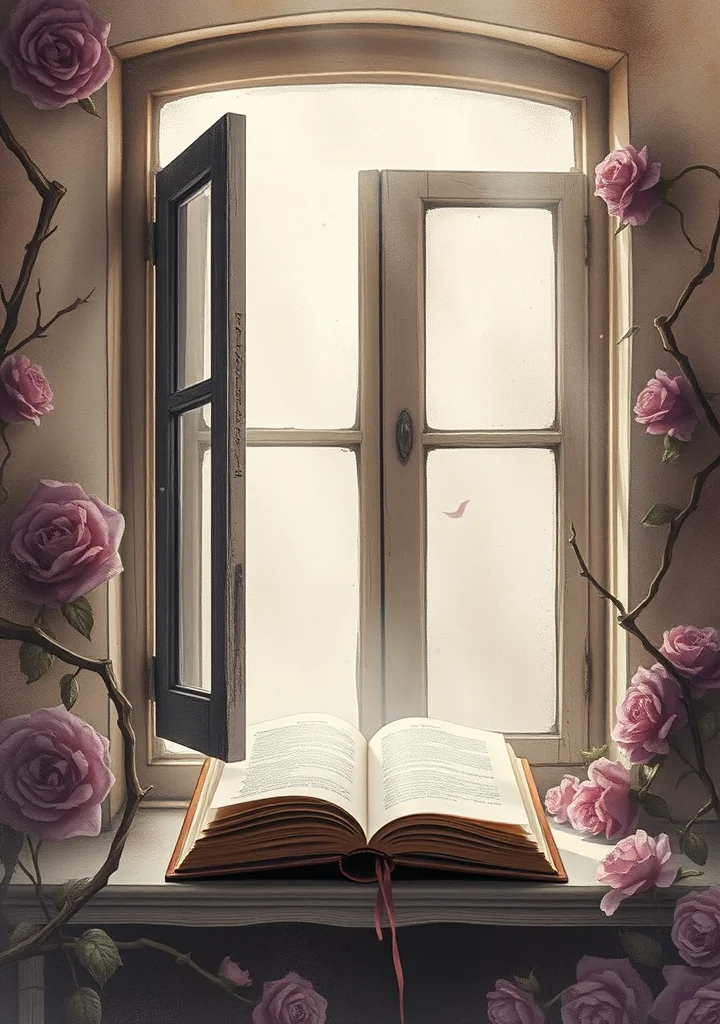
Dust motes dance in the perpetual twilight of Avonlea, clinging to the scent of brine and decaying roses. Though ostensibly a tale of sun-drenched fields and gentle friendships, a subtle melancholia pervades every chapter, a phantom ache mirroring Anne’s own remembered orphanhood. The narrative unfolds not as a celebration of idyllic life, but as a slow unraveling of forgotten griefs within the stone walls of the schoolhouse, echoing with the whispers of past teachers and the shadows of unfulfilled desires. The very landscape seems to mourn – the red roads winding through forests thick with secrets, the sea a grey, restless beast breathing against the shore. Even the laughter of children feels brittle, carried on winds that carry the ghosts of lost loves and broken promises. A creeping sense of isolation clings to each character, each connection a fragile bloom in a garden haunted by the specter of loneliness. The story isn’t merely *told*, it is *felt* – a damp chill rising from the peat bogs, the weight of unspoken histories settling on the reader’s shoulders, a haunting reminder that even in the brightest of days, darkness lingers just beyond the garden gate.
Copyright: Public Domain
This license allows anyone to use your story for any purpose, including printing, selling, or adapting it into a film freely.
This license allows anyone to use your story for any purpose, including printing, selling, or adapting it into a film freely.
Chapter List
-
« Anne of Avonlea »📖 Continue Reading
-
« Chapter_3 »
-
« Chapter_4 »
-
« Anne of Avonlea »
-
« I »
-
« II »
-
« III »
-
« IV »
-
« V »
-
« VI »
-
« VII »
-
« VIII »
-
« IX »
-
« X »
-
« XI »
-
« XII »
-
« XIII »
-
« XIV »
-
« XV »
-
« XVI »
-
« XVII »
-
« XVIII »
-
« XIX »
-
« XX »
-
« XXI »
-
« XXII »
-
« XXIII »
-
« XXIV »
-
« XXV »
-
« XXVI »
-
« XXVII »
-
« XXVIII »
-
« XXIX »
-
« XXX »
34
-
« Anne of Avonlea »
-
« Chapter_3 »
-
« Chapter_4 »
-
« Anne of Avonlea »
-
« I »
-
« II »
-
« III »
-
« IV »
-
« V »
-
« VI »
-
« VII »
-
« VIII »
-
« IX »
-
« X »
-
« XI »
-
« XII »
-
« XIII »
-
« XIV »
-
« XV »
-
« XVI »
-
« XVII »
-
« XVIII »
-
« XIX »
-
« XX »
-
« XXI »
-
« XXII »
-
« XXIII »
-
« XXIV »
-
« XXV »
-
« XXVI »
-
« XXVII »
-
« XXVIII »
-
« XXIX »
-
« XXX »
More like this