
-
Read 177
-
0
-
Part 16
Completed, First published Mar 02, 2026
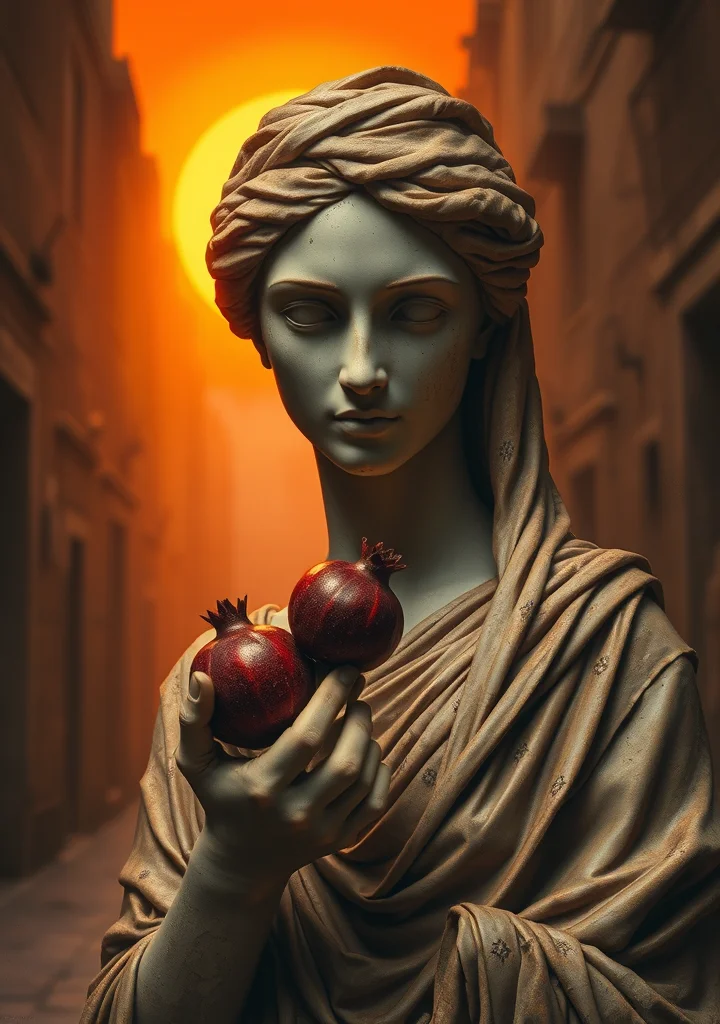
Dust hangs heavy in the air of Carthage, thick with the scent of brine and decay. Salammbô unfolds not as a story of triumph, but as a slow, exquisite unraveling. The heat bleeds the color from everything – the marble columns, the crimson banners, the faces of men consumed by a thirst for rebellion. This is a world steeped in ritual, where prophecy whispers through the market stalls and the shadows cling to the labyrinthine alleys. The narrative isn't driven by plot, but by a creeping dread, a sense of inevitable doom clinging to Matho’s mercenary heart. The city breathes with a suffocating grandeur, its beauty a gilded cage for a violence simmering just beneath the surface. Each victory feels like another nail hammered into a coffin, each feast stained with the premonition of ash. Salammbô herself is not a queen, but an omen—a pale flame flickering against a rising tide of barbarism. The desert presses in, a silent, predatory beast that mirrors the corruption gnawing at Carthage’s core. The prose itself is a slow burn, mimicking the desert sun, until the narrative collapses into a fever dream of blood and sand, leaving only the echoing cries of a doomed empire and the haunting specter of a love that promises only oblivion.
Copyright: Public Domain
This license allows anyone to use your story for any purpose, including printing, selling, or adapting it into a film freely.
This license allows anyone to use your story for any purpose, including printing, selling, or adapting it into a film freely.
Recommended for you