
Marshmallows and Custard
  • 36
  • 0
  • 8
  • Read 36
  • 0
  • Part 8
Ongoing, First published May 09, 2026

The narrative traces a story of economic upheaval as a shop owner’s frustrated attempt to confront the CEO who bought them out yields little more than wasted marshmallows. Unexpected opportunities then emerge: a chef, Ray, finds herself unexpectedly hired for a lucrative position cooking for a mysterious client, known only as ‘the Master.’ With encouragement from a friend, Ray navigates this new life, receiving praise for her culinary creations. These chapters hint at complex relationships, playful banter, and a subtle undercurrent of tension as Ray’s professional world expands.
Copyright: All Rights Reserved
No person is allowed to use, redistribute, or modify your work in any form without your explicit permission.
More like this
84 Part
Dust motes dance in the oppressive heat of a Hong Kong summer, mirroring the suffocating stillness of Katherine’s marriage. A gilded cage, woven with silk and silence, holds her fast to Walter, a man whose cold precision dissects affection as readily as a laboratory specimen. But the cholera epidemic is a fever dream of rot and revelation, a landscape of shadowed alleys and whispered fears where Katherine, driven to desperate charity, dons a veil—not of mourning, but of disguise. The air hangs thick with the scent of jasmine and decay as she infiltrates a remote, lawless village, trading her identity for a cure. The deeper she ventures into the heart of the plague, the more Walter’s rigid composure cracks, revealing a man haunted by his own sterile ambition. Each act of kindness, each shared moment under the suffocating weight of the epidemic, peels back layers of their carefully constructed lives. The world bleeds into a bruised palette of ochre and grey, the sun a malevolent eye watching as Katherine navigates a moral labyrinth. The veil becomes not just a shield against contagion, but a mask for a woman shedding her own brittle illusions. It’s a descent into a shadowed intimacy, where love and loathing twist together like the roots of a strangling vine, and the only certainty is the creeping, insidious dread of what—or whom—they’ve left behind. The weight of the silk is a constant reminder: salvation, or a slow, beautiful unraveling.
63 Part
A suffocating fog clings to the cobblestones of Paris, mirroring the miasma of dread that seeps from the shadowed alleys and the decaying grandeur of the city’s heart. Gaboriau doesn’t offer a mere crime to unravel, but a descent into a labyrinthine underworld where the desperate are bound by debts of flesh and spirit to a cabal of silent, unseen masters. The air is thick with the scent of rot—not just of corpses discovered in the Seine, but of lives systematically broken down, of wills surrendered to a creeping, insidious control. Each chapter feels like a stolen glance through a keyhole, revealing glimpses of shadowed figures flitting between pawn shops and opium dens. The narrative winds through a decaying aristocracy, haunted by past sins and complicit in present ones, and a brutalized underworld of forgers, thieves, and the discarded. It’s a Paris where every whispered confidence is a transaction, every act of kindness a snare, and the boundaries between victim and predator blur into a sickening grey. The novel doesn't build to a climactic reveal, but rather unravels like a unraveling shroud, revealing not *who* commits the crimes, but *how* the very fabric of Parisian society is woven with corruption. A sense of helplessness pervades, a suffocating weight that descends with the Parisian rain. The reader is not merely observing a mystery; they’re being submerged in the moral decay of a city on the brink of collapse, where the only true currency is silence, and the price of freedom is paid in stolen breaths.
48 Part
A creeping dread clings to Blackwood Manor, a crumbling edifice swallowed by perpetual twilight. Within its shadowed halls, a spectral visitor arrives with the final chime of midnight, unseen, unheard by all save the brittle, aging matriarch, Eleanor. She alone claims to converse with this phantom—a gentleman draped in mourning silks, his face obscured by shadow, his voice a whisper of frost against ancient stone. Is he a lover returned from beyond the grave, a guardian spirit, or something far more sinister drawn to Blackwood’s decaying heart? Each night, Eleanor’s sanity frays further with his chilling visits, fueled by absinthe and the scent of decay. The manor’s portraits seem to watch with hollow eyes, the very timbers groan in protest as the guest’s influence bleeds into the living world. Dust motes dance in the moonlight, revealing fleeting glimpses of his form—a hand reaching for a forgotten locket, a glimpse of a smile that promises oblivion. A suffocating stillness descends with his presence, silencing the house's long-held secrets. The air thickens with the scent of lilies and regret, a suffocating perfume that clings to every surface. He demands not gold or jewels, but memories—fragments of Blackwood’s past, offered up like bloodied roses to appease a hunger that threatens to consume Eleanor, and ultimately, the manor itself. His midnight calls are not invitations to comfort, but a slow, deliberate unraveling of a family's history, woven into a tapestry of grief and shadowed obsession.
53 Part
A creeping dread clings to the marshes of northern England, a suffocating fog mirroring the insidious presence that stalks the lives of Arthur Grimstone and his neighbors. It begins with whispers—a monstrous shape glimpsed in the peat bogs, livestock mutilated with unnatural precision, a chillingly human intelligence behind acts of escalating violence. The village of Stilton, already steeped in the melancholy of isolation, is slowly consumed by a terror born of the mire, a thing both animalistic and eerily, deliberately *aware*. Grimstone, a man haunted by his own rigid morality and the suffocating weight of Victorian expectation, finds himself drawn into a desperate pursuit of this creature—a pursuit that unravels not just the boundaries of his sanity, but the very foundations of his world. The Beetle is not merely a beast; it is a distortion, a parasite of the soul, weaving itself into the fabric of their lives, mirroring their darkest desires and festering resentments. Each encounter leaves a residue of cold, damp fear, the scent of decay clinging to the air long after the creature vanishes. The narrative descends into a labyrinth of shadowed alleys, decaying workhouses, and the claustrophobic interiors of Victorian homes—a suffocating world where the line between hunter and hunted blurs, and the monstrous Beetle becomes a terrifying reflection of the darkness within us all. The creeping dread isn't merely *of* the creature, but of the creeping rot *within* the very heart of the village, and within Grimstone himself.
60 Part
Dust motes dance in the fading light of provincial chateaux, mirroring the slow decay of ambition and the brittle fragility of hope. These letters, unearthed from forgotten bureaux and damp attics, whisper of two women bound by circumstance and the suffocating weight of societal expectation. One, a bride purchased for lineage, haunted by the spectral echoes of a loveless marriage. The other, a bride of convenience, her youth traded for the preservation of a crumbling estate. The narrative unfolds not in grand pronouncements, but in the tremor of a penned word, the bleed of ink mirroring the slow erosion of their spirits. Each missive is a fragment of a fractured life, stained with the bitter residue of betrayal, the chill of isolation, and the gnawing desperation for a love that exists only in the shadowed corners of their dreams. A pervasive melancholy clings to the pages, thick as the fog that shrouds the ancestral homes. The air hangs heavy with the scent of dying roses and the unspoken resentments that fester beneath layers of silk and lace. The landscapes—bleak vineyards, crumbling manors, and the oppressive silence of shadowed forests—become extensions of the women's internal landscapes: barren, desolate, and haunted by the ghosts of promises broken. The letters themselves are not merely communication, but desperate pleas cast into a void, each echoing with the chilling realization that they are trapped within a labyrinth of obligation and despair, their fates inextricably intertwined with the decaying grandeur of a bygone era.
60 Part
A creeping dread clings to the salt-laced air of the Cornish coast, where the manor of Blackwood stands sentinel against a bruised and perpetual twilight. Old Man Hemlock, keeper of the lighthouse and a soul weathered by decades of isolation, hears it first – a rasping, not of wind or wave, but something *within* the stone of the tower itself. It begins subtly, a disturbance in the rhythm of the beam, a tremor in the ancient masonry, but soon it worms its way into Hemlock’s mind, mirroring the decay of his own fractured memories. The rasp grows with the rising tide, echoing the secrets buried within Blackwood’s shadowed halls – tales of a drowned lineage, of a sea captain’s obsession with a spectral wreck, and of a creature dredged up from the abyss that now haunts the jagged cliffs. Every foghorn blast feels like a summons, every shadow a grasping hand. Hemlock's descent into madness is mirrored by the lighthouse's slow, agonizing surrender to the sea, as if the tower itself is becoming a grave for something ancient and hungry. The air thickens with the scent of brine and rot, and the rasp becomes a voice - a whisper of bone against stone, promising not rescue, but oblivion. A chilling, claustrophobic narrative unfolds where the boundaries between dream and reality, sanity and delirium, blur with the churning grey of the unforgiving sea. It’s a story of a man consumed by the echo of something monstrous, and a lighthouse that remembers a darkness older than time itself.
45 Part
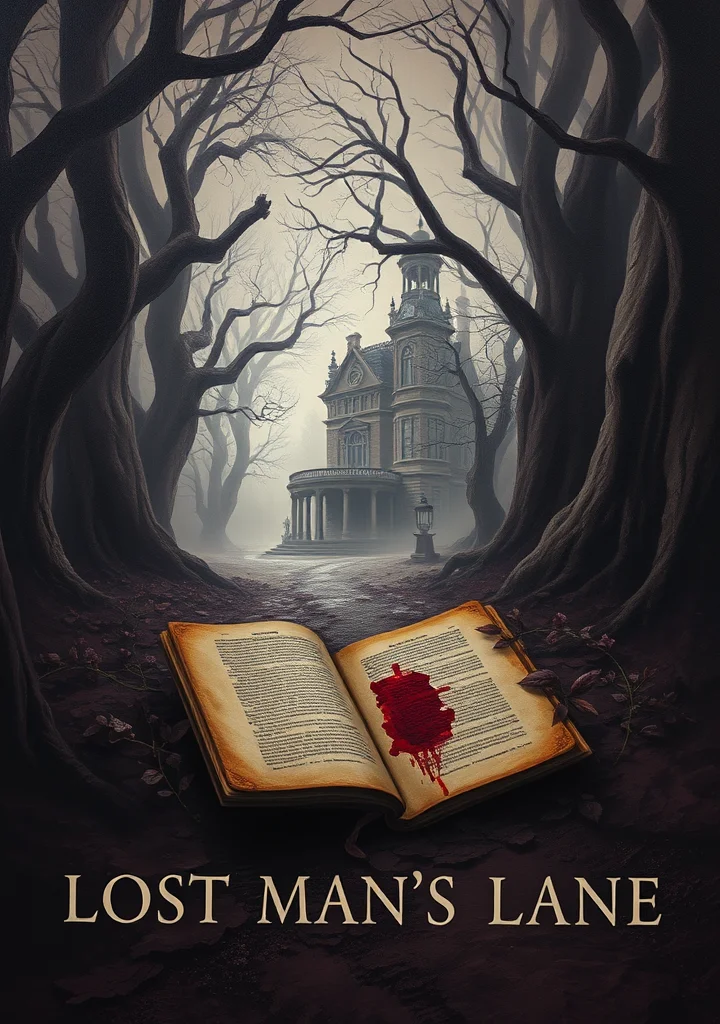
A suffocating mist clings to Lost Man’s Lane, a ribbon of shadowed dirt winding through the decaying grandeur of the Van Alstyne estate. The air hangs thick with the scent of damp earth and forgotten things – a perfume of regret and lingering dread. Here, amidst crumbling stone and overgrown ivy, a disappearance unravels not as a simple vanishing, but as a slow erosion of truth. The narrative unfolds in fragments, whispers overheard through warped floorboards and shadowed windows. Each encounter feels weighted with unspoken accusations, the very stones of the Van Alstyne manor seeming to observe with silent judgment. A claustrophobic sense of confinement pervades; not just of place, but of circumstance. The characters move like moths drawn to a flickering flame, each harboring secrets within their shadowed hearts. The Lane itself seems to breathe, exhaling fragments of the past, twisting the present into a macabre echo of former lives. The narrative is less a straightforward investigation and more a descent into a labyrinth of inherited despair, where the boundaries between victim and perpetrator blur in the gathering gloom. Every rustle of leaves, every creak of a weathered door, promises a revelation steeped in the rot of family legacy and the chilling weight of what remains unsaid. A sense of inescapable finality permeates the atmosphere, suggesting that some losses leave not only a void, but a haunting claim upon those left behind.
40 Part
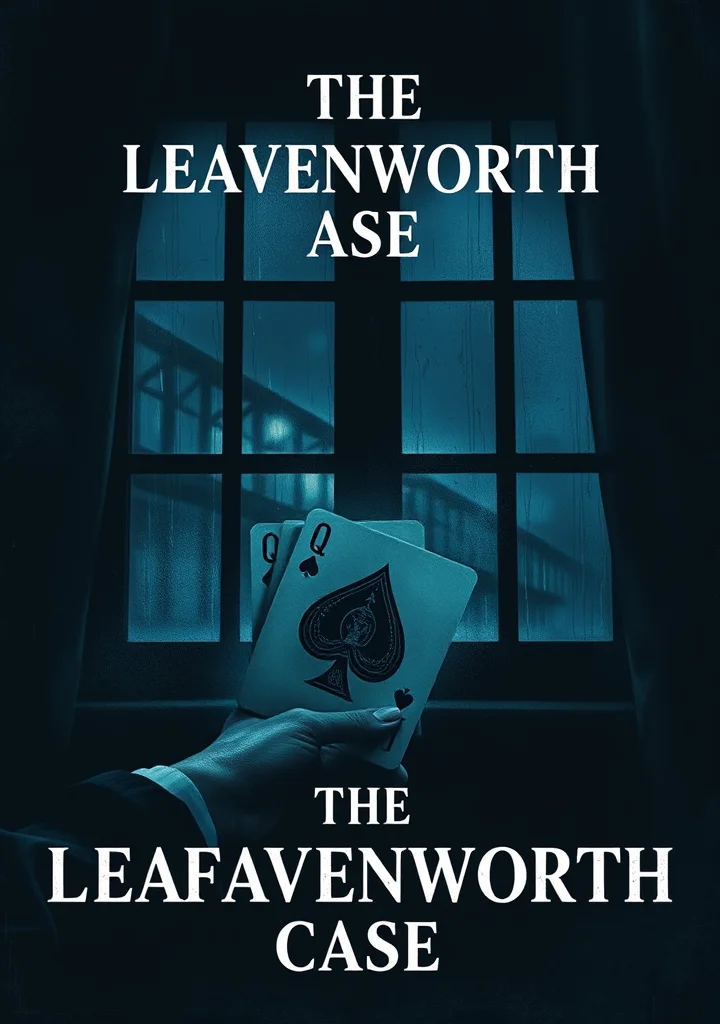
A fog-choked New York winter yields not just snow, but a corpse—a wealthy lawyer found shot dead in his locked study, a single playing card, the queen of spades, resting upon his breast. The chill seeps into the grand brownstone of Leavenworth, a house steeped in secrets and shadowed by a family fractured by greed. A web of suspicion tightens around a cast of unsettlingly polite, yet subtly desperate characters: a grieving, yet strangely composed widow; a nephew burdened by debt and ambition; a stoic, watchful butler whose silence feels like a confession. The investigation unfolds not with brute force, but with a meticulous unraveling of domestic rituals, overheard whispers, and the delicate, deceptive language of inheritance. Every polished surface reflects a hidden motive, every shadowed corner a potential crime. The reader is drawn into a claustrophobic dance of deduction, guided by a shrewd, observant narrator who understands that the most damning evidence is often found not in what is said, but in what is *not*. The air hangs heavy with the scent of lilies and regret, the rhythmic tick of grandfather clocks marking the slow decay of trust. As the snow falls and the city darkens, the true horror isn’t the act of murder itself, but the insidious rot of family obligation and the chilling realization that even the most respectable facades conceal a darkness capable of swallowing a man whole. The Leavenworth Case is a study in how easily a life, and a fortune, can be extinguished within the suffocating elegance of a gilded age.
47 Part
A creeping dread clings to the shadowed halls of Ashworth Manor, where the legacy of Silas Blackwood, a man rumored to have made pacts with something ancient and hungry, festers in the very stones. The air hangs thick with the scent of decay and forgotten sin, mirroring the rot within the Blackwood family itself. A suffocating inheritance binds young Arthur to a lineage steeped in whispered accusations of devilry, and the manor’s sprawling, overgrown grounds seem to pulse with a life both alluring and menacing. Every antique mirror reflects not faces, but fleeting glimpses of something *other*, and the relentless drumming of rain against the leaded windows feels less like weather and more like a desperate plea for release. The novel unravels with a slow, agonizing unraveling of sanity, the narrative choked by claustrophobic interiors and the oppressive weight of a past that refuses to stay buried. A creeping paranoia descends, blurring the line between the living and the dead, as Arthur discovers his inheritance is not merely land and title, but a monstrous legacy etched into his very blood. The narrative unfolds like a fever dream, punctuated by stolen glances at shadowed figures, the scent of damp earth clinging to every breath, and a chilling sense that something malevolent stalks the corridors, always just beyond the periphery of vision. A suffocating dread permeates every page, where the true horror lies not in what is seen, but in what is *felt* - the suffocating presence of a darkness that has waited centuries to claim its due.
45 Part
A creeping dampness clings to the shadowed corners of Valley of Blue Castles, where Valerian Barclay, a woman withered by years of stifling duty and whispered scorn, discovers a freedom born of bitter defiance. The narrative exhales a melancholic haze, thick with the scent of decaying roses and the murmur of regret. Old Man Barclay’s estate, a crumbling edifice of ancestral pride, looms like a skeletal hand against perpetually bruised skies. The castle itself is less stone and mortar than a cage of expectations, its blue hue mirroring Valerian's own bruised spirit. A slow unraveling of societal constraints bleeds into a strange, almost feverish awakening as Valerian dares to embrace the eccentricities of her world. The forest surrounding the castle breathes with a secret life, teeming with shadowed paths and whispers of forgotten lore. A haunting stillness pervades the narrative, broken only by the creak of ancient timbers and the rustle of unseen things in the shadowed depths of the woods. The air is thick with the weight of unspoken desires and the chilling possibility of a love that blooms only in the wreckage of shattered reputations. Even as Valerian's heart opens to a fragile hope, the specter of her past – and the castle’s own decaying grandeur – casts a long, unforgiving shadow. The novel is steeped in a sense of lonely grandeur, where the echoes of loss resonate through every darkened hall, and even the most vibrant bloom is tinged with the blue of sorrow.
30 Part
A creeping fog clings to the village of King’s Abbots, mirroring the suffocating secrets held within its shadowed lanes. The late Roger Ackroyd, a man of standing, lies dispatched with a silver dagger in his study – a room thick with the scent of old money and unspoken dread. But the true horror isn’t the act itself, but the confession whispered to a bewildered Dr. Sheppard, a man now bound by a pact of silence, a complicity that chills him to the bone. The house itself breathes with a stifled history, each antique object a witness to the decaying morality of its inhabitants. Whispers follow Sheppard through the darkened hallways, hints of illicit affairs, concealed debts, and the simmering resentments of a household poised on the brink of collapse. Every face observed through the leaded windows is a mask concealing a hidden motive. The investigation is a descent into a labyrinth of deception, where the truth is buried beneath layers of polite society and the weight of unconfessed sins. A sense of decay permeates every interaction, a sense that the very foundations of this idyllic village are riddled with rot. The reader is drawn into the suffocating grip of a narrative where every conversation feels like a carefully constructed lie, and the final revelation will leave a lingering chill long after the last page is turned. The darkness doesn’t come from the crime, but from the monstrous humanity that orchestrated it.
51 Part
A creeping dampness clings to the stone of Norland Park, mirroring the chill that settles upon the hearts of the Dashwood sisters as they are cast adrift by a callous inheritance. The shadows lengthen with each diminishing fortune, twisting the familiar landscapes of Devonshire into a labyrinth of unspoken anxieties. Though outwardly composed, Elinor’s measured restraint barely conceals a grief that blooms like winter roses—pale and thorn-sharp. Marianne’s passions, unrestrained and fever-bright, find echo in the brooding woods and the melancholy sighs of a decaying estate. The air itself is thick with the scent of decaying leaves and unshed tears. Every polite conversation, every carefully worded letter, carries the weight of unacknowledged desires and simmering resentments. A spectral silence hangs between the sisters, broken only by the rustling of secrets in the darkened corridors. The very gardens, once vibrant with summer blooms, now seem haunted by the ghosts of promises broken and futures stolen. A subtle rot pervades the narrative—not of decay in the physical world, but in the very fabric of social grace. The polite smiles mask a desperate hunger for security, a fragile vulnerability masked by lace and propriety. The whispers of scandal, the stifled accusations, weave through the manor houses like tendrils of ivy, threatening to strangle the fragile hopes of these women in a world where sensibility is a weakness, and sense, a carefully constructed fortress against ruin. The fog-laden moors become a mirror for the fractured souls trapped within, their destinies shrouded in an atmospheric gloom that clings long after the final, desperate reckoning.
22 Part
A suffocating heat clings to the Louisiana bayou, thick with Spanish moss and the ghosts of fortunes lost. Leblanc weaves a tale where the line between predator and prey dissolves into the humid air. Old money, stained crimson with secrets, bleeds from crumbling plantation houses. The scent of jasmine and decay hangs heavy as a disgraced detective, haunted by his own failures, is drawn into a missing heir case. But this isn’t simply disappearance; it’s a vanishing into something ancient and hungry that dwells in the cypress knees and shadowed waterways. Each investigation feels like peeling back layers of Spanish lace to reveal something writhing beneath – a legacy of voodoo, avarice, and the brutal inheritance of a family whose wealth was built on teeth. The tiger isn't merely a beast of the swamp, but a symbol of the hunger that consumes the living, leaving only bone-white grins in the darkness. The narrative crawls with a creeping dread, a sense of being watched by something both feral and refined. Every whisper of wind through the sugarcane fields carries the echo of a curse, and the bayou itself seems to conspire to keep its secrets submerged. The air grows viscous with the possibility of violence, a slow-boiling tension that culminates in a confrontation with a darkness that has rooted itself within the very soil of the land. It's a story where the rot is not just in the cypress trees, but in the bloodlines themselves.