Chatroom Confessions
  • 43
  • 0
  • 7
  • Read 43
  • 0
  • Part 7
Ongoing, First published Jun 26, 2026

The narrative traces a series of volatile exchanges within a group chat populated by contestants from a reality show. From the outset, conflict dominates as members engage in arguments, flirtations, and accusations, particularly fixating on Duncan and his perceived flaws. These chapters reveal a chaotic dynamic fueled by gossip and unresolved tensions, with characters frequently revisiting past grievances and romantic interests. As the conversation escalates, fueled by games of truth or dare and frustrated outbursts, the chat becomes a breeding ground for sarcastic remarks and simmering resentments. Even seemingly minor diversions—like nail polish or job descriptions—are quickly overtaken by the prevailing drama.
Copyright: All Rights Reserved
No person is allowed to use, redistribute, or modify your work in any form without your explicit permission.
More like this
7 Part
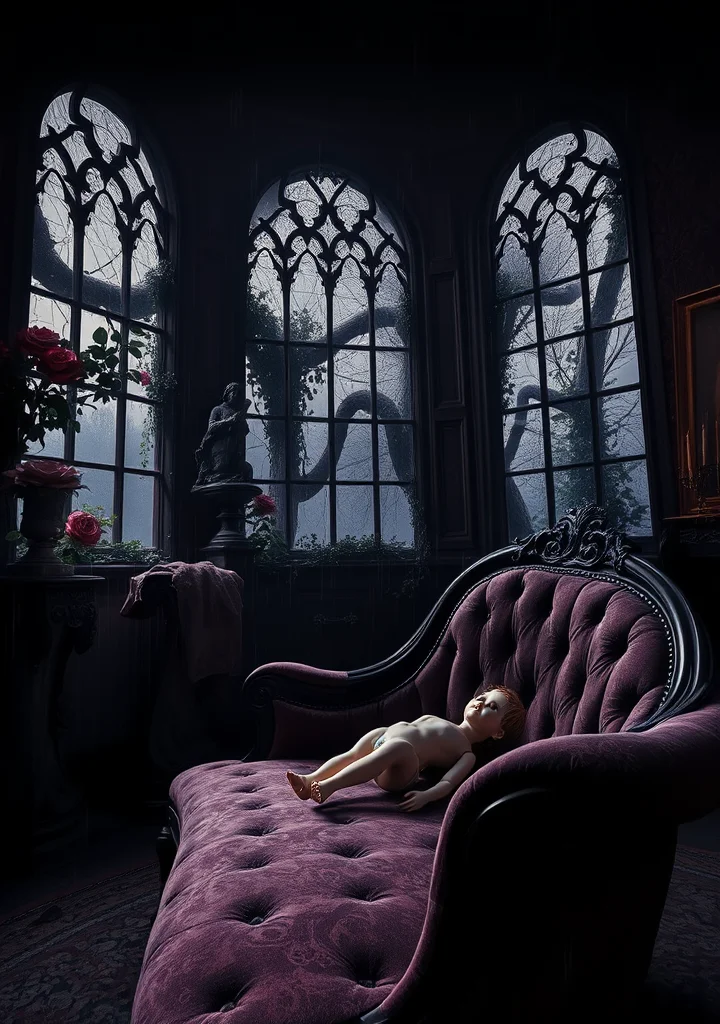
A suffocating stillness clings to the Gabler estate, a mausoleum of inherited wealth and decaying ambition. Within its shadowed parlors, Hedda, a bride newly returned, breathes a discontent that curdles the air. Not a tale of spectral hauntings, but of a hollowness that consumes from within. The scent of withered blooms and unsent letters permeates every room, mirroring the slow rot of Hedda’s spirit. A suffocating marriage, a stifled legacy—these become the bars of her gilded cage. The narrative unfolds as a slow bleed of frustration, a poisonous flowering of cruelty masked by polite society’s veneer. Each conversation, a brittle exchange of veiled threats and unspoken desires. A creeping dread settles with the dusk, fueled by whispered secrets and the echoes of past tragedies. The estate itself becomes a character, its oppressive architecture mirroring Hedda’s constriction, the scent of decay clinging to her every action. The air thickens with the weight of unfulfilled longing, a perverse obsession with control blooming in the shadows of her discontent. A sense of inevitable collapse permeates the story, not through grand catastrophe, but through the quiet, agonizing unraveling of a woman suffocated by expectation, driven to desperate measures within the suffocating confines of her own making. The ending lingers not as a resolution, but as a chilling residue—a cold, elegant despair that seeps into the very foundations of the house and the reader’s soul.
7 Part
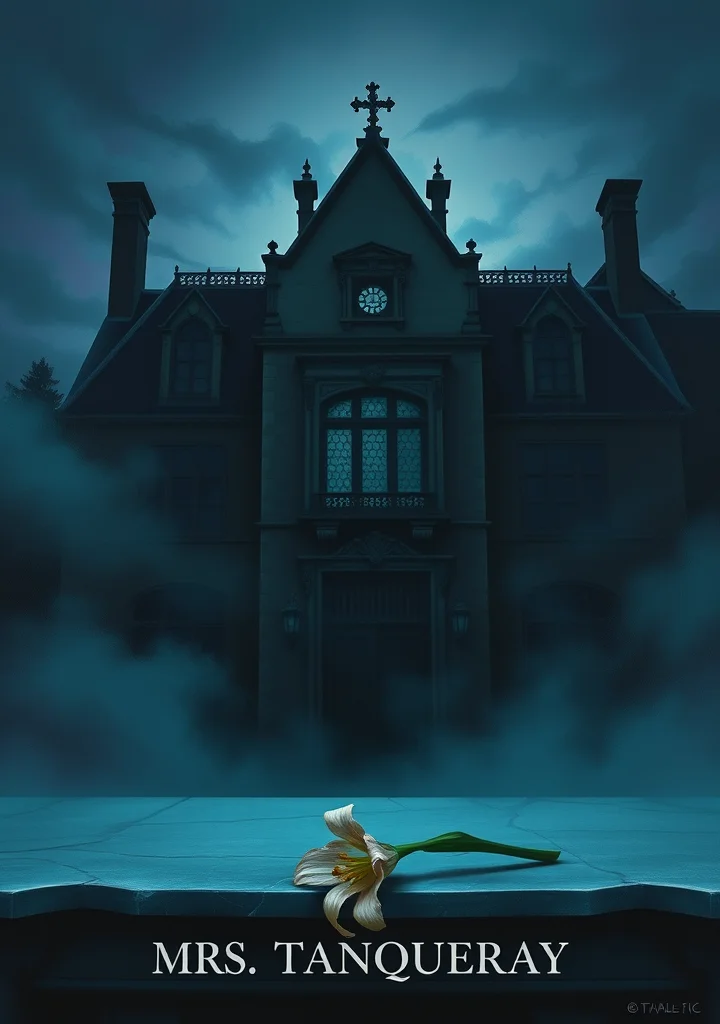
A creeping fog clings to the shadowed corners of London society, mirroring the secrets festering within the Tanqueray household. The air tastes of regret and simmering ambition, thick with the scent of lilies and decaying reputations. Eliza Tanqueray, a woman haunted by whispers of her first husband’s demise and shadowed by a past she cannot outrun, finds herself bound to the stern, judgemental gaze of Sir Robert Tanqueray. His manor, a stone leviathan against the bruised twilight, breathes with the chill of inherited grief and an obsessive need for control. Every polished surface, every precisely arranged bloom, feels less a display of wealth and more a cage built to contain a dangerous, glittering creature. The narrative unravels like a silken noose, tightening with each strained smile and overheard conversation. A feverish unease pervades the drawing rooms, where polite conversation masks a ravenous hunger for social dominance. The second Mrs. Tanqueray is not merely a wife, but a specimen under glass, dissected by the eyes of a society that thrives on speculation and thrives on the slow, exquisite unraveling of a woman’s life. The darkness is not found in the shadows, but in the calculated glint of a man who believes he can purchase redemption through a second, more compliant bride. It is a house of brittle smiles and brittle bones, where every glance is a calculation, and every breath held is a testament to the suffocating weight of expectation.