
Electra
  • 57
  • 0
  • 5
  • Reads 57
  • 0
  • Part 5
Completed, First published Mar 02, 2026

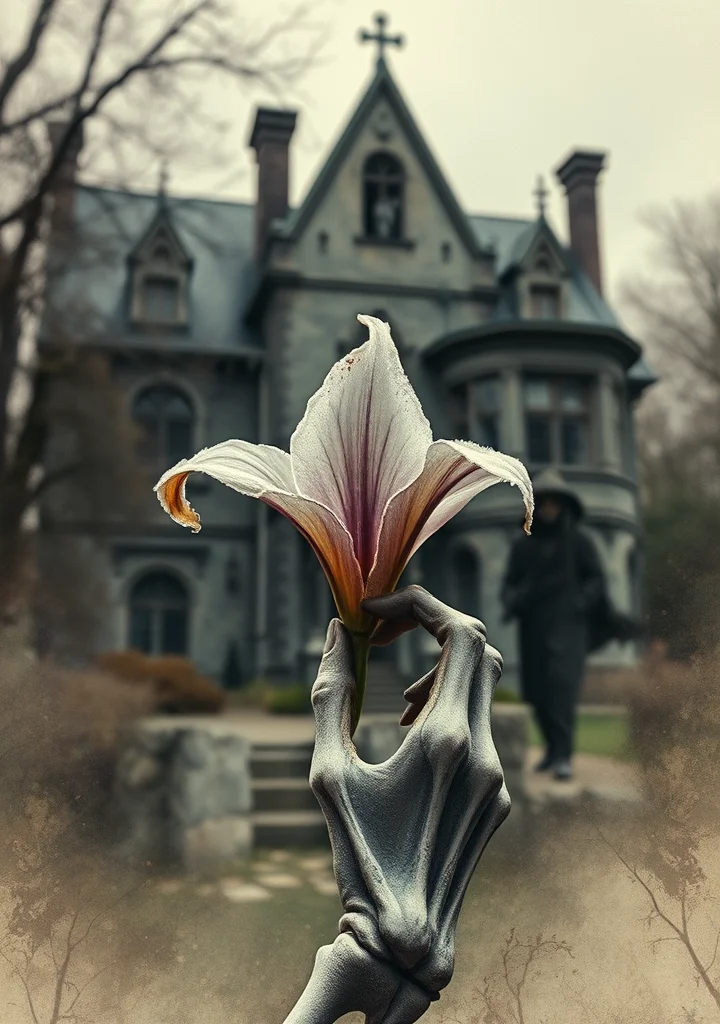
A suffocating dread clings to the stone of Mycenae, a palace haunted by the ghosts of Agamemnon’s rage. Electra’s days bleed into a perpetual twilight of mourning and simmering vengeance, each ritualistic lament a tightening coil around her heart. The air itself tastes of ash and old blood, thick with the whispers of Clytemnestra’s shadowed dominion. Every flickering lamp casts elongated, monstrous shapes against the walls, mirroring the fractured psyche of a daughter consumed by her father’s murder. A creeping, claustrophobic sense of inevitability pervades, fueled by the stifled screams echoing in the labyrinthine corridors. The scent of myrrh and decay mingle with the metallic tang of the coming storm, a storm not of weather, but of retribution. It is a world where shadows dance with complicity, where every glance is a betrayal, and where the weight of ancestral curses crushes the spirit until only the cold, sharp point of revenge remains. The very stones seem to weep with the bitterness of a lineage poisoned by ambition, and Electra’s descent into darkness is as inevitable as the fading of the sun on a blood-soaked battlefield. The silence, broken only by the frantic beat of a captive heart, is a suffocating shroud, promising not release, but the chilling embrace of fate.
Copyright: Public Domain
This license allows anyone to use your story for any purpose, including printing, selling, or adapting it into a film freely.
Recommended for you
6 Part
Dust motes dance in the gaslight of provincial theaters, clinging to the velvet drapes and the tarnished gilt of crumbling grandeur. A fever dream of ambition, *Lost Illusions* unfolds in a Paris steeped in shadow, where the scent of stale perfume mingles with the bitterness of thwarted dreams. The novel breathes with the stifled sighs of Lucien de Rubempré, a provincial editor cast adrift in a sea of cynical brilliance. Every cobbled street echoes with whispered betrayals, every drawing room glitters with the venom of social climbing. The air thickens with the rot of compromised ideals; a suffocating perfume of decaying morality. It’s a city of mirrors, reflecting not truth but the grotesque distortions of power. The narrative clings to you like a damp shroud, revealing a world where talent is bartered for influence, and innocence is devoured by the ravenous maw of the press. The characters move through perpetual twilight, haunted by the ghosts of their own making. Each revelation is a splinter of ice in the heart, each success a further descent into a labyrinth of disillusionment. The prose itself feels aged, brittle as parchment, stained with the ink of regret. It is a slow, insidious unraveling, a descent into the suffocating darkness where hope is extinguished, and only the hollow echoes of ambition remain. The final pages leave a residue of ash and despair, a chilling testament to the price of vanity and the corrosive nature of ambition.
46 Part
A creeping dampness clings to the shadowed corners of Valley of Blue Castles, where Valerian Barclay, a woman withered by years of stifling duty and whispered scorn, discovers a freedom born of bitter defiance. The narrative exhales a melancholic haze, thick with the scent of decaying roses and the murmur of regret. Old Man Barclay’s estate, a crumbling edifice of ancestral pride, looms like a skeletal hand against perpetually bruised skies. The castle itself is less stone and mortar than a cage of expectations, its blue hue mirroring Valerian's own bruised spirit. A slow unraveling of societal constraints bleeds into a strange, almost feverish awakening as Valerian dares to embrace the eccentricities of her world. The forest surrounding the castle breathes with a secret life, teeming with shadowed paths and whispers of forgotten lore. A haunting stillness pervades the narrative, broken only by the creak of ancient timbers and the rustle of unseen things in the shadowed depths of the woods. The air is thick with the weight of unspoken desires and the chilling possibility of a love that blooms only in the wreckage of shattered reputations. Even as Valerian's heart opens to a fragile hope, the specter of her past – and the castle’s own decaying grandeur – casts a long, unforgiving shadow. The novel is steeped in a sense of lonely grandeur, where the echoes of loss resonate through every darkened hall, and even the most vibrant bloom is tinged with the blue of sorrow.
48 Part
A creeping dread clings to Blackwood Manor, a crumbling edifice swallowed by perpetual twilight. Within its shadowed halls, a spectral visitor arrives with the final chime of midnight, unseen, unheard by all save the brittle, aging matriarch, Eleanor. She alone claims to converse with this phantom—a gentleman draped in mourning silks, his face obscured by shadow, his voice a whisper of frost against ancient stone. Is he a lover returned from beyond the grave, a guardian spirit, or something far more sinister drawn to Blackwood’s decaying heart? Each night, Eleanor’s sanity frays further with his chilling visits, fueled by absinthe and the scent of decay. The manor’s portraits seem to watch with hollow eyes, the very timbers groan in protest as the guest’s influence bleeds into the living world. Dust motes dance in the moonlight, revealing fleeting glimpses of his form—a hand reaching for a forgotten locket, a glimpse of a smile that promises oblivion. A suffocating stillness descends with his presence, silencing the house's long-held secrets. The air thickens with the scent of lilies and regret, a suffocating perfume that clings to every surface. He demands not gold or jewels, but memories—fragments of Blackwood’s past, offered up like bloodied roses to appease a hunger that threatens to consume Eleanor, and ultimately, the manor itself. His midnight calls are not invitations to comfort, but a slow, deliberate unraveling of a family's history, woven into a tapestry of grief and shadowed obsession.