
-
Read 429
-
0
-
Part 13
Completed, First published Mar 02, 2026
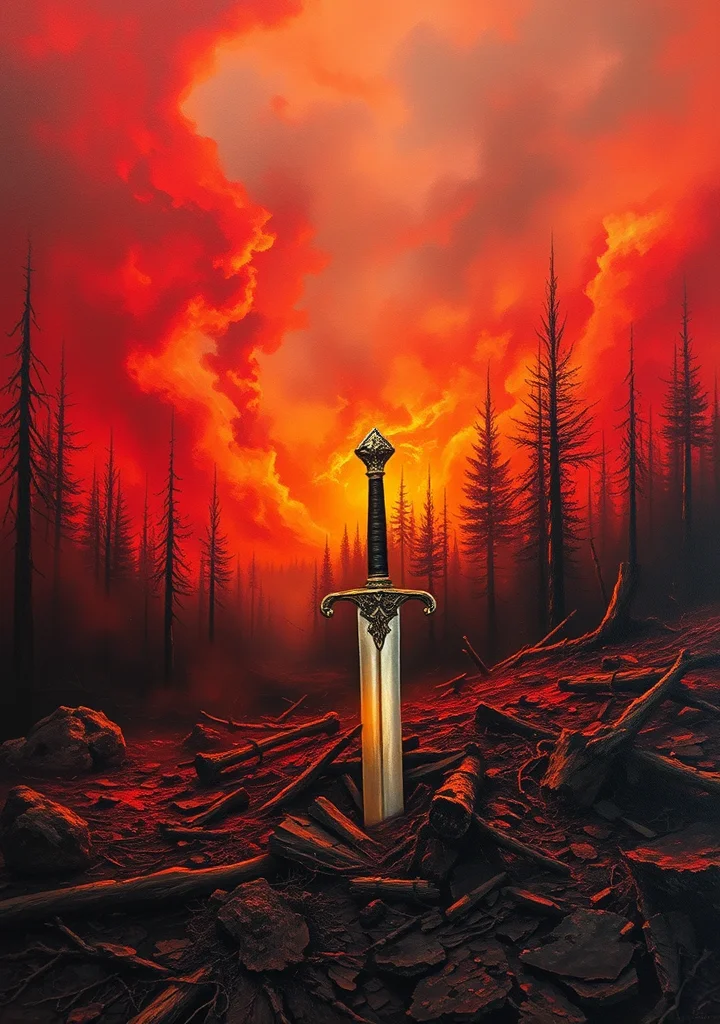
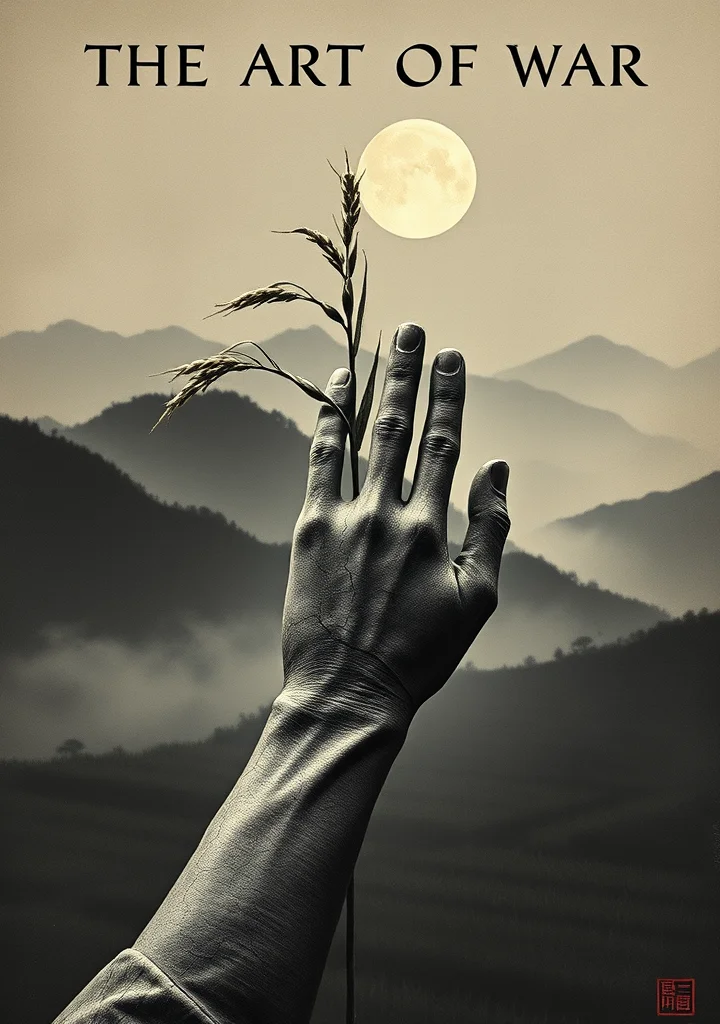
A chill wind whispers through the rice paddies, carrying not just the scent of damp earth but the ghosts of forgotten campaigns. This is a history not of kings, but of shadows – the lean, hungry specter of strategy itself. Each chapter unfolds like a crumbling scroll unearthed from a forgotten tomb, detailing not victories won in sunlit fields, but the slow, deliberate erosion of resolve. The very land feels complicit in the machinations detailed within, a silent, watchful accomplice to the unraveling of empires.
The prose is not flowery, but brittle, like dried bone. It speaks of deception woven into the very fabric of existence, of armies melting into the mist as easily as a lover’s promise. The battlefields are not rendered in gore and glory, but in the suffocating stillness before the strike, the weight of consequence pressed into the hollows of the eyes.
A creeping dread clings to the text, a sense of inevitability that seeps into the reader’s own calculations. It is a darkness not born of malice, but of cold, impartial logic. The scent of incense and blood clings to the pages, the echoes of drums and weeping women carried on the breeze. To read this is to walk among the specters of those who understood that war is not a blaze of glory, but a slow, deliberate extinguishing of light. It is a descent into the heart of strategy, where morality is a weakness and survival, a meticulous, agonizing art.
Copyright: Public Domain
This license allows anyone to use your story for any purpose, including printing, selling, or adapting it into a film freely.
This license allows anyone to use your story for any purpose, including printing, selling, or adapting it into a film freely.
More like this