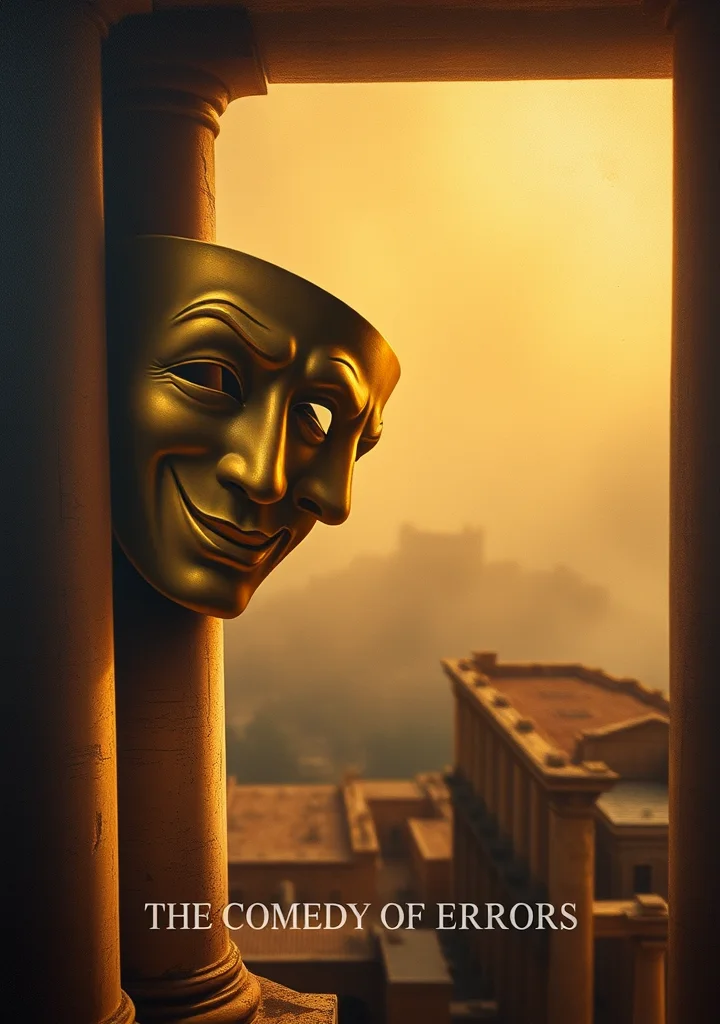

The Comedy of Errors
  • 164
  • 0
  • 19
  • Reads 164
  • 0
  • Part 19
Completed, First published Mar 02, 2026

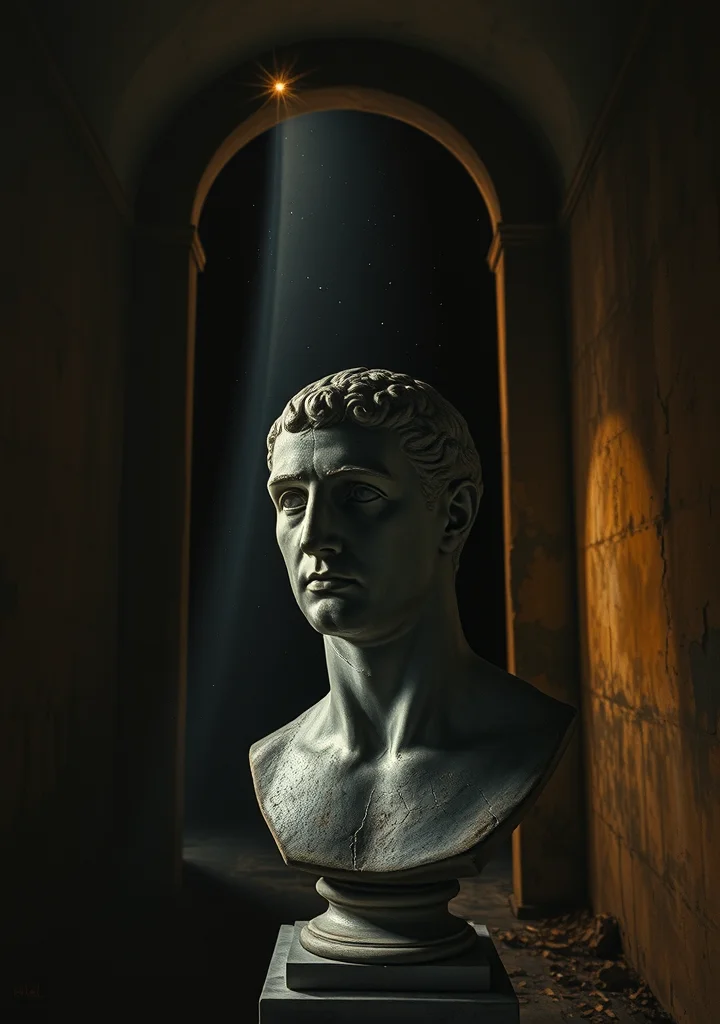
A creeping fog of mistaken identities clings to the sun-drenched streets of Ephesus, mirroring a deeper, more insidious unraveling within the hearts of men. Two sets of twins, severed from their mothers’ wombs and adrift in a sea of coincidence, stumble through a labyrinth of shadowed doorways and echoing marketplaces. Laughter, brittle and laced with desperation, rises from the crumbling facades of ancient homes as each man’s desires—love, recognition, vengeance—are twisted and reflected in the face of his unwitting double. The air itself vibrates with a feverish delirium; a suffocating humidity that breeds confusion and breeds madness. Every glance is a betrayal, every embrace a phantom touch. The very foundations of trust crumble into dust as the lines between reality and illusion blur, dissolving into a suffocating dread. The comedy is not born of merriment, but of a creeping paralysis—a suffocating realization that identity itself is a fragile construct, easily shattered by the cruelest of fates. The shadows lengthen with each errant word, each misdirected plea, until the final, desperate act threatens to consume all within its suffocating embrace. A haunting, spectral mirroring of loss and longing, played out under a sky as bruised and weeping as a forgotten grave.
Copyright: Public Domain
This license allows anyone to use your story for any purpose, including printing, selling, or adapting it into a film freely.
Recommended for you
47 Part
A creeping dread clings to the shadowed halls of Ashworth Manor, where the legacy of Silas Blackwood, a man rumored to have made pacts with something ancient and hungry, festers in the very stones. The air hangs thick with the scent of decay and forgotten sin, mirroring the rot within the Blackwood family itself. A suffocating inheritance binds young Arthur to a lineage steeped in whispered accusations of devilry, and the manor’s sprawling, overgrown grounds seem to pulse with a life both alluring and menacing. Every antique mirror reflects not faces, but fleeting glimpses of something *other*, and the relentless drumming of rain against the leaded windows feels less like weather and more like a desperate plea for release. The novel unravels with a slow, agonizing unraveling of sanity, the narrative choked by claustrophobic interiors and the oppressive weight of a past that refuses to stay buried. A creeping paranoia descends, blurring the line between the living and the dead, as Arthur discovers his inheritance is not merely land and title, but a monstrous legacy etched into his very blood. The narrative unfolds like a fever dream, punctuated by stolen glances at shadowed figures, the scent of damp earth clinging to every breath, and a chilling sense that something malevolent stalks the corridors, always just beyond the periphery of vision. A suffocating dread permeates every page, where the true horror lies not in what is seen, but in what is *felt* - the suffocating presence of a darkness that has waited centuries to claim its due.
22 Part
A creeping dread clings to the crumbling chateau of Sarek, a fortress of shadows etched against the bruised twilight of the Ardennes. Within its suffocating stone embrace, generations have vanished, swallowed by whispers of a lineage cursed by a raven’s prophecy. Leblanc weaves a tale steeped in the scent of decay and the chill of ancestral guilt. The narrative unfolds through fragmented journals and desperate letters, each page stained with the ink of obsession and the dust of forgotten rites. Sarek isn't merely a place, but a contagion—a slow erosion of sanity born from the weight of secrets buried in its peat-blackened foundations. The estate’s sole heir, a man haunted by visions mirroring his ancestors' fates, unravels a history woven from illicit love, blasphemous bargains struck with the forest’s ancient entities, and the agonizing price of immortality. The air itself seems to conspire against the living, thick with the rustle of unseen presences and the echoing cries of those claimed by Sarek’s insatiable hunger. Every room breathes with the ghosts of its past, and the labyrinthine corridors offer not escape, but a deeper descent into the heart of a darkness that predates the chateau’s very stones. The truth, when it finally claws its way to the surface, is less a revelation than a festering wound—a testament to the monstrous legacy bound to Sarek’s soil, and the insidious corruption that blooms in the silence between breaths.