
Witch and Loki
  • 4
  • 0
  • 1
  • Read 4
  • 0
  • Part 1
Ongoing, First published Jun 10, 2026

The narrative traces an unusual dynamic between Loki and a witch, Y/n, as they navigate a world alongside the Avengers. These chapters reveal a playful, often chaotic, relationship built on magical skill and unexpected rapport. Loki’s presence sparks wariness amongst the Avengers, yet Y/n’s confidence in understanding him quickly establishes her as a unique force. The story unfolds through glimpses of Loki adapting to Midgardian life, sharing moments of surprising connection with Y/n, and even undergoing a rather unexpected transformation. These excerpts hint at a lighthearted exploration of power imbalances and contrasting perspectives.
Copyright: All Rights Reserved
No person is allowed to use, redistribute, or modify your work in any form without your explicit permission.
More like this
84 Part
Dust motes dance in the oppressive heat of a Hong Kong summer, mirroring the suffocating stillness of Katherine’s marriage. A gilded cage, woven with silk and silence, holds her fast to Walter, a man whose cold precision dissects affection as readily as a laboratory specimen. But the cholera epidemic is a fever dream of rot and revelation, a landscape of shadowed alleys and whispered fears where Katherine, driven to desperate charity, dons a veil—not of mourning, but of disguise. The air hangs thick with the scent of jasmine and decay as she infiltrates a remote, lawless village, trading her identity for a cure. The deeper she ventures into the heart of the plague, the more Walter’s rigid composure cracks, revealing a man haunted by his own sterile ambition. Each act of kindness, each shared moment under the suffocating weight of the epidemic, peels back layers of their carefully constructed lives. The world bleeds into a bruised palette of ochre and grey, the sun a malevolent eye watching as Katherine navigates a moral labyrinth. The veil becomes not just a shield against contagion, but a mask for a woman shedding her own brittle illusions. It’s a descent into a shadowed intimacy, where love and loathing twist together like the roots of a strangling vine, and the only certainty is the creeping, insidious dread of what—or whom—they’ve left behind. The weight of the silk is a constant reminder: salvation, or a slow, beautiful unraveling.
60 Part
Dust motes dance in the fading light of provincial chateaux, mirroring the slow decay of ambition and the brittle fragility of hope. These letters, unearthed from forgotten bureaux and damp attics, whisper of two women bound by circumstance and the suffocating weight of societal expectation. One, a bride purchased for lineage, haunted by the spectral echoes of a loveless marriage. The other, a bride of convenience, her youth traded for the preservation of a crumbling estate. The narrative unfolds not in grand pronouncements, but in the tremor of a penned word, the bleed of ink mirroring the slow erosion of their spirits. Each missive is a fragment of a fractured life, stained with the bitter residue of betrayal, the chill of isolation, and the gnawing desperation for a love that exists only in the shadowed corners of their dreams. A pervasive melancholy clings to the pages, thick as the fog that shrouds the ancestral homes. The air hangs heavy with the scent of dying roses and the unspoken resentments that fester beneath layers of silk and lace. The landscapes—bleak vineyards, crumbling manors, and the oppressive silence of shadowed forests—become extensions of the women's internal landscapes: barren, desolate, and haunted by the ghosts of promises broken. The letters themselves are not merely communication, but desperate pleas cast into a void, each echoing with the chilling realization that they are trapped within a labyrinth of obligation and despair, their fates inextricably intertwined with the decaying grandeur of a bygone era.
45 Part
A creeping dampness clings to the shadowed corners of Valley of Blue Castles, where Valerian Barclay, a woman withered by years of stifling duty and whispered scorn, discovers a freedom born of bitter defiance. The narrative exhales a melancholic haze, thick with the scent of decaying roses and the murmur of regret. Old Man Barclay’s estate, a crumbling edifice of ancestral pride, looms like a skeletal hand against perpetually bruised skies. The castle itself is less stone and mortar than a cage of expectations, its blue hue mirroring Valerian's own bruised spirit. A slow unraveling of societal constraints bleeds into a strange, almost feverish awakening as Valerian dares to embrace the eccentricities of her world. The forest surrounding the castle breathes with a secret life, teeming with shadowed paths and whispers of forgotten lore. A haunting stillness pervades the narrative, broken only by the creak of ancient timbers and the rustle of unseen things in the shadowed depths of the woods. The air is thick with the weight of unspoken desires and the chilling possibility of a love that blooms only in the wreckage of shattered reputations. Even as Valerian's heart opens to a fragile hope, the specter of her past – and the castle’s own decaying grandeur – casts a long, unforgiving shadow. The novel is steeped in a sense of lonely grandeur, where the echoes of loss resonate through every darkened hall, and even the most vibrant bloom is tinged with the blue of sorrow.
51 Part
A creeping dampness clings to the stone of Norland Park, mirroring the chill that settles upon the hearts of the Dashwood sisters as they are cast adrift by a callous inheritance. The shadows lengthen with each diminishing fortune, twisting the familiar landscapes of Devonshire into a labyrinth of unspoken anxieties. Though outwardly composed, Elinor’s measured restraint barely conceals a grief that blooms like winter roses—pale and thorn-sharp. Marianne’s passions, unrestrained and fever-bright, find echo in the brooding woods and the melancholy sighs of a decaying estate. The air itself is thick with the scent of decaying leaves and unshed tears. Every polite conversation, every carefully worded letter, carries the weight of unacknowledged desires and simmering resentments. A spectral silence hangs between the sisters, broken only by the rustling of secrets in the darkened corridors. The very gardens, once vibrant with summer blooms, now seem haunted by the ghosts of promises broken and futures stolen. A subtle rot pervades the narrative—not of decay in the physical world, but in the very fabric of social grace. The polite smiles mask a desperate hunger for security, a fragile vulnerability masked by lace and propriety. The whispers of scandal, the stifled accusations, weave through the manor houses like tendrils of ivy, threatening to strangle the fragile hopes of these women in a world where sensibility is a weakness, and sense, a carefully constructed fortress against ruin. The fog-laden moors become a mirror for the fractured souls trapped within, their destinies shrouded in an atmospheric gloom that clings long after the final, desperate reckoning.
29 Part
Beneath the opulent grime of the Paris Opera House, a darkness breathes. Not a mere haunting, but a suffocating presence woven into the very stones, the velvet, the gilded dreams of its patrons. A labyrinth of shadowed corridors, echoing with whispers and the scent of decay, conceals a creature born of myth and marred by despair. He is the Phantom, a master of illusion and terror, his face hidden behind a porcelain mask, his touch leaving a chill that lingers long after the music fades. The air is thick with obsession—a fevered devotion to the young soprano, Christine Daaé, stolen from the world and promised to a phantom’s perverse artistry. Her voice, a fragile bloom in the suffocating darkness, becomes both his weapon and his cage. Each performance is a descent into a gothic nightmare, where beauty is measured in stolen glances and fear is the price of adoration. The Opera Populaire is a stage for a tragedy enacted not in notes, but in the slow unraveling of sanity. The Phantom’s domain is not merely a hidden lair, but a corruption of the heart, a reflection of the monstrous desires that lie dormant within us all. The scent of roses mingles with the stench of damp stone, a haunting perfume clinging to the phantom’s legacy as he drags his victims into a suffocating ballet of madness and ruin. The shadows stretch and writhe, mirroring the twisting tunnels beneath the city, and the only escape lies in surrendering to the darkness—or vanishing entirely within its grasp.
34 Part
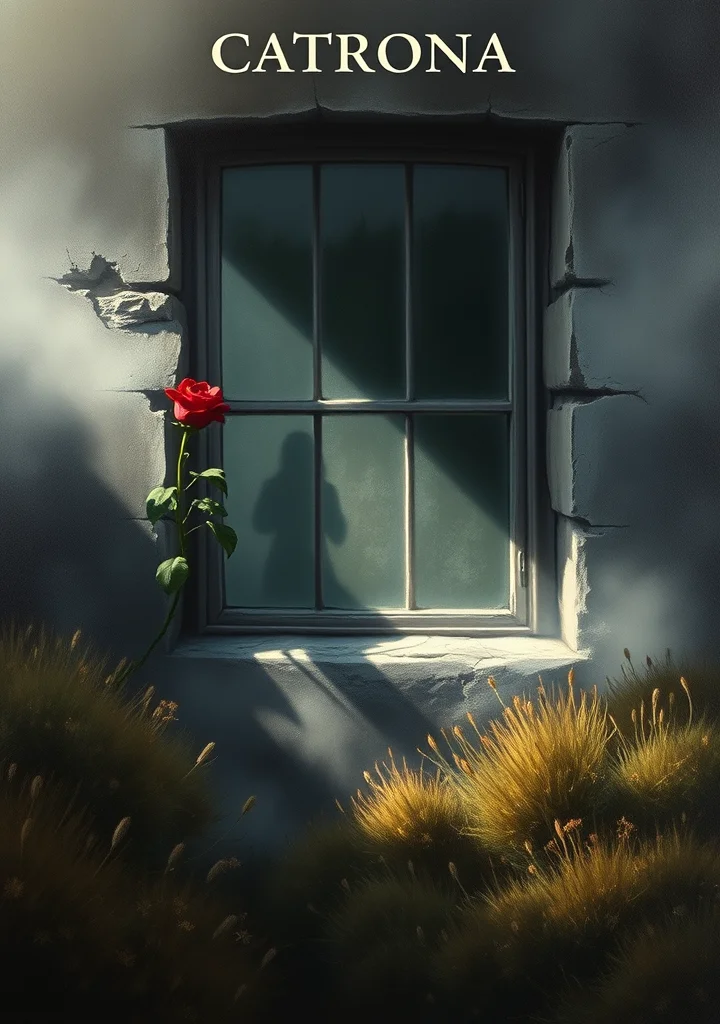
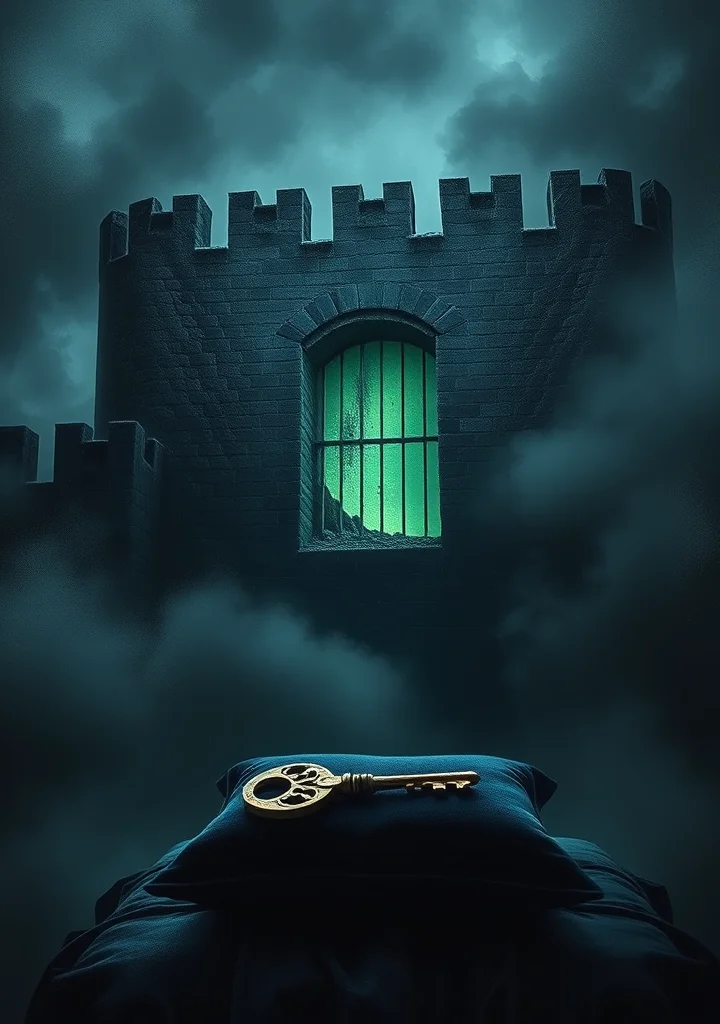
A creeping dread clings to the Scottish Highlands, mirroring the fever-dream delirium of Francis North. Though ostensibly a tale of pursuit and capture following the shadow of *Kidnapped*, *Catriona* descends into a suffocating claustrophobia born not of chains, but of circumstance. The air is thick with the salt-tang of betrayal and the damp rot of ancient grudges. Every stone cottage, every heather-choked glen, seems to whisper with the unseen presence of Allan’s relentless pursuit, a phantom menace woven into the very fabric of the landscape. Catriona’s fragile virtue is a flickering candle in a storm of barbarity, her fate shadowed by the brutal logic of clan feuds and the cold calculation of men who trade in lives like livestock. The narrative unfolds in a perpetual twilight—a world rendered through feverish eyes and the distorted reflections of borrowed light. The castle of Allan’s uncle is a skeletal prison, its walls echoing with the hollow sounds of despair. Confined within its crumbling grandeur, the characters are consumed by a desperate, spiraling paranoia. Every act of kindness is tainted with suspicion, every shadowed corner holds the threat of violence. The story is less a chronicle of escape, and more a slow, suffocating descent into the labyrinthine heart of a world where honor is a forgotten currency and survival demands a complicity with darkness. The scent of peat smoke and blood hangs heavy in the air, clinging to the reader long after the last page is turned.
16 Part
The manor hums with static, a low throb beneath floorboards and within the chipped porcelain dolls that populate its shadowed halls. Old money clings to the Thayer estate like ivy, choking the life from the stone. Our protagonist, a woman named Iris, arrives as the “companion” to the reclusive Mr. Silas Blackwood—a man rumored to have grafted his grief onto the very architecture of the house, weaving it into the electrical wiring that now snakes through every room. But the house *feels*. It breathes with the rhythms of forgotten machines, whispers through copper filaments, and reflects Iris’s own loneliness in the flickering gas lamps. She soon discovers the wiring isn’t merely a means of illumination, but a conduit for Blackwood’s obsessions—a network of surveillance, of control, and of a love so fractured it’s been reassembled into something cold and metallic. The air tastes of ozone and dust. Every creak of the floorboards feels like a watched step. Iris finds herself increasingly drawn to the hidden rooms where Blackwood conducts his experiments—rooms filled with humming devices, spools of wire, and the scent of burnt circuitry. She begins to suspect the manor isn’t protecting Blackwood from the world, but *from* himself, and that Iris, wired into his strange affection, is becoming another layer in his increasingly fragile construction. The further she delves into the house’s heart, the more she realizes this isn’t a love story, but a parasitic entanglement with a man who has made himself a ghost within his own machine.